
 by
by Best Coil Construction
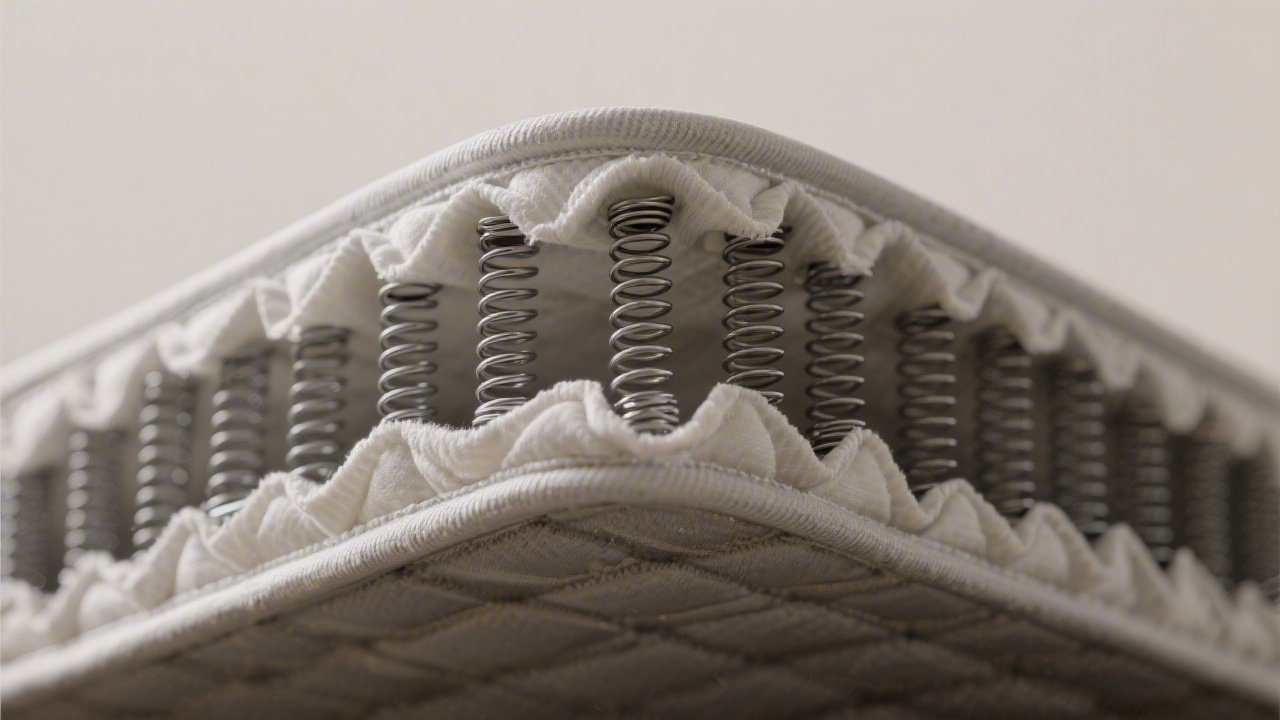
Saatva Classic — Dual Pocketed Coil System
Affiliate disclosure: We may earn a commission at no extra cost to you.
Not all mattresses have springs — this surprises many people who grew up associating "mattress" with the bounce and support of a traditional innerspring. Understanding which mattresses use coils, which do not, and what the differences between coil types mean for your sleep is fundamental to making an informed purchase.
Mattress Types That Have Springs (and Don't)
| Mattress Type | Has Springs? | Support System |
|---|---|---|
| Innerspring | Yes | Coil system only |
| Hybrid | Yes | Coil core + foam/latex layers |
| Memory Foam | No | Layered polyurethane foam |
| Latex | No | Natural or synthetic latex layers |
| Air (e.g. Sleep Number) | No | Air chambers |
| Waterbed | No | Water chambers |
The Four Main Coil Systems
1. Bonnell Coils (Hourglass Coils)
Bonnell coils are the original spring mattress technology, dating to the 19th century. Each coil is an hourglass shape, and all coils are connected to each other by a continuous helical wire. This interconnected design means that pressure on one part of the mattress is felt across the entire surface — poor motion isolation for couples, and uneven support for combined-weight sleepers.
Bonnell coils are found almost exclusively in entry-level mattresses. They are durable and inexpensive to produce, but they represent the lowest performance tier of coil technology. Best for: Guest rooms, very tight budgets.
2. Offset Coils
Offset coils share the same basic hourglass shape as Bonnell coils, but the top and bottom coils are hinged rather than welded. This hinging allows the coil to flex more precisely under load and better conform to body contours. Offset coils still use a connecting wire system, so motion transfer remains higher than pocketed coils. Best for: Mid-range budget with better contouring than Bonnell.
3. Continuous Wire Coils (LFK)
Continuous wire coils (also called LFK from the German "Laskierten Federkern") are made from a single piece of wire bent into S-shaped coils across the entire mattress width. They are extremely durable and resistant to sagging, but the single-wire design creates significant motion transfer. Best for: Durability-focused buyers who sleep alone.
4. Pocketed Coils (Individually Wrapped Coils)
Pocketed coils are the premium standard in modern mattress construction. Each coil is individually wrapped in its own fabric pocket and is not physically connected to adjacent coils. This means each coil responds independently to localized pressure. The benefits are significant:
- Motion isolation — movement on one side does not propagate across the mattress
- Precise contouring — coils respond to your specific body shape rather than an averaged surface pressure
- Zoning capability — manufacturers can use different coil gauges in different zones (firmer under lumbar, softer under shoulders)
- Durability — individual coils can flex thousands of times without the fatigue point created by connecting wire systems
What Coil Gauge Means
Wire gauge refers to the thickness of the steel wire used in each coil. Counterintuitively, lower gauge numbers mean thicker wire: 12-gauge wire is thicker and firmer than 15-gauge. For support coils, 13–15 gauge is standard for most sleepers; 12–13 gauge is preferred for heavier sleepers (over 250 lbs). For micro-coils used in comfort layers (like Saatva's Lumaflex core), 18–20 gauge is typical — thinner because they are designed for contouring, not primary support.
Saatva's Dual Coil System
The Saatva Classic uses two coil layers: a base of individually wrapped 14.5-gauge tempered steel coils, topped with a micro-coil comfort layer (lumaflex). This dual-coil approach is rare in the industry and provides a distinct performance characteristic: the upper micro-coils handle immediate pressure distribution and contouring, while the support coils below provide responsive pushback and spinal alignment. The tempered steel (heat-treated for resilience) resists sagging over years of use better than standard wire.
For a deeper look at how coil construction affects whole-bed performance, see our king mattress buying guide on edge support, and our full mattress comparison.
Frequently Asked Questions
Do all mattresses have springs?
No. Only innerspring and hybrid mattresses have springs. Memory foam, latex, and air mattresses do not use any coil springs. Innerspring mattresses use coils as their primary support system. Hybrid mattresses combine a coil support core with foam or latex comfort layers above.
What is a pocketed coil mattress?
A pocketed coil (also called individually wrapped coil or Marshall coil) mattress uses individual coils each encased in their own fabric pocket. Because each coil responds independently to pressure, pocketed coils provide better motion isolation and more precise pressure relief than coils that are physically connected. They are the premium standard in hybrid mattresses.
How many coils should a mattress have?
Coil count alone is not a reliable quality indicator — coil gauge (thickness) and coil type matter more. A queen mattress with 800 individually wrapped 14-gauge coils performs better than one with 1,200 connected Bonnell coils at lower gauge. Focus on coil type and wire gauge rather than raw count. Premium hybrids typically use 800–1,200 pocketed coils in a queen.
What is the difference between innerspring and hybrid?
An innerspring mattress uses coils as both the support and primary comfort system, typically with only a thin padding layer above. A hybrid adds substantial foam or latex comfort layers (at least 2 inches, often 3–4 inches) over a coil support core. Hybrids provide better pressure relief, motion isolation, and temperature regulation than traditional innersprings.
Do coil mattresses last longer than foam?
High-quality pocketed coil hybrids and dual-coil systems (like Saatva's) typically outlast foam-only mattresses. Tempered steel coils maintain their support profile longer than polyurethane foam, which develops body impressions over time. A quality hybrid from a premium brand should maintain performance for 10–12 years; most foam mattresses begin degrading noticeably at 5–8 years.
Premium Coil Construction
Shop Saatva Classic
Affiliate disclosure: We may earn a commission at no extra cost to you.