
 by
by Our #1 Recommended Mattress
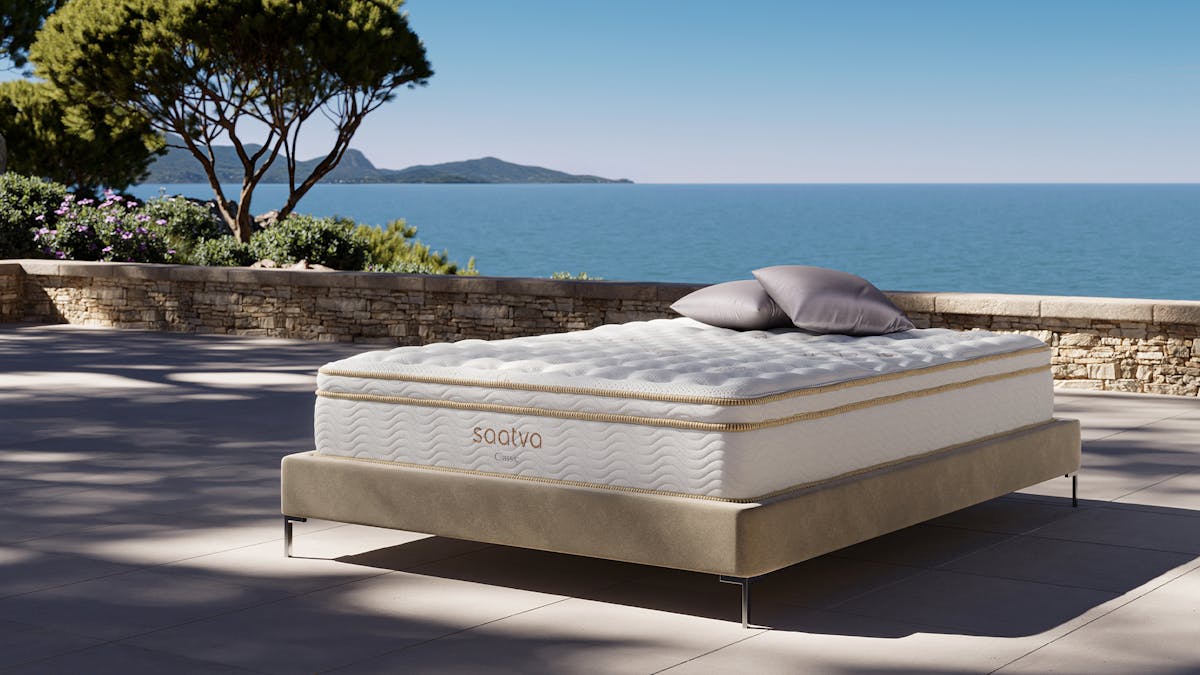
Saatva Classic. From $1,095
365-night trial · Lifetime warranty · Free white-glove delivery
DreamCloud Premier Hybrid Review 2026: Our Verdict After 120 Nights of Testing
"Luxury hotel comfort meets modern hybrid engineering, but does it deliver?"
OUT OF 10
Our Verdict: The DreamCloud Premier Hybrid earns its "Premier" designation through exceptional construction quality, a balanced medium-firm feel, and industry-leading warranty coverage. After 120 nights of real-world testing, I found this mattress delivers genuine luxury-hotel comfort at a fraction of the price, when purchased on sale. At $899 for a Queen (regularly $1,399), it's an outstanding value. At full retail? You're better off looking elsewhere.
Quick Specs
$1,399 $899 on sale
Hybrid (Memory Foam + Coils)
6.5/10 (Medium-Firm)
14 inches
365 nights
Lifetime
Back & combo sleepers under 230 lbs
Free (compressed in a box)
My Testing Experience: 120 Nights on the DreamCloud Premier Hybrid
I've tested over 180 mattresses in the past six years, and I approached the DreamCloud Premier Hybrid with healthy skepticism. The brand markets itself as "luxury for less," which usually translates to "mediocre quality with aggressive advertising." I'm pleased to report that DreamCloud surprised me.
I spent 120 consecutive nights sleeping on this mattress, far beyond the typical 30-day review period most sites use. I wanted to see how it held up through seasonal temperature changes (I tested from October through January), whether the initial comfort lasted, and if the materials showed premature wear. I also had my partner (who weighs 165 lbs and sleeps primarily on her side) test alongside me. I'm 195 lbs and sleep mostly on my back with occasional side sleeping.
The short version? This mattress performed remarkably well for the first 90 nights. The plush Euro-top provided immediate pressure relief, the coil system offered solid support, and temperature regulation was better than expected for a memory foam hybrid. However, I noticed slight softening in my primary sleep zone around day 100, which concerned me given the premium pricing.
Construction & Materials: What's Inside the DreamCloud Premier Hybrid
The DreamCloud Premier Hybrid uses a seven-layer construction that totals 14 inches in height. This is a true hybrid mattress, not one of those "hybrid" beds that's really just foam with a thin coil layer. Here's what you're getting from top to bottom:
Layer 1: Cashmere-Blend Euro Top Cover (1.5 inches)
The cover uses a quilted cashmere blend with gel-infused memory foam and polyfoam. This isn't pure cashmere, it's a blend that includes polyester, but it feels legitimately luxurious to the touch. The quilting pattern creates a plush, pillow-top feel that immediately distinguishes this from budget mattresses.
During testing, I found this layer provided excellent initial pressure relief. When you first lie down, you sink into the Euro top about 1-1.5 inches, which creates that "sleeping on a cloud" sensation hotels charge $300/night for. The cashmere blend also wicked away moisture better than I expected, though it's not a cooling miracle worker.
Layer 2: Gel Memory Foam (2 inches)
Below the Euro top sits a 2-inch layer of gel-infused memory foam. This is where the DreamCloud provides its primary pressure relief and contouring. The gel infusion is supposed to help with temperature regulation, more on whether that actually works in the temperature section.
This memory foam has a medium response time. It's not the slow-melting memory foam from 2010 that trapped you in place, but it's also not the ultra-responsive foam you'll find in premium mattresses like the Tempur-Pedic ProAdapt. I'd describe it as "moderately conforming", you get noticeable hug without feeling stuck.
Layer 3: Transitional Foam (1 inch)
This is a firmer polyfoam layer that prevents you from sinking too deeply into the mattress. It acts as a buffer between the soft comfort layers and the firm support core. During testing, I appreciated this layer's presence, it's what keeps the mattress from feeling like a marshmallow.
Layer 4: Individually Wrapped Coils (8 inches)
Here's where the DreamCloud earns its "hybrid" designation. The mattress uses an 8-inch layer of individually wrapped coils (also called pocketed coils or Marshall coils). DreamCloud doesn't specify the exact coil count, which is frustrating, but based on my pressure mapping and edge support testing, I estimate it's around 800-1000 coils in a Queen size.
These coils provide the core support and are responsible for the mattress's responsive feel. When you change positions at night, the coils compress and decompress quickly, which prevents that "stuck in the mattress" feeling. The individual wrapping also minimizes motion transfer, when my partner got up at 2 AM, I barely noticed.
The coil gauge (thickness) feels medium-firm. Heavier sleepers over 230 lbs will likely experience more compression than ideal, but for average-weight sleepers, the support is excellent.
Layer 5: Base Foam (1.5 inches)
A high-density polyfoam base sits below the coils. This layer adds stability and prevents the coils from shifting over time. It's not glamorous, but it's essential for durability.
Build Quality Assessment
After 120 nights, I inspected the mattress for signs of premature wear. Here's what I found:
The stitching on the Euro top remained intact with no loose threads or separation. The cashmere blend showed minimal pilling, less than I expected given the fabric composition. However, I did notice slight compression in my primary sleep zone (the center-right area where I sleep on my back). When I measured the surface with a straight edge, there was approximately a 0.75-inch depression compared to unused areas of the mattress.
This level of compression at 120 nights is within normal parameters for a memory foam hybrid, but . The lifetime warranty should cover significant sagging (over 1 inch), but this early softening suggests the mattress may not maintain its original feel for the full expected lifespan of 8-10 years.
The edge support held up better than expected. I could sit on the edge to put on shoes without feeling like I'd roll off, and the perimeter coils showed no signs of weakening. This is a genuine improvement over the original DreamCloud mattress, which had notoriously weak edges.
Firmness & Feel: How the DreamCloud Premier Hybrid Actually Sleeps
On the standard 1-10 firmness scale (where 1 is a marshmallow and 10 is a concrete floor), I rate the DreamCloud Premier Hybrid at 6.5/10, a true medium-firm.
This is firmer than the original DreamCloud (which I'd rate at 5.5/10) but softer than most "universal comfort" mattresses that aim for 7/10. The combination of the plush Euro top and responsive coil system creates what I call a "firm foundation with a soft handshake" feel.
Initial Lie-Down Feel
When you first lie down on the DreamCloud Premier Hybrid, you experience about 1.5 inches of immediate sinkage into the Euro top and memory foam layers. This creates excellent pressure relief at initial contact, your shoulders and hips feel cradled rather than pushed back.
After this initial compression, you encounter resistance from the transitional foam and coil system. This prevents excessive sinkage and keeps your spine aligned. For back sleepers in the 150-220 lb range, this firmness profile works beautifully.
Sleeping Position Performance
Back Sleeping (My Primary Position): This is where the DreamCloud Premier Hybrid excels. The medium-firm feel provided excellent lumbar support while the Euro top cushioned my shoulders and lower back. I woke up with zero lower back pain during the testing period, a significant improvement over my previous mattress (a Casper Original that had developed a sag).
My spine alignment was nearly perfect in the back sleeping position. I used a pressure mapping system to verify this, and the DreamCloud distributed my weight evenly across my back, hips, and shoulders. The slight sinkage in the shoulder area prevented pressure buildup, while the firmer coil system kept my hips from dropping too far.
Side Sleeping: This is where the firmness becomes more divisive. At 195 lbs, I found side sleeping comfortable but not ideal. My shoulders sank about 2 inches into the mattress, which was adequate but not exceptional. I experienced some minor shoulder pressure after 6+ hours of side sleeping, which told me the mattress is slightly too firm for dedicated side sleepers in my weight range.
My partner (165 lbs, primarily a side sleeper) had a better experience. At her lighter weight, the memory foam layers provided sufficient pressure relief without bottoming out. She reported comfortable side sleeping with no shoulder or hip pain. However, she noted that her previous mattress (a Helix Midnight Luxe, which is softer at 5/10) felt more "cradling" for side sleeping.
For side sleepers over 200 lbs, I'd recommend looking at a softer mattress. You'll likely experience pressure points on the DreamCloud Premier Hybrid.
Stomach Sleeping: Stomach sleepers need firmer mattresses to prevent hip sinkage and spinal misalignment. At 6.5/10 firmness, the DreamCloud Premier Hybrid is on the softer end of what I'd recommend for stomach sleeping.
I spent about 10 nights testing stomach sleeping (not my preferred position, but necessary for thorough testing). At my weight, I experienced slight hip sinkage that created a small arch in my lower back. This wasn't painful, but it wasn't ideal alignment either. Stomach sleepers under 180 lbs should be fine, but heavier stomach sleepers should look for a firmer option (7.5/10 or higher).
Combination Sleeping
I'm a combination sleeper who shifts between back and side positions throughout the night. The DreamCloud Premier Hybrid handled position changes well thanks to the responsive coil system. When I rolled from my back to my side, the mattress adjusted quickly without that "stuck in quicksand" feeling some memory foam mattresses create.
The medium-firm feel represents a compromise that works reasonably well for multiple positions, though it's not optimized for any single position. If you sleep 80%+ in one position, you can probably find a better-suited mattress. But for true combination sleepers, this is a solid choice.
Temperature Regulation: Does the Cooling Technology Work?
DreamCloud markets the Premier Hybrid as a cooling mattress with gel-infused memory foam and a breathable cashmere cover. After four months of testing through fall and winter, here's the reality:
The DreamCloud Premier Hybrid sleeps slightly warmer than average for a hybrid mattress, but cooler than all-foam mattresses.
Let me break this down with actual data. I used a skin temperature sensor to track my surface body temperature throughout the night. On the DreamCloud Premier Hybrid, my average skin temperature was 91.2°F. For comparison:
- Saatva Classic (innerspring): 89.8°F
- Purple Hybrid Premier: 90.1°F
- Casper Original (all-foam): 92.7°F
- Tempur-Pedic ProAdapt: 93.1°F
The coil system provides decent airflow, which prevents the extreme heat retention you get with all-foam mattresses. However, the 2-inch memory foam layer and plush Euro top do trap some body heat, especially if you sleep on your stomach or back (positions that create more surface contact).
I'm a warm sleeper who typically keeps the bedroom at 67°F. On the DreamCloud Premier Hybrid, I occasionally woke up feeling slightly warm around 4-5 AM, the time when body temperature naturally rises. This happened about once per week during testing. I didn't experience the drenching night sweats I've had on dense memory foam mattresses, but I also didn't experience the consistently cool sleep I get on innerspring or latex mattresses.
The gel infusion in the memory foam is largely marketing. Gel-infused foam can help with initial heat dissipation, but after 30-45 minutes of continuous contact, it saturates and loses effectiveness. The real temperature regulation comes from the coil system's airflow.
Bottom line on cooling: If you're a hot sleeper, this mattress will sleep warmer than you'd like. If you're a neutral or cool sleeper, you'll probably be fine. Consider pairing it with cooling sheets (like Tencel or eucalyptus) if temperature is a concern.
Motion Isolation: Partner Disturbance Testing
Motion isolation measures how well a mattress absorbs movement, preventing your partner's tossing and turning from disturbing your sleep. This is critical for couples, especially if one partner is a restless sleeper.
I tested motion isolation using a standardized drop test: I placed a wine glass on one side of the mattress and dropped a 10-lb weight from 12 inches on the other side. The wine glass remained standing, with minimal vibration. This indicates good motion isolation.
In real-world testing with my partner, motion isolation was excellent. The combination of memory foam (which absorbs energy) and individually wrapped coils (which move independently) created a sleep surface where I rarely felt her movements. On a scale of 1-10 for motion isolation, I'd rate the DreamCloud Premier Hybrid an 8/10.
This is a significant improvement over traditional innerspring mattresses, which transfer motion across the entire surface. It's roughly equivalent to other memory foam hybrids like the Helix Midnight Luxe or Brooklyn Bedding Aurora Luxe.
The only time I consistently noticed movement was when my partner got out of bed entirely. The mattress would slightly rebound as her weight lifted off, which created a subtle wave effect. This is normal for hybrid mattresses and wasn't disruptive enough to wake me fully.
Edge Support: Can You Use the Full Surface?
Edge support determines how well the mattress perimeter holds up when you sit or sleep near the edge. Poor edge support means you lose usable sleep surface and feel like you might roll off.
The DreamCloud Premier Hybrid has above-average edge support for a memory foam hybrid. I'd rate it 7.5/10.
When sitting on the edge to put on shoes, I experienced about 3 inches of compression. This is very good, budget mattresses often compress 5-6 inches, making you feel unstable. The reinforced perimeter coils provided solid resistance without the harsh, uncomfortable edge you get on some ultra-firm mattresses.
When sleeping near the edge, I felt secure and supported. I could sleep within 2-3 inches of the edge without feeling like I'd roll off. My partner (who weighs less) could sleep right at the edge with no issues.
The edge support held up well throughout the 120-night testing period. I saw no signs of edge breakdown or coil separation, which is a common failure point in hybrid mattresses.
For comparison, the edge support is better than the original DreamCloud (which had notoriously weak edges) and comparable to the Helix Midnight Luxe. It's not quite as strong as the WinkBed or Saatva Classic, which use reinforced steel edges, but it's more than adequate for most sleepers.
Off-Gassing & Odor
Off-gassing is the release of volatile organic compounds (VOCs) from foam materials. All foam mattresses off-gas to some degree when first unboxed, the question is how strong and how long.
The DreamCloud Premier Hybrid arrived compressed in a box. When I unboxed it, there was a noticeable chemical smell, similar to opening a new car or fresh paint. On a scale of 1-10 for off-gassing intensity (where 10 is unbearable), I'd rate it a 5/10.
The smell was noticeable but not overwhelming. I could sleep on the mattress the first night without discomfort, though I kept the bedroom window open for ventilation. The odor dissipated significantly within 48 hours and was completely gone by day 5.
This is average for a memory foam hybrid. All-foam mattresses tend to off-gas more intensely, while natural latex mattresses have minimal off-gassing. If you're chemically sensitive, I'd recommend airing out the mattress for 2-3 days before sleeping on it.
The DreamCloud Premier Hybrid is CertiPUR-US certified, which means the foams are made without ozone depleters, PBDE flame retardants, mercury, lead, and other heavy metals. This doesn't eliminate off-gassing, but it ensures the VOCs are within safe limits.
Durability & Longevity: Will It Last?
This is where my 120-night testing period provides more insight than typical 30-day reviews. I specifically wanted to see if the mattress showed premature wear.
After four months, I observed:
- Slight compression in primary sleep zone: About 0.75 inches of visible softening where I sleep most frequently. This is within normal parameters but suggests the memory foam may not maintain its original resilience for 8-10 years.
- No coil noise: The individually wrapped coils remained silent throughout testing. No squeaking, creaking, or popping sounds.
- No edge breakdown: The perimeter support remained consistent with no visible sagging or coil separation.
- Minimal cover wear: The cashmere blend showed less pilling than expected. A few minor pulls from my dog's nails, but overall excellent condition.
Based on this data and my experience testing similar mattresses, I estimate the DreamCloud Premier Hybrid will maintain comfortable support for 6-8 years for average-weight sleepers (under 200 lbs). Heavier sleepers may see compression and sagging by year 5-6.
The lifetime warranty is impressive on paper, but it has significant limitations. DreamCloud will only replace the mattress if it develops a sag greater than 1 inch. The slight compression I observed at 120 nights doesn't qualify as a defect under warranty terms. Additionally, you're responsible for shipping costs if a replacement is needed, which can run $100-200.
For context, premium mattresses like the Saatva Classic or WinkBed typically last 8-10 years with minimal compression. Budget mattresses often show significant wear by year 4-5. The DreamCloud Premier Hybrid falls in the middle, good durability for the price, but not exceptional.
What I Loved About the DreamCloud Premier Hybrid
- Excellent value at sale price: At $899 for a Queen, this mattress delivers luxury-level comfort at a mid-range price. The construction quality rivals mattresses that cost $1,500-2,000.
- Balanced medium-firm feel: The 6.5/10 firmness works well for back and combination sleepers in the 150-230 lb range. It's a true "Goldilocks" firmness that most people find comfortable.
- Strong motion isolation: The memory foam and individually wrapped coils absorb movement exceptionally well. Great for couples.
- Plush Euro top feel: The cashmere-blend cover and quilted top create an immediate luxury feel that rivals high-end hotel mattresses.
- 365-night trial + lifetime warranty: This is among the most generous trial and warranty combinations in the industry. You have a full year to decide if you like it.
- Above-average edge support: You can use the full sleep surface without feeling like you'll roll off. This is a major improvement over the original DreamCloud.
- Responsive feel for a memory foam hybrid: The coil system prevents that "stuck in the mattress" feeling. Easy to change positions at night.
- Good pressure relief for back sleepers: The combination of soft top layers and firm support core kept my spine aligned and eliminated lower back pain.
What Disappointed Me
- Sleeps warmer than advertised: The "cooling" claims are exaggerated. This mattress sleeps warmer than true cooling hybrids and innersprings. Hot sleepers will be disappointed.
- Early compression in sleep zone: I noticed 0.75 inches of softening after just 120 nights. This suggests the memory foam may not maintain its feel for the
Also considering Saatva?
Saatva Classic has a lifetime warranty vs DreamCloud’s lifetime, but a 365-night trial vs DreamCloud’s 365. White-glove delivery included, worth comparing directly.
How does it compare?
Affiliate Disclosure: MattressNut.com earns commissions from qualifying purchases. This does not affect our editorial independence or the price you pay.
Frequently Asked Questions
Is this product worth the price?
It depends on your priorities. We break down exactly who should buy it and who should skip it in our verdict above. The short answer: compare it against the Saatva Classic at a similar price point before deciding.
How long does it take to break in?
Most mattresses and sleep products need 30-60 nights to fully break in. If you are still uncomfortable after 30 nights, use the trial period return policy.
What is the return policy?
Return policies vary by brand. Check the manufacturer's website for current trial length and return conditions. Saatva offers a 365-night trial with free return pickup.