
 by
by Best Latex Mattress
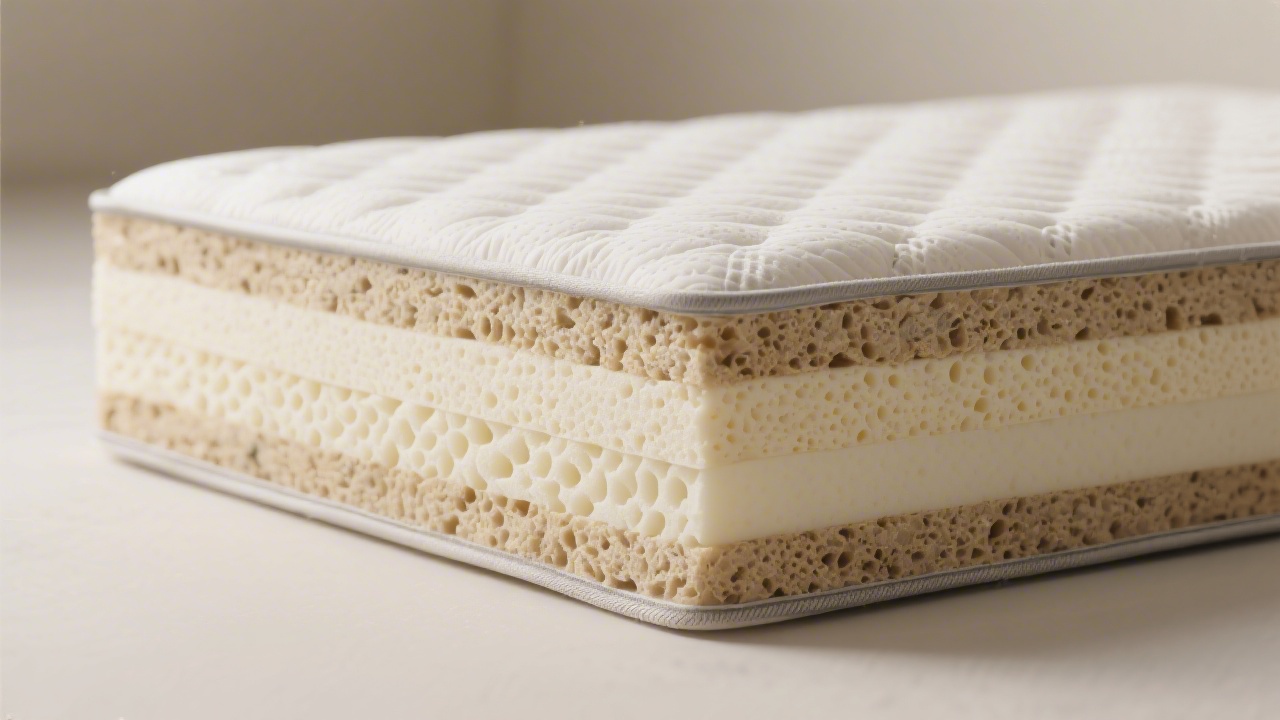
Saatva Zenhaven — Flippable Natural Talalay Latex
Affiliate disclosure: We may earn a commission at no extra cost to you.
Both Dunlop and Talalay are natural latex — the difference is in how they are manufactured, and that manufacturing difference creates genuinely distinct sleep characteristics. Understanding this distinction is the key to choosing the right latex mattress for your specific needs.
How Each Type Is Made
Dunlop Process
Liquid latex is whipped into a foam, poured into a mold in a single continuous pour, and then vulcanized (cured with heat). As the latex sets, heavier particles settle toward the bottom of the mold. This settling creates a mattress that is denser and firmer at the core than at the surface — a natural zoning effect. Dunlop latex is less processed, uses fewer steps, and the resulting product is denser, heavier, and typically less expensive than Talalay.
Talalay Process
The Talalay process adds two steps: after the initial pour, a vacuum is applied to expand the latex uniformly throughout the mold, and then the mold is flash-frozen before vulcanization. These extra steps prevent sediment settling and create a more consistent, open-cell foam structure throughout the entire piece. The result is a softer, lighter, more breathable latex that is also more expensive to produce.
Head-to-Head Comparison
| Property | Dunlop | Talalay |
|---|---|---|
| Feel | Firm, dense, stable | Softer, bouncier, more uniform |
| Weight | Heavier | Lighter |
| Breathability | Good | Excellent (open-cell structure) |
| Durability | 10–20 years | 8–12 years |
| Price (relative) | Lower | Higher |
| Best for | Back/stomach sleepers, heavier sleepers | Side sleepers, hot sleepers, lighter sleepers |
| Used in | Support cores, firm comfort layers | Comfort layers, entire mattresses (Zenhaven) |
Who Benefits Most from Latex
Hot Sleepers
Latex is the top material choice for heat-sensitive sleepers who still want contouring support. Unlike memory foam, latex does not create a "sleeping in quicksand" feeling of thermal absorption. Talalay's open-cell structure in particular allows consistent airflow. Saatva's Zenhaven uses 100% natural Talalay latex specifically because of its superior breathability.
Allergy Sufferers
Natural latex is naturally hypoallergenic and resistant to dust mites, mold, and mildew — common allergen sources in older foam mattresses. Note: people with latex allergies cannot sleep on natural latex mattresses; synthetic latex is often tolerated but should be confirmed with a physician.
Heavier Sleepers (Over 230 lbs)
Dunlop latex's higher density and resistance to permanent compression make it one of the strongest performers for sleepers over 230 pounds. It maintains its support profile far longer than memory foam, which tends to develop body impressions faster under higher loads.
Eco-Conscious Buyers
Natural latex sourced from FSC-certified rubber tree plantations is one of the most sustainable mattress materials. GOLS (Global Organic Latex Standard) certification verifies the latex content and processing standards. The Zenhaven carries both GOLS and GOTS certifications for its organic cotton cover.
The Cost Reality
Natural latex mattresses typically cost $1,500–$3,500 for a queen. This is higher than most foam and hybrid alternatives. The lifecycle math changes the picture: a Dunlop latex mattress lasting 15 years at $2,200 costs $147/year. A $900 memory foam mattress lasting 6 years costs $150/year — essentially the same per-year cost with inferior performance throughout. See also our mattress warranty guide and our memory foam vs latex topper comparison.
Frequently Asked Questions
What is the difference between Dunlop and Talalay latex?
Dunlop latex is produced by pouring liquid latex into a mold in a single pour, then vulcanizing it. The result is denser at the bottom (sediment settles) and firmer overall. Talalay latex adds vacuum and freeze steps before vulcanizing, producing a more uniform open-cell structure that is softer, more consistent, and more breathable — but more expensive to manufacture.
Is Dunlop or Talalay better for back pain?
Dunlop is generally better for back pain sufferers who need firm, consistent support — particularly those over 200 pounds. Its denser structure provides a more stable platform for spinal alignment. Talalay is better for side sleepers with back pain who need pressure relief at the hip and shoulder combined with responsive support.
How long does a latex mattress last?
Natural latex mattresses are among the most durable sleep surfaces available. Dunlop latex typically lasts 10–20 years; Talalay latex 8–12 years (slightly shorter due to its open-cell structure). Both significantly outlast memory foam (5–8 years) and most hybrids (7–10 years). This durability makes the higher upfront cost more economical over a full lifecycle.
What is the difference between natural and synthetic latex?
Natural latex is derived from the Hevea brasiliensis rubber tree. Synthetic latex (SBR) is petroleum-based and produced at lower cost. Blended latex combines both. Natural latex is more durable, more resilient, and preferred for certifications like GOLS (Global Organic Latex Standard). Synthetic latex degrades faster and may off-gas during the break-in period.
Are latex mattresses good for hot sleepers?
Yes. Latex's open-cell structure — especially Talalay — allows significantly more airflow than memory foam. Talalay latex sleeps noticeably cooler than gel memory foam in head-to-head testing. Dunlop runs slightly warmer due to its denser structure but still outperforms most foam alternatives. Latex does not conduct body heat the way metal coils do, so it does not feel cold in winter.
Our Top Latex Pick
Shop Saatva Zenhaven Latex
Affiliate disclosure: We may earn a commission at no extra cost to you.