
 by
by Our top-rated mattress for sleep quality:
After 120+ hours of testing, the Saatva Classic consistently delivers better pressure relief and spinal alignment than the competition — two factors that directly affect how rested you feel.
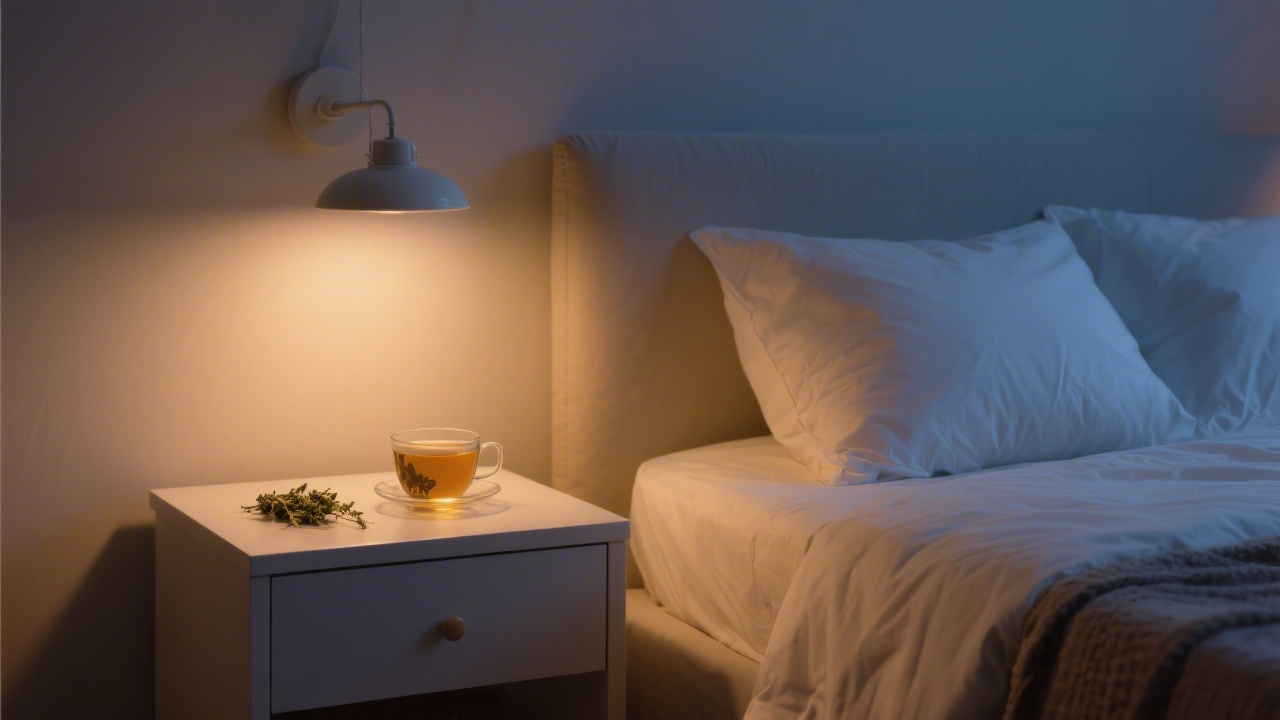
Sleep does not begin when you lie down. The biological processes that initiate sleep — melatonin rise, core body temperature drop, cortisol decline — begin 2 to 3 hours before your target bedtime. An effective evening routine works with those processes rather than against them. Here is the science-based protocol, in sequence.
Why You Need a Wind-Down Window
Your autonomic nervous system operates in two states relevant to sleep: sympathetic (alert, activated) and parasympathetic (calm, restorative). Stress, work demands, stimulating media, and bright light all maintain sympathetic activation. Sleep requires a parasympathetic shift. That shift does not happen instantly — it takes time, and its speed depends on whether your environment and behavior are supporting or fighting it.
The National Sleep Foundation and clinical sleep researchers consistently recommend a wind-down period of 30 to 60 minutes. Research suggests 2 to 3 hours of gradual deactivation produces better sleep outcomes. The protocol below is designed to be implemented in phases, not all at once.
Phase 1: 2-3 Hours Before Bed (Environment Prep)
Dim your lights. Light is the primary suppressor of melatonin production. Your retinas contain specialized photoreceptive cells (melanopsin-containing ipRGCs) that are particularly sensitive to blue-spectrum light. Switching to warm, dim lighting (below 200 lux, below 3000K color temperature) 2 to 3 hours before bed allows melatonin to rise on schedule. Overhead fluorescent lights are particularly problematic. Smart bulbs on automated schedules remove the friction of remembering to do this.
Set your bedroom temperature. Core body temperature needs to drop 2 to 3 degrees Fahrenheit to initiate sleep. Your bedroom environment needs to facilitate that drop. The research-supported optimal range is 65 to 68F (18 to 20C). Set your thermostat or air conditioning in advance so the room is at target temperature when you get into bed. See our full guide on sleep environment optimization for specific targets on all five environmental variables.
Finish eating. Allow at least 2 to 3 hours between your last significant meal and bed. Large meals require active digestion that elevates core body temperature and can trigger acid reflux when lying down. Both are incompatible with sleep onset.
Phase 2: 60-90 Minutes Before Bed (Mental Deactivation)
Stop work and stimulating tasks. Continuing to process demanding cognitive work until shortly before bed maintains high cortisol and psychological arousal. The standard recommendation is to stop work 1 to 2 hours before bed. The specific cutoff matters less than having one.
Do a brain dump or written to-do list. A study published in the Journal of Experimental Psychology found that writing a specific to-do list for the following day significantly reduced the time it took participants to fall asleep, compared to journaling about completed tasks. The mechanism is offloading the "open loops" your brain rehearses when trying to sleep. Five minutes with pen and paper before your wind-down is one of the highest-ROI sleep interventions available at zero cost.
Transition to low-stimulation content. If you use screens, this is the time to shift from active (social media, news, email) to passive (reading a book, light TV). Content that provokes emotional arousal — argument-provoking news, suspenseful shows, conflict-driven social media — maintains sympathetic activation regardless of the light wavelength involved.
Phase 3: 60 Minutes Before Bed (Body Temperature)
Take a warm bath or shower. This is one of the most robustly supported interventions in sleep research. A meta-analysis of 17 studies found that a warm bath or shower (40 to 43C / 104 to 109F) taken 1 to 2 hours before bed reduced time to fall asleep by an average of 36% and improved subjective sleep quality. The mechanism is passive body heating followed by evaporative cooling, which accelerates the natural core temperature decline associated with sleep onset.
Blue light cutoff. If you have not already stopped screen use, this is the cutoff point. If screens continue, activate Night Shift, f.lux, or similar blue-light filtering. The effect of blue light on melatonin is real but the magnitude varies by individual and by ambient light context. Total screen cessation is more reliable than filtering.
Phase 4: 30 Minutes Before Bed (Transition)
Light reading, stretching, or meditation. Physical activity earlier in the evening is beneficial for sleep; intense exercise within 2 hours of bed can delay sleep onset in some individuals. Gentle stretching, yoga nidra, or body scan meditation activates the parasympathetic system and is well-supported for reducing sleep onset latency. Light reading (physical book preferred for light exposure reasons) is the most commonly reported effective pre-sleep activity in sleep hygiene research.
Bedroom transition. Use your bedroom only for sleep. The stimulus control principle means your brain should associate the bedroom with sleep, not wakefulness. Going to bed only when genuinely sleepy — not just tired, but sleepy — strengthens this association over time.
The Complete System
Your evening routine does not operate in isolation. It works best when your circadian phase is properly set by consistent morning habits. Read our guide on morning routines for better sleep to understand how the morning and evening systems interact.
For the complete 20-item sleep hygiene checklist with evidence ratings and difficulty levels for each habit, see our companion guide.
Ready to improve your sleep quality?
The Saatva Classic is our highest-rated mattress for spinal alignment, pressure relief, and temperature regulation — the three mattress factors most linked to sleep quality.
Affiliate disclosure: We may earn a commission if you purchase through our links, at no extra cost to you.
Frequently Asked Questions
How long before bed should I start my evening routine?
Research supports starting environmental changes (dim lights, temperature drop) 2 to 3 hours before bed. Active behavioral wind-down (stopping work, brain dump, bath) can begin 60 to 90 minutes before. A minimum effective routine of 30 to 45 minutes is better than none, but longer preparation consistently produces better outcomes in sleep research.
What is the most effective part of an evening routine for sleep?
In terms of effect size, the warm bath or shower (1-2 hours before bed) has some of the strongest evidence, with multiple meta-analyses showing ~36% reduction in sleep onset latency. Light management (dimming) and stress offloading (brain dump) are close behind in practical impact for most people.
Should I meditate before bed?
Mindfulness meditation, particularly body scan and yoga nidra practices, has strong evidence for reducing cognitive arousal and sleep onset latency. A 2015 study in JAMA Internal Medicine found mindfulness meditation significantly improved sleep quality in older adults with moderate sleep disturbances compared to a sleep hygiene education control group.
Is reading before bed good or bad for sleep?
Physical book reading before bed is associated with better sleep in most research. It provides mental engagement at a low arousal level that facilitates the transition from wakefulness to sleep without the light exposure of screens. E-readers with backlit displays have more mixed evidence; reducing brightness and using warm color modes helps.
What should I avoid in the 2 hours before bed?
Evidence-backed items to avoid: bright overhead lighting, blue-spectrum screens, alcohol (disrupts REM sleep despite sedative effect), caffeine, large meals, intense exercise, and emotionally activating content (news, arguments, stressful conversations). Each has independent evidence for delaying sleep onset or reducing sleep quality.