
 by
by Fibromyalgia Sleepers Need Pressure Relief and Alignment
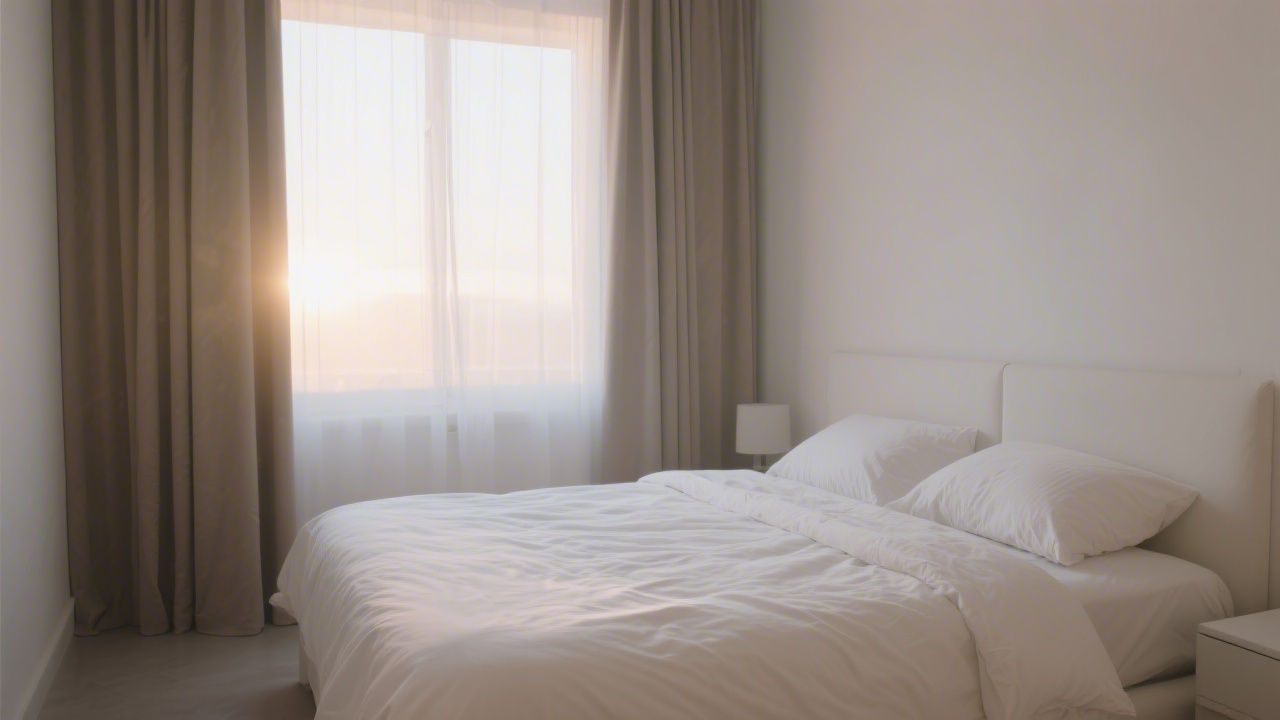
The Saatva Classic's Euro pillow top and zoned lumbar support reduce the pressure-point trigger points that disrupt fibromyalgia sleep.
Fibromyalgia is one of the conditions most profoundly affected by sleep quality — and most profoundly affecting it. Over 90% of fibromyalgia patients report non-restorative sleep, waking unrefreshed despite adequate time in bed. This is not simply a symptom: disturbed sleep is now understood as a core pathophysiological mechanism in fibromyalgia, not a secondary complaint. These tips address the specific sleep disruptions of fibromyalgia based on current research.
Understanding Fibromyalgia Sleep Disruption
Alpha-Delta Sleep Anomaly
The defining sleep abnormality in fibromyalgia is alpha-delta sleep: alpha-frequency EEG activity (associated with wakefulness) intrudes into delta-frequency slow-wave sleep. First described by Moldofsky in 1975, this anomaly means fibromyalgia patients spend time in a neurological "hybrid" state — technically asleep but without the restorative properties of true deep sleep. Experimentally inducing alpha-delta sleep in healthy subjects produces fibromyalgia-like pain and fatigue within days, establishing the causal relationship.
Restless Legs Syndrome and Periodic Limb Movements
Fibromyalgia has a high comorbidity with restless legs syndrome (RLS, approximately 30-35%) and periodic limb movements of sleep (PLMS). These disrupt sleep architecture independently of pain, and their treatment — which may include dopamine agonists, iron supplementation if ferritin is low, or gabapentin — should be part of the fibromyalgia sleep management plan.
Pain-Driven Micro-Arousals
Widespread tenderness means that any sustained pressure — from a firm mattress, a pillow placing a joint in torsion, or a partner's movement — triggers a pain signal that pulls the brain toward wakefulness. Fibromyalgia patients average significantly more position changes per night than controls, each of which fragments sleep continuity.
Evidence-Based Sleep Tips for Fibromyalgia
1. Treat Sleep as Medicine, Not Comfort
Sleep optimization in fibromyalgia should be approached with the same rigor as medication management. Maintain a consistent sleep-wake schedule seven days per week — the single most evidence-supported behavioral intervention. Irregular sleep timing disrupts circadian rhythm, worsens alpha-delta intrusion, and raises pain sensitivity the following day.
2. Optimize Room Temperature
Fibromyalgia patients show thermoregulatory dysfunction — a reduced ability to dissipate body heat and abnormal skin temperature patterns. A room temperature of 65-67°F (18-19°C) and a mattress that does not trap heat (innerspring-hybrid rather than dense foam) significantly improve sleep continuity in this population.
3. Strategic Pillow Placement
Side sleeping with fibromyalgia requires: a pillow between the knees to maintain hip alignment (prevents iliotibia band and trochanteric bursa pressure); a firm pillow under the head to keep the cervical spine neutral; and potentially a body pillow for anterior support. Back sleepers benefit from a pillow under the knees to reduce lumbar extension. These modifications reduce the frequency of painful positional triggers that cause micro-arousals.
4. CBT-I Adapted for Fibromyalgia
Standard CBT-I requires adaptation for fibromyalgia: sleep restriction therapy — a core CBT-I component — must be implemented more gradually in fibromyalgia due to the risk of exacerbating pain with acute sleep deprivation. A modified protocol extending the restriction phase over 6-8 weeks (rather than 2-3) shows equivalent efficacy with fewer pain flares. Pain neuroscience education integrated into CBT-I improves outcomes versus CBT-I alone.
5. Medication Timing
Low-dose amitriptyline (10-25mg), cyclobenzaprine (5mg), or pregabalin taken 2 hours before bed (rather than at bedtime) allows plasma levels to peak during the first sleep cycle — maximizing suppression of alpha-delta intrusion during the critical early-night deep sleep window. Discuss timing optimization with your prescriber.
6. Avoid Sleep-Disrupting Supplements
Magnesium glycinate (200-400mg before bed) has some evidence in fibromyalgia for reducing RLS severity and improving sleep quality. 5-HTP (50-100mg) precedes serotonin synthesis, which is reduced in fibromyalgia. Both should be discussed with a physician. Melatonin (0.5-3mg, low dose) is appropriate for sleep-onset difficulties but does not address alpha-delta anomaly.
Mattress Properties That Matter for Fibromyalgia
For fibromyalgia specifically, the most important mattress properties are:
- Pressure relief at tender points — hips, shoulders, knees, and the sacroiliac region are the highest-frequency pain trigger sites. A mattress with sufficient conforming layers (Euro pillow top of 2+ inches, or adaptive foam) reduces stimulus intensity at these points.
- No heat retention — dense foam mattresses (memory foam, poly foam) retain heat and worsen the thermoregulatory dysfunction of fibromyalgia. Innerspring hybrids with open coil systems and breathable covers perform significantly better.
- Motion isolation for couples — pocketed coil systems reduce partner disturbance, which is a significant source of micro-arousals in fibromyalgia patients (who are already hypersensitive to stimuli).
- Medium to medium-firm support — very soft mattresses lack the support needed to prevent sustained spinal flexion, which loads facet joints and triggers pain. Very firm mattresses create direct pressure on tender points. Medium-firm provides both.
If you are also researching arthritis sleep positioning or the broader pain-sleep cycle, those guides cover related mechanisms in detail.
The Right Mattress Reduces Fibromyalgia Micro-Arousals
Fibromyalgia sufferers wake frequently from pressure and positional pain. The Saatva Classic's dual-coil system with pillow top minimizes these interruptions.
Frequently Asked Questions
What position is best for fibromyalgia sleep?
Side sleeping with strategic pillow placement — pillow between knees, neutral cervical pillow, possibly a body pillow for anterior support — is generally best tolerated. Back sleeping with a pillow under the knees is a good alternative. Prone (stomach) sleeping creates cervical rotation and lumbar hyperextension, which are contraindicated in fibromyalgia.
Does fibromyalgia get worse with poor sleep?
Yes, and this is mechanistic, not just symptomatic correlation. Disturbed sleep — specifically the loss of slow-wave sleep and alpha-delta intrusion — increases substance P levels, reduces serotonin, and elevates inflammatory cytokines, all of which directly amplify fibromyalgia pain the following day. Sleep quality is the strongest day-to-day predictor of pain severity in fibromyalgia.
Should fibromyalgia patients avoid memory foam?
Memory foam's heat retention is a meaningful disadvantage for fibromyalgia patients who have thermoregulatory dysfunction. Additionally, very soft memory foam may not provide adequate lumbar support for sustained spinal alignment. A medium-firm innerspring-hybrid with a pillow-top layer provides pressure relief without heat trapping and with better structural support.
Is 8 hours of sleep enough for fibromyalgia?
Total sleep time matters less than sleep quality for fibromyalgia. Eight hours of alpha-delta-fragmented sleep produces worse outcomes than 7 hours of consolidated deep sleep. The clinical priority is improving sleep architecture — slow-wave sleep continuity and reducing micro-arousals — rather than simply increasing time in bed.
What medications help fibromyalgia sleep?
Low-dose tricyclics (amitriptyline, nortriptyline), cyclobenzaprine, pregabalin (Lyrica), and sodium oxybate (Xyrem — though access-restricted) have the best evidence for improving fibromyalgia sleep architecture. SNRIs (duloxetine, milnacipran) are FDA-approved for fibromyalgia and improve sleep over 4-6 weeks. Benzodiazepines and Z-drugs may improve sleep onset but worsen sleep architecture long-term and are generally avoided. Always consult your rheumatologist or pain specialist.