
 by
by Glycine is one of the most abundant amino acids in the human body, yet it is rarely discussed as a sleep supplement. The research, largely from Japanese clinical trials, presents a compelling case for 3 grams taken before bed. Unlike melatonin, which primarily shifts sleep timing, glycine appears to improve subjective sleep quality through a distinct thermoregulatory mechanism.
Looking for a mattress that supports better sleep?
The Saatva Classic is handcrafted in the USA with eco-friendly materials, designed to support healthy sleep architecture night after night.
Explore Saatva Mattresses →How Glycine Affects Sleep: The Core Mechanism
Glycine is an inhibitory neurotransmitter that acts at glycine receptors throughout the central nervous system. For sleep, the critical action is peripheral vasodilation: glycine dilates blood vessels in the extremities, which increases heat dissipation from the body's surface and accelerates the core temperature drop required for sleep onset. Sleep onset requires a reduction in core body temperature of approximately 1–1.5°C.
In a 2012 study published in Sleep and Biological Rhythms, participants given 3g of glycine before bed showed faster sleep onset and significantly better scores on the Karolinska Sleepiness Scale the following morning — without sedation or next-day grogginess.
Clinical Evidence Summary
- 2012 (Sleep & Biological Rhythms): 3g glycine vs. placebo in subjects with poor sleep quality. Glycine group reported better sleep, less fatigue, and better next-day cognitive performance. Polysomnography showed quality improved without changing sleep architecture stages.
- 2013 (Frontiers in Neurology): Glycine shortened sleep latency by approximately 6 minutes and reduced next-day sleepiness scores by 15% in a placebo-controlled crossover design.
- 2015 (Neuropsychopharmacology): Animal data confirming glycine acts on NMDA receptors in the suprachiasmatic nucleus to reduce core body temperature via vasodilation — mechanistic confirmation of the proposed pathway.
Glycine Dosage and Timing
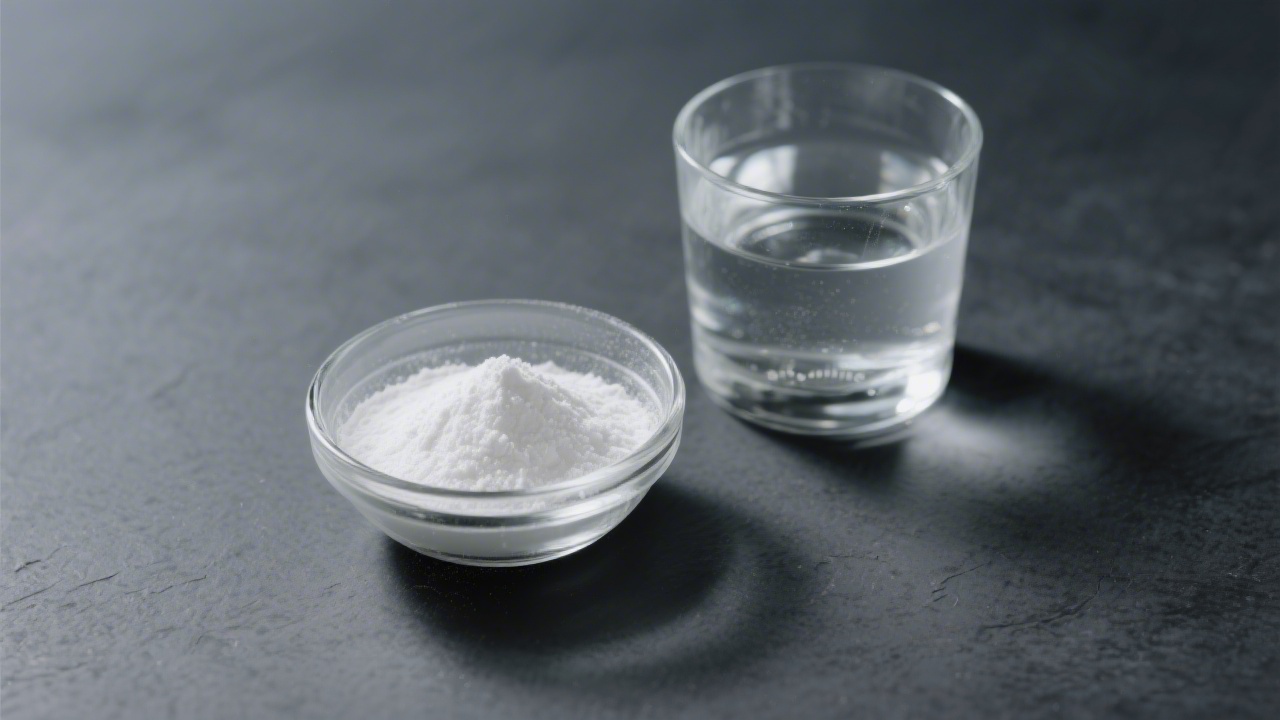
The consistent dose across all positive studies is 3 grams, taken 30 to 60 minutes before bed. Glycine is water-soluble, inexpensive, and has a mildly sweet flavor. It can be dissolved in water without issue. There is no established evidence that higher doses provide additional benefit, and glycine at large doses (30g+) can cause GI discomfort.
Glycine vs. Other Sleep Supplements
- Melatonin signals circadian timing but does not improve thermoregulation. Glycine does not shift sleep timing.
- Magnesium glycinate combines glycine with magnesium, providing both the thermoregulatory effect and magnesium's role in GABA regulation and muscle relaxation.
- Tryptophan/5-HTP work through the serotonin-melatonin synthesis pathway; glycine's pathway is entirely separate, making combination use theoretically additive. See our tryptophan foods guide.
- Ashwagandha reduces cortisol-mediated arousal — again a separate mechanism from glycine's direct thermoregulatory effect.
Dietary Sources of Glycine
Glycine is the most abundant amino acid in collagen, making collagen-rich foods the best dietary sources. Bone broth, slow-cooked cuts of meat, skin-on poultry, and gelatin are all high in glycine. A cup of bone broth contains approximately 1–2g of glycine, making it the best food-based approach, though supplementation is more reliable for reaching exactly 3g. For more on sleep-supportive nutrition, see our gut health and sleep guide.
Looking for a mattress that supports better sleep?
The Saatva Classic is handcrafted in the USA with eco-friendly materials, designed to support healthy sleep architecture night after night.
Explore Saatva Mattresses →Frequently Asked Questions
How long does glycine take to work for sleep?
The thermoregulatory effect begins within 30–45 minutes. Studies report improved sleep quality from the first night of use, which is why timing 30–60 minutes before bed is recommended.
Can you take glycine every night?
Clinical studies ran for several nights without tolerance development. Glycine is an endogenous amino acid the body already produces, making nightly supplementation at 3g very unlikely to cause long-term issues.
Does glycine cause grogginess the next morning?
No. Studies found improved next-day alertness compared to placebo. Glycine does not act as a sedative; it improves conditions for sleep rather than forcing sedation.
Is magnesium glycinate better than regular glycine for sleep?
Magnesium glycinate delivers both compounds but often at lower glycine doses than 3g. For the specific thermoregulatory effect, standalone glycine supplementation gives more precise dosing.
What is the difference between glycine and GABA supplements?
Both are inhibitory neurotransmitters, but oral GABA supplements have limited evidence for crossing the blood-brain barrier. Glycine's sleep mechanism is largely peripheral — vasodilation and temperature reduction.
Our Top Mattress Pick
The Saatva Classic consistently ranks #1 for comfort, support, and long-term durability.
View Saatva Classic Pricing & Details