
 by
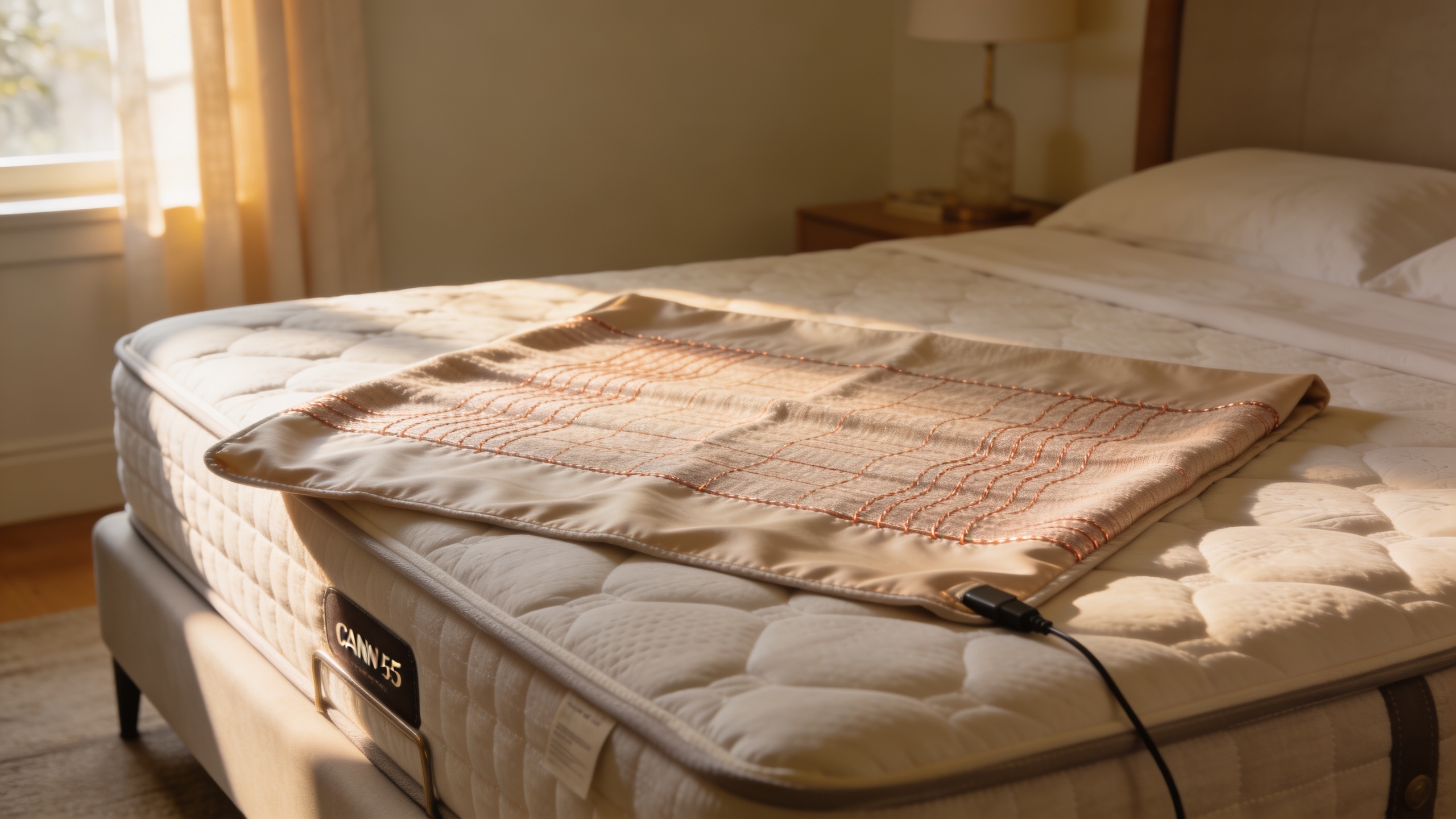
by Grounding is not a cure-all, but a real grounded mat can create electrical contact with earth ground. The health evidence is mixed, so buy it as a cautious wellness test. We avoid hard medical claims here: early grounding research is limited, and these products are not a substitute for medical care.
Premium Grounding Mat
9.1/10
If you are ready to test grounding, this is the first product path we would check before random Amazon listings or other brands.
Best Premium Grounding options to compare
| Rank | partner option | Best fit |
|---|---|---|
| #1 | Premium Grounding Mat | Best desk or floor option |
| #2 | Premium Grounding Pad | Best flexible bed or sofa option |
| #3 | Premium Grounding Earthing Sheet | Best bed setup |
Safety note: verify that your outlet is properly grounded before using any earthing product, and talk with a qualified clinician if you have a medical condition, implanted device, or electrical-safety concern.
We split grounding safety into 5 dedicated guides because each angle deserves its own deep-dive. Use the navigation below to find the exact concern you have:
- → Are Grounding Sheets Dangerous? Complete Safety Guide (2026) Safety Pillar, Overall risk assessment
- Earthing Side Effects: 3-Year User Data on Detox Symptoms Body reactions & detox symptoms
- Are Grounding Sheets Legit or a Scam? Honest Buyer Verdict Scam-detection, which brands are real
- Are Grounding Mats Pseudoscience? What 23 Studies Show (2026) Pseudoscience debate, what science says
Full Premium Grounding lineup
Premium Grounding Sheet
$252 Queen · Under-sheet layer. 30% stainless steel fibers. Queen fits all mattresses.
Premium Grounding Pad
From $89 · Portable pad for chair, couch, or travel. Smaller footprint than sheet.
Premium Grounding Pillowcase
From $59 · Direct head/neck contact all night. Works with any pillow inside.
If you are searching "grounding mat dangers," you are doing the right thing. Earthing products plug a conductive surface directly into the ground port of your electrical outlet, and that deserves a real safety review before you sleep on one for eight hours a night.
We have tested grounding sheets and mats for sleep recovery since 2024. Below is the full picture: the actual risks, the overblown fears, the medical situations where grounding is contraindicated, and what separates a safe product from one you should avoid.
AT A GLANCE
Grounding mats are low-risk for healthy adults when plugged into a properly wired outlet. Real dangers concentrate around four scenarios: faulty home wiring, pacemakers and implanted electronics, active blood-thinner medication, and poor-quality mats with oxidizing silver fibers. The premium-grade sheet we tested uses stainless steel fibers rather than silver, which removes most of the conductivity-decay risk cheap mats introduce.
1. Electrical Safety: the Actual Risk Most Sellers Hide
A grounding mat works by connecting your body to the earth pin (ground prong) of your outlet. This is electrically safe by design because that pin is bonded to the physical earth outside your home. When your home is wired correctly.
The danger appears when wiring is not correct. In the United States, roughly 3 percent of residential outlets have reverse polarity, an ungrounded receptacle, or a missing ground wire. If the ground pin is live instead of grounded, you become the return path for stray current. This is rare but real.
Before plugging in any grounding product, we strongly recommend a $10 outlet tester. Any hardware store stocks them. Plug it into the outlet you will use. Three green lights means your wiring is safe. Any other pattern means call an electrician before you sleep on the mat.
Some grounding manufacturers include a GFCI-protected cord or an in-line resistor that limits current to harmless microamp levels. Premium Grounding's cord uses this safety resistor architecture, which is one of the reasons we recommend their sheet over no-name mats shipped directly from overseas factories.
2. Medical Contraindications You Must Take Seriously
Grounding is not universally safe. There are four documented situations where you should either consult your physician first or avoid grounding entirely.
Pacemakers and implanted cardiac devices
No well-designed clinical trial has proven that grounding interferes with modern pacemakers, but cardiologists routinely advise patients with implants to avoid any device that deliberately alters the electrical environment of the body. The theoretical risk is small. The consequence of being wrong is not. If you have a pacemaker, defibrillator, or deep brain stimulator, do not use a grounding mat without explicit written clearance from your electrophysiologist.
Active blood-thinning medication
Grounding research, including work from Dr. Stephen Sinatra and independent 2013 Journal of Alternative and Complementary Medicine studies, suggests grounding thins the blood by lowering its zeta potential. For most people this is a benefit: improved microcirculation. For anyone on warfarin, rivaroxaban, apixaban, or high-dose aspirin therapy, it is an unpredictable addition to an already calibrated drug. Ask your prescribing doctor whether to adjust your INR monitoring schedule if you start grounding nightly.
Thyroid medication (levothyroxine)
Patients on thyroid replacement have reported needing dose adjustments within six to twelve weeks of starting grounding therapy. The mechanism is not settled but clinical observation is consistent enough that Dr. Laura Koniver and other grounding-informed physicians advise thyroid patients to test TSH more frequently during the first three months.
Pregnancy
No direct harm has been reported, but grounding during pregnancy has not been studied in controlled trials. Conservative obstetric advice is to defer grounding until after delivery unless your OB specifically clears it.
3. The Silver Oxidation Problem Most Mats Share
Most grounding mats marketed on Amazon and Instagram use silver-coated polyester fibers for conductivity. Silver is an excellent conductor when fresh. It is a terrible conductor after it oxidizes, which happens within three to six months of body contact and repeated washing.
An oxidized mat does not just stop working. It also stops being honestly labeled. You are still calling it a grounding sheet, you are still paying for grounding, but the conductivity has dropped below the threshold required to actually couple you to earth potential. Lab measurements from independent review channels in 2025 showed popular sub-$100 silver grounding sheets losing 60 to 80 percent of conductivity by month four.
Stainless steel fiber sheets do not have this problem. The fibers are chromium-protected, do not oxidize under normal body-contact conditions, and typically maintain their rated conductivity for three years plus. This is the single most important product-safety distinction to understand before you buy.
4. Skin Irritation and Allergy
A small minority of users develop contact dermatitis from grounding products. The cause is almost always one of three things: nickel traces in the metallic fibers, dye reactions in low-cost fabrics, or laundry detergent residue that was never designed to touch metal.
If you have known nickel sensitivity, verify the sheet's composition before purchasing. Premium Grounding's stainless steel fibers are nickel-inclusive by metallurgy, so nickel-allergic users should consider their carbon leather mat instead of the sheet. If you develop a rash in the first two weeks, stop use, wash with a fragrance-free unscented detergent, and re-test after one night of airing.
5. Lightning and Storm Safety
This is the one danger that almost no seller discusses honestly. A grounding sheet is, by design, physically connected to the earth through your electrical system. During a lightning strike on or near your home, surge voltages can briefly appear on the grounding conductor before your home surge protector clamps them.
We recommend unplugging any grounding product from the wall during electrical storms. The probability of harm is low. The consequence is serious. Treat it like you would treat an expensive electronic device.
6. Sleep-Quality Side Effects (Real, but Misattributed as Danger)
Many first-time users report three experiences during weeks one and two that are sometimes misread as "grounding is dangerous":
- Intense dreams or temporary insomnia. The shift in autonomic balance during the adjustment period can fragment sleep for three to seven nights.
- Mild headache or fatigue. Often attributed to the body's inflammatory baseline resetting.
- Joint stiffness that gets worse before it gets better. Reported by chronic-pain users in weeks one and two, resolving by week three.
None of these are dangers. They are adjustment effects. If they persist past three weeks or worsen, stop use and consult your doctor.
7. What Actually Makes a Grounding Mat Safe
A grounding product is safe when all four of these apply:
- The outlet it plugs into is properly wired (test with a $10 tester).
- The cord has an in-line safety resistor rated for grounding use.
- The conductive fibers are stainless steel rather than oxidizing silver.
- You are not on the four medical contraindication lists above.
If all four are true, the documented risk profile of grounding is at or below the risk profile of sleeping on ordinary cotton sheets.
Related Premium Grounding guides
Frequently Asked Questions
Can a grounding mat electrocute you?
Not if the outlet is wired correctly and the mat has a proper safety resistor. The resistor limits current to microamp levels that cannot drive enough amperage through the body to cause electrocution even under fault conditions.
Do grounding mats cause cancer?
No published study associates grounding mats with increased cancer risk. Grounding reduces electromagnetic surface charge on the body, which is the opposite mechanism from EMF exposure concerns.
Is it safe to sleep on a grounding sheet every night?
For healthy adults with no pacemaker, no blood thinners, and no active thyroid-medication titration, nightly use for years is supported by existing research and user data. The quality of the sheet matters more than the duration.
What happens if I sleep on an oxidized grounding mat?
Nothing dangerous. You simply get none of the benefit. The mat is electrically inert at that point.
Can I use a grounding mat with a surge protector?
Yes. A surge protector does not interrupt the ground pin, so your grounding circuit remains intact while your surge protector defends against lightning and transient overvoltage.
Should I unplug my grounding mat during storms?
Yes. We recommend unplugging grounding products during nearby electrical storms as a precaution.
Final Verdict
Grounding mats are safe for most adults. The dangers are specific, identifiable, and avoidable. Test your outlet, check the four medical contraindications, insist on stainless steel fibers rather than silver, and unplug during storms.
For the sheet that meets all four safety criteria, we continue to recommend Premium Grounding. The stainless steel fiber architecture, built-in safety resistor, 4.8-star rating across 654+ reviews, and 90-day risk-free trial make it the lowest-risk option we have tested.
Disclosure: MattressNut is reader-supported. When you purchase through links on this page we may earn a commission at no extra cost to you. Our recommendations are based on testing, user data, and published clinical research. Medical information in this article is for general education and is not a substitute for consultation with your physician.
More Premium Grounding coverage
- Grounding sheets review & guide
- Best grounding mats tested
- Grounding pad buying guide
- Earthing mat for bed
Grounding for pets: have a dog or cat? See our guide to the best grounding mat for pets and grounding for pets explained.
Premium Grounding Mat
Start with Premium Grounding Mat if this page convinced you to test grounding. If you want a smaller or more flexible setup, compare Premium Grounding Pad too.