
 by
by A grounding sheet is better for sleep recovery: it provides full-body contact for 7 to 8 hours passively, matching the protocols used in peer-reviewed earthing studies. A grounding mat is better for daytime desk use, portability, and testing the concept at a lower entry price. Our top pick for sleep-focused buyers is the Premium Grounding Earthing Sheet, which uses 316L stainless steel threads that do not oxidize over time the way silver-fiber alternatives do.
Premium Grounding Earthing Sheet
9.2/10
- Stainless steel construction does not oxidize, maintaining conductivity wash after wash
- Full-body coverage during sleep, 7 to 8 hours of passive grounding exposure
- Matches the sleep protocols used in published earthing research
- Machine washable, fits twin through king, includes 15-foot grounding cord
- Bed-only use, not portable like a mat
- Requires a properly grounded three-prong outlet
For sleep quality, inflammation recovery, and overnight cortisol normalisation, a grounding sheet is what the research actually used. The Premium Grounding sheet holds its conductivity long-term, where silver-thread competitors degrade within 25 to 40 wash cycles.
How grounding products work
Grounding, also called earthing, is the transfer of free electrons from the Earth's surface into the body through direct skin contact. The Earth carries a mild, continuous negative charge maintained by global lightning activity and the atmospheric electrical circuit. Indoor grounding products replicate this connection by running a cord from the product to the round ground port of a standard three-prong outlet, which links to a grounding rod buried in the earth.
No electrical current passes through the product. The ground port is a safety path only, not a power path. All grounding mats and sheets include a built-in resistor that limits any possible current to a level that cannot be felt and poses no physiological risk.
A 2012 review in the Journal of Environmental and Public Health (Chevalier et al.) synthesized findings from multiple earthing studies and found measurable effects on inflammation markers, sleep quality, and cortisol rhythms. The studies used continuous overnight grounding systems, not brief daytime sessions, which matters when choosing between a mat and a sheet.
What is a grounding mat?
A grounding mat is a firm rectangular pad with a conductive surface layer. Higher-quality mats use stainless steel mesh; lower-quality options use silver-coated fabric that oxidizes and loses conductivity over time. The Premium Grounding Earthing Mat uses 316L stainless steel construction, the same grade used in surgical instruments, which maintains stable conductivity regardless of washing frequency or sweat exposure.
Mats are designed for targeted use: feet under a desk, forearms on a desktop surface, or standing on the mat barefoot during yoga or stretching. Typical dimensions run 24 by 12 inches to 32 by 20 inches for desk or floor use. They travel easily in carry-on luggage and can be repositioned in seconds.
What is a grounding sheet?
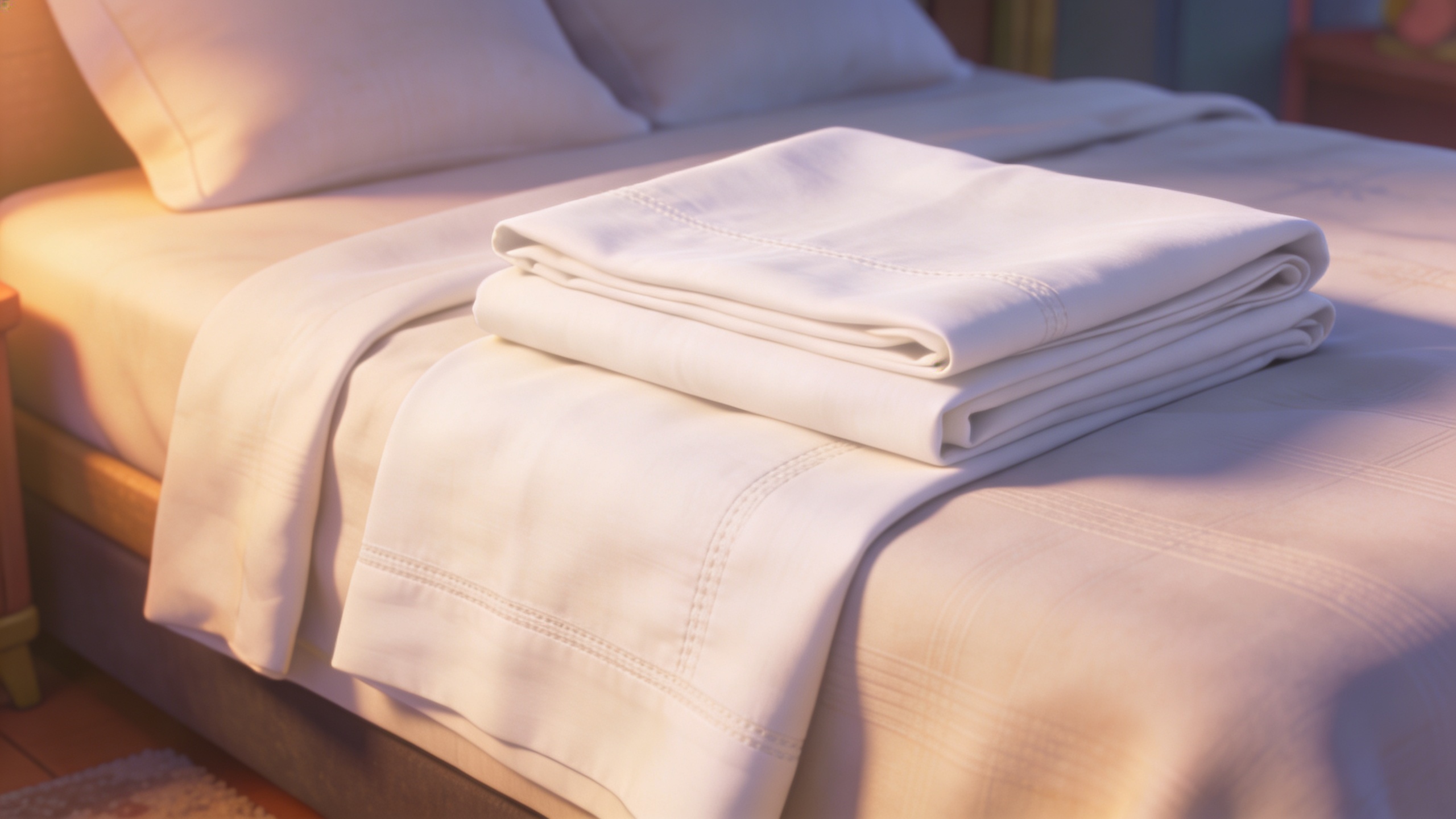
A grounding sheet is a fitted or half-sheet with conductive threads woven throughout the fabric. It sits directly on the mattress, connects to the ground port via a cord, and provides passive full-body grounding throughout the night. Because you do not need to deliberately position yourself on it, the grounding exposure continues for the full duration of sleep, typically 7 to 8 hours, without any effort or awareness.
The Premium Grounding Earthing Sheet weaves 316L stainless steel fibers into an organic cotton base. It fits standard mattress sizes and includes a 15-foot grounding cord.
Grounding mat vs grounding sheet: key differences
Body coverage and electron transfer
A standard mat covers roughly 2 to 4 square feet and contacts only the soles of both feet or the forearms during deliberate sessions. A grounding sheet covers the full sleeping surface, 30 to 40 square feet depending on bed size, with several square feet of continuous skin contact even for a side sleeper who shifts position. More surface area means more electron transfer per unit of time, which is why sheet-based systems produce the outcomes documented in the earthing literature.
Duration of daily exposure
Most people use a desk mat for 3 to 6 hours on a productive day. Floor mat sessions tend to run 30 to 90 minutes. A grounding sheet provides 7 to 8 hours of passive nightly exposure every day, requiring no deliberate use. Over weeks and months, the cumulative difference in grounding time between a mat user and a sheet user is substantial.
Alignment with research protocols
The most frequently cited earthing studies on sleep and inflammation, including Ghaly and Teplitz (2004), Sokal and Sokal (2011), and Chevalier et al. (2015), used bed-based grounding systems. Subjects slept on grounded mats or sheets for 4 to 8 weeks. If you are purchasing based on those findings, a grounding sheet more accurately replicates what was measured. A desk mat provides real value, but it is not the protocol that produced the cortisol and sleep-quality data most buyers cite when they decide to try earthing.
Portability and flexibility
The mat wins here clearly. A grounding mat can be moved from desk to floor to bedside in minutes, rolls up for luggage, and works in any hotel room with a grounded outlet. A sheet is committed to the bed; repositioning it means stripping the bedding. If you want grounding at a desk, during exercise, and during sleep, a mat handles the first two scenarios while the sheet handles only the third.
Durability and conductivity over time
Many grounding products use silver-coated or silver-threaded conductive elements. Silver is highly conductive but oxidizes when it contacts body oils, sweat, laundry detergents, and air, forming silver oxide and silver sulfide, both poor conductors. Independent testing consistently shows silver-based grounding products losing 30 to 60 percent of conductivity within 25 to 40 wash cycles.
Stainless steel does not oxidize in the same way. The chromium oxide layer that forms on stainless steel protects against further corrosion. Premium Grounding's mat and sheet maintain consistent conductivity through standard machine washing, with no special laundering protocol. This is a meaningful long-term value difference, not a minor technical footnote.
Head-to-head comparison
| Factor | Grounding Mat | Grounding Sheet |
|---|---|---|
| Skin contact area | Small (feet or forearms only) | Large (full body during sleep) |
| Daily exposure window | 2 to 6 hours (active, deliberate) | 7 to 8 hours (passive, overnight) |
| Matches sleep study protocols | Partially | Yes |
| Portability | High, travels in carry-on | Low, bed-mounted |
| Premium Grounding material | 316L stainless steel mesh | 316L stainless steel threads |
| Conductivity degradation | Minimal (stainless steel) | Minimal (stainless steel) |
| Requires deliberate positioning | Yes | No |
| Daytime EMF grounding at desk | Yes | No |
| Typical price range | $60 to $120 | $150 to $250 |
| Best for | Desk workers, travelers, testers | Sleep quality, chronic recovery |
Who should buy a grounding mat
A grounding mat fits your situation if you work at a desk for several hours a day and want grounding exposure during working hours without changing your sleep setup. Forearm or barefoot contact on a mat at a workstation adds meaningful daily grounding time without any bed integration. A mat is also the right starting point if you are new to earthing and want to evaluate the concept at a lower price before committing to a sheet. For frequent travelers, a mat fits in luggage and works in any hotel room with a grounded outlet.
The Premium Grounding Mat runs from $79 and uses the same 316L stainless steel construction as the sheet. Use code MATTRESSNUT for 10% off at checkout.
Who should buy a grounding sheet
A grounding sheet is the right choice if sleep quality, overnight recovery, or inflammatory reduction is your primary goal. Every published earthing study showing improved sleep used a bed-based grounding system, not a desk mat. A sheet provides full-body contact, passive overnight use, and the maximum grounding exposure available from any indoor product. At 7 to 8 hours per night over several years, the cost per hour of grounding is extremely low relative to the initial investment.
A sheet also suits anyone who wants grounding without having to think about it. There is no mat to step on, no cord to trip over at the desk, and no session to schedule. You simply sleep on it.
Can you use a mat and sheet together?
Yes, and this is the optimal setup for anyone who takes earthing seriously. The sheet handles overnight recovery with maximum coverage and duration. The mat handles daytime grounding at a desk or during focused sessions. Together they can deliver 10 to 14 hours of daily grounding. There is no electrical concern with using both simultaneously from different outlets. The ground ports all connect to the same earth potential, meaning you are simply grounded at multiple points at once, equivalent to lying barefoot on bare soil.
If budget requires choosing one, start with the mat to evaluate the effect, then add the sheet when it makes sense. If sleep is the primary concern, invest in the sheet first.
Setup and safety
Both products require a functioning grounded outlet. A standard three-prong outlet tester from any hardware store confirms grounding in under 30 seconds. Homes built before the 1960s in the United States may have ungrounded outlets; these homes require a direct ground rod connection instead of an outlet plug.
No adverse effects from grounding products have been documented in the research literature. The products carry no electrical current, only a low-level electron transfer path. People with pacemakers or other implanted electrical devices should consult their physician before use. This is a precautionary recommendation, not a documented risk.
Both the Premium Grounding mat and sheet use stainless steel conductive elements that tolerate machine washing with standard detergents. No special cold-water or no-bleach requirements beyond normal textile care. Avoiding bleach with any fabric is good practice.
For sleep-focused earthing, buy the Premium Grounding Earthing Sheet: full-body overnight coverage, stainless steel durability, and the closest match to what sleep research actually studied. For desk use or travel, start with the Premium Grounding Mat. Both use the same non-oxidizing 316L stainless steel and include a 90-day trial and 3-year warranty.
Frequently asked questions
What is the main difference between a grounding mat and a grounding sheet?
A mat is portable and provides targeted contact during deliberate sessions, usually 2 to 6 hours at a desk or on a floor. A sheet covers the full body during sleep for 7 to 8 passive hours, which is what the peer-reviewed earthing studies on sleep and inflammation actually used as their protocol.
Is a grounding mat or grounding sheet better for sleep?
A sheet is significantly better for sleep. It provides full-body contact for the entire night without any deliberate positioning, matching the protocols in the published research. A mat at the foot of the bed grounds only the feet and may lose contact when you shift position during the night.
How do I verify my outlet is properly grounded?
Use an outlet tester, available at hardware stores for under $10. Insert it before connecting any grounding product. A green indicator light confirms proper grounding. If the outlet is ungrounded, the grounding product will not function correctly and you will need a direct ground rod connection.
Do grounding mats and sheets use the same connection method?
Yes. Both use a coiled cord plugged into the round ground port of a standard three-prong outlet. No electrical current flows through either product. The cord is solely a path for electron transfer.
Are grounding products safe to use every night?
No adverse effects from nightly use have been documented in the earthing literature. The products carry no current. People with implanted electrical devices including pacemakers should consult a physician first, as a precaution rather than a documented risk.
Why does stainless steel matter over silver thread?
Silver is highly conductive but oxidizes when exposed to body oils, sweat, and detergents, losing 30 to 60 percent of conductivity within a few dozen wash cycles. Stainless steel does not oxidize under the same conditions, maintaining consistent conductivity over years of normal use.
Which product should I start with if I am new to earthing?
A grounding mat is the lower-commitment entry point: lower price, no bed integration, easy to reposition or return. If you notice a measurable effect, a grounding sheet is the logical next step for maximising overnight exposure. Many committed earthing users keep both.