
 by
by Recommended: Saatva Classic
Award-winning luxury innerspring with lumbar support. Tested by our team for quality, durability, and health-relevant sleep support.
The Gut-Brain Axis and Sleep Architecture
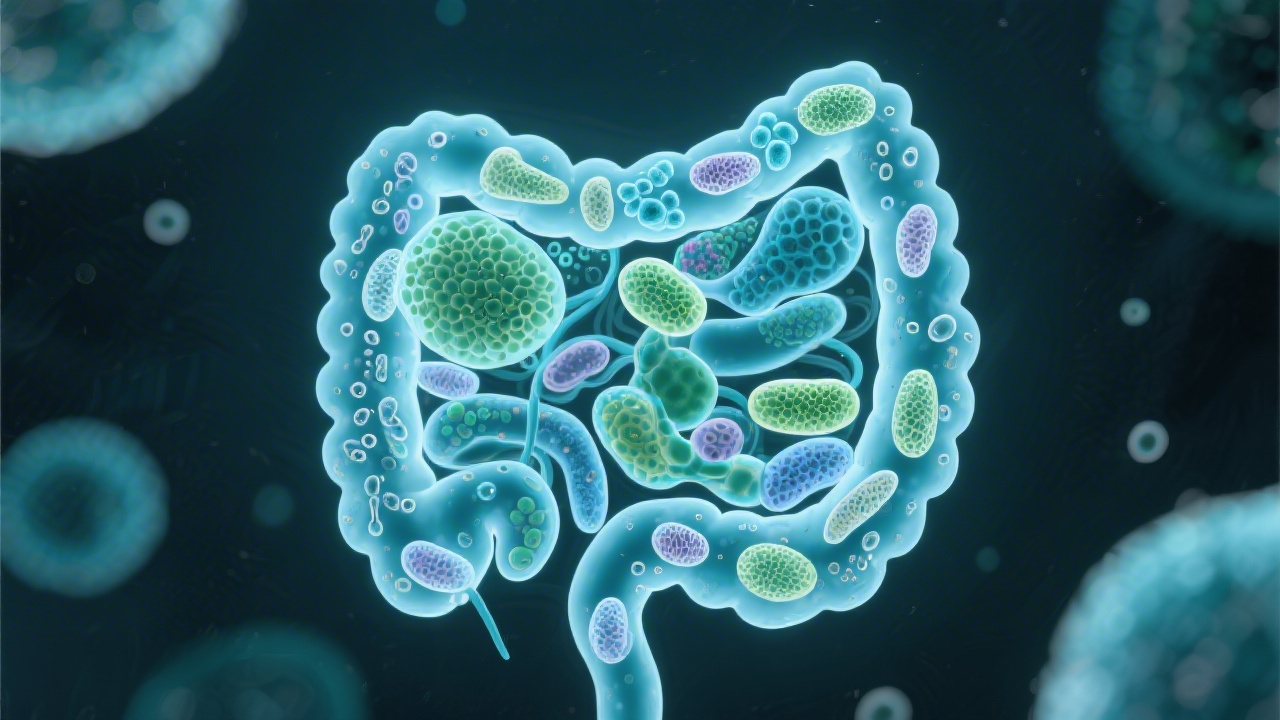
The gut-brain axis is a bidirectional communication network connecting enteric neurons, vagal afferents, immune signaling, and circulating metabolites. Sleep is not simply a brain event — it is a whole-body process that gut bacteria actively influence through multiple molecular pathways.
The three primary mechanisms are: (1) microbial production of neurotransmitter precursors such as serotonin and GABA, (2) synthesis of short-chain fatty acids (SCFAs) that cross the blood-brain barrier, and (3) immune modulation via cytokine signaling that affects slow-wave sleep depth.
Serotonin, GABA, and the Microbiome
Approximately 90-95% of the body's serotonin is synthesized in the gut, with enterochromaffin cells acting as the primary production site. Gut microbes — particularly Lactobacillus and Bifidobacterium species — influence this production by modulating tryptophan availability and enterochromaffin cell activity.
Serotonin is the direct precursor to melatonin. When microbiome composition shifts toward lower Lactobacillus abundance — a pattern common in dysbiosis — peripheral serotonin availability drops, and downstream melatonin synthesis can be impaired. This mechanism partially explains the sleep disruption observed in conditions associated with gut dysbiosis, including IBS and inflammatory bowel disease. For a broader look at this relationship, see our guide on sleep and gut health.
GABA, the primary inhibitory neurotransmitter, is also produced by gut bacteria. Lactobacillus rhamnosus generates GABA directly, and animal studies show that colonization with GABA-producing strains reduces anxiety-related behavior and increases NREM sleep time.
Short-Chain Fatty Acids and Sleep Quality
Butyrate, propionate, and acetate — produced when gut bacteria ferment dietary fiber — are collectively known as short-chain fatty acids (SCFAs). Butyrate in particular has received significant research attention for its effects on sleep.
Animal studies show that intravenous butyrate increases NREM sleep and reduces wakefulness after sleep onset. The proposed mechanism involves butyrate's action on hypothalamic circuits that regulate sleep-wake transitions. Butyrate also suppresses pro-inflammatory cytokines that fragment sleep architecture.
Dietary fiber intake directly determines SCFA production. A 2020 study in Frontiers in Psychiatry found that higher fiber intake was associated with better sleep quality and lower insomnia scores, mediated in part through gut microbiome composition.
Bacteroidetes-to-Firmicutes Ratio and Sleep Efficiency
The ratio of Bacteroidetes to Firmicutes is a widely used (though imperfect) marker of microbiome balance. Research in sleep populations has found that individuals with higher insomnia severity show altered Bacteroidetes/Firmicutes ratios compared to good sleepers, with lower relative Bacteroidetes abundance.
This ratio is modifiable through diet. Mediterranean-pattern eating — high in fiber, polyphenols, and fermented foods — consistently shifts this ratio toward higher Bacteroidetes within 4-6 weeks.
Practical Dietary Implications
The research points toward specific dietary strategies that support microbiome composition favorable to sleep:
- Prebiotic fibers — inulin, fructooligosaccharides (FOS), and resistant starch feed SCFA-producing bacteria. Sources include garlic, onions, leeks, asparagus, and green bananas.
- Fermented foods — yogurt, kefir, kimchi, and sauerkraut provide live bacteria and have been shown in RCTs to increase microbiome diversity within 10 days.
- Polyphenol-rich foods — blueberries, pomegranate, and dark chocolate metabolites selectively feed beneficial bacteria including Akkermansia muciniphila, associated with better metabolic and sleep outcomes.
- Tryptophan-containing foods — turkey, eggs, and seeds provide substrate for both serotonin and melatonin synthesis, working synergistically with a healthy microbiome.
Conversely, ultra-processed food diets reduce microbial diversity within 72 hours and increase Firmicutes dominance. Alcohol, while sedating, disrupts REM sleep and also alters microbiome composition unfavorably.
Sleep Environment as a Microbiome Factor
Sleep quality and microbiome composition influence each other bidirectionally. Sleep deprivation itself alters gut microbiome composition — specifically reducing Akkermansia and Lactobacillus abundance within days of sleep restriction. This creates a feedback loop where poor sleep worsens dysbiosis, which then further impairs sleep.
A supportive sleep environment — including a mattress that reduces pain-related arousals and maintains spinal neutrality — supports uninterrupted sleep architecture, which in turn protects microbiome stability. Thermal comfort matters too: gut motility and microbial activity follow circadian rhythms tied to core body temperature.
Recommended: Saatva Classic
Award-winning luxury innerspring with lumbar support. Tested by our team for quality, durability, and health-relevant sleep support.
Frequently Asked Questions
Which gut bacteria are most important for sleep?
Lactobacillus and Bifidobacterium species produce GABA precursors and support serotonin synthesis. Bacteroidetes-to-Firmicutes ratio also correlates with sleep efficiency in observational studies.
How does the microbiome influence melatonin production?
Gut bacteria produce around 90% of the body's serotonin, which is the direct precursor to melatonin. A disrupted microbiome reduces serotonin availability, which can impair the melatonin conversion pathway.
Can antibiotics affect sleep through the microbiome?
Yes. Broad-spectrum antibiotics reduce microbial diversity and can transiently disrupt GABA and serotonin production, leading to increased sleep fragmentation in some individuals.
How quickly can dietary changes improve microbiome-related sleep?
Fermentable fiber increases SCFA-producing bacteria within 2-4 weeks. Sleep improvements from dietary microbiome interventions are generally observed over 4-8 weeks in clinical studies.
Is there a connection between gut dysbiosis and insomnia?
Observational data shows insomnia patients have lower Lactobacillus abundance and higher pro-inflammatory taxa compared to good sleepers. Whether dysbiosis causes insomnia or results from it remains an active research area.
Our Top Mattress Pick
The Saatva Classic consistently ranks #1 for comfort, support, and long-term durability.
Key Takeaways
Gut Bacteria and Sleep is a topic that depends heavily on individual needs and preferences. The most important thing is to consider your specific situation — your body type, sleep position, and personal comfort preferences — before making any decisions. When in doubt, take advantage of trial periods to test before committing.