
 by
by Recommended: Saatva Classic Mattress
A supportive, pressure-relieving sleep surface can meaningfully reduce the physical tension that amplifies anxiety at night. Saatva's luxury innerspring hybrid is consistently rated among the best for anxious sleepers.
The Health Anxiety–Insomnia Cycle
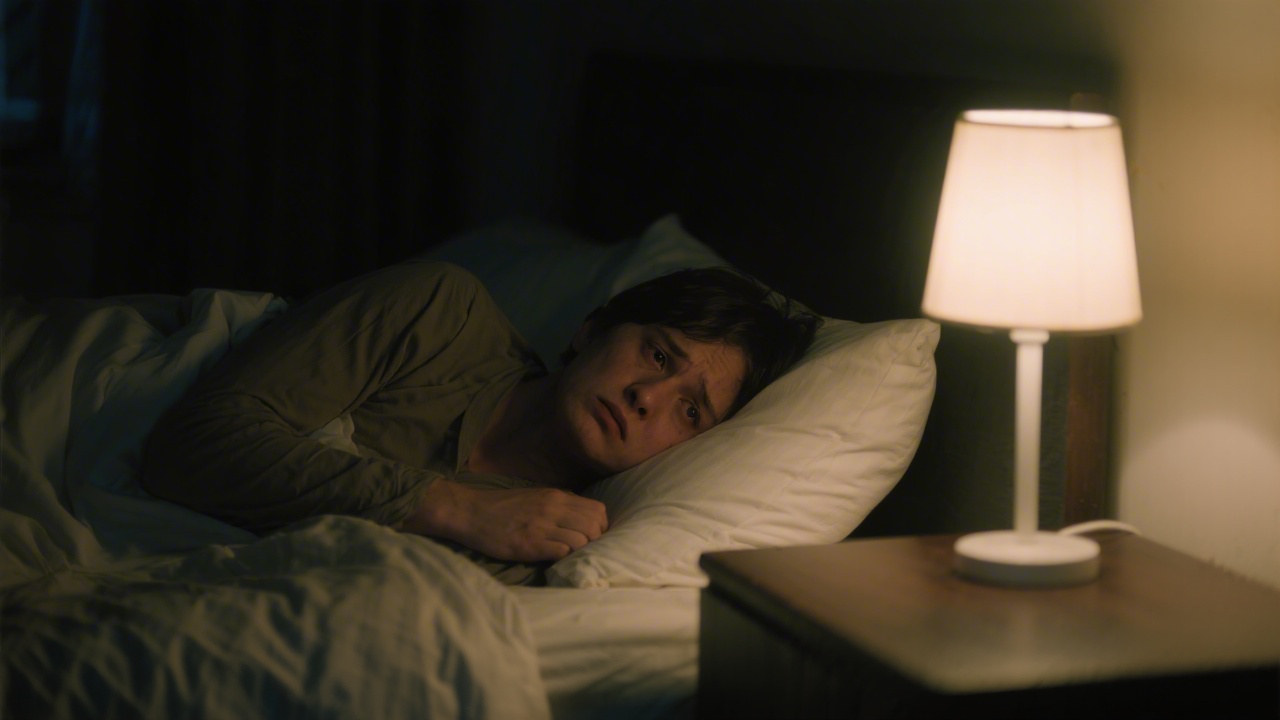
Health anxiety — clinically known as illness anxiety disorder or, in older literature, hypochondria — occupies a uniquely cruel position relative to sleep. Bedtime strips away every distraction that has kept somatic monitoring at bay during the day. The room goes quiet, external stimuli disappear, and the nervous system turns its full attention inward. Every heartbeat becomes audible. Every unfamiliar ache demands interpretation. For the roughly 4–6% of adults who meet diagnostic criteria for health anxiety, this nightly inward turn can be genuinely disabling.
The cycle is self-reinforcing: hyperarousal prevents sleep onset; fragmented sleep increases cortisol and interoceptive sensitivity the next day; heightened body awareness produces more symptoms to worry about; and anticipatory dread about the coming night makes the following bedtime worse. Breaking this cycle requires understanding each link specifically.
Why Symptoms Feel Worse at Night
Several physiological mechanisms converge to amplify physical sensations after dark. First, cardiac output and blood pressure follow a circadian dip that some individuals perceive as skipped beats or palpitations. Second, the transition from sympathetic to parasympathetic dominance during sleep onset produces muscle twitches (hypnic jerks) that health-anxious individuals frequently catastrophize as neurological events. Third, the reduced ambient noise floor of nighttime makes normal tinnitus and digestive sounds disproportionately salient.
From a cognitive standpoint, the absence of competing tasks removes the attentional displacement that keeps health worry manageable during working hours. Research by Bogels and Mansell (2004) demonstrated that self-focused attention — the core cognitive feature of health anxiety — increased dramatically in low-stimulation environments, precisely replicating the bedtime condition.
The Role of Safety Behaviors
A defining feature of health anxiety at night is the use of safety behaviors: self-checking pulses, Googling symptoms on a phone, seeking reassurance from a partner, or keeping a symptom diary. While these feel momentarily calming, they maintain the problem by communicating to the brain that the threat is real enough to require monitoring. CBT for health anxiety specifically targets safety behavior reduction as a primary mechanism of change.
Phone use deserves special mention. The blue-light suppression of melatonin is a secondary concern; the primary problem is that symptom-searching at 2am provides an endless supply of confirmatory evidence for catastrophic diagnoses, rapidly escalating anxiety rather than resolving it.
CBT Approaches Specific to Nighttime Health Anxiety
Standard CBT for health anxiety (Warwick & Salkovskis, 1990) has strong evidence, but clinicians increasingly recognize that nocturnal presentations benefit from protocol modifications. Four techniques have the strongest research base:
- Attention retraining at bedtime: Externally directed attention exercises (focusing on neutral external sounds rather than bodily sensations) have been shown to interrupt the hypervigilant body scan that precedes health anxiety spirals at night.
- Exposure with response prevention: Deliberately noticing an ambiguous sensation without checking, Googling, or seeking reassurance, allowing the anxiety spike to extinguish naturally. Repeated exposures reduce the conditioned fear response over two to four weeks.
- Scheduled worry time: Containing health worries to a 20-minute window in the afternoon, with a written rule that nocturnal worries are deferred, reduces the cognitive permission structure for nighttime rumination.
- Cognitive restructuring of nighttime catastrophizing: Working with a therapist to identify and challenge specific nocturnal automatic thoughts ("this chest tightness is cardiac") with more realistic appraisals ("chest tightness is common and almost always benign").
Sleep Environment and Physical Factors
Temperature dysregulation amplifies physical symptom awareness — a hot, uncomfortable sleeping environment produces genuine physical sensations (sweating, increased heart rate) that the health-anxious mind readily misattributes to illness. Maintaining bedroom temperature between 65–68°F (18–20°C) reduces this noise floor. anxiety and sleep
Mattress comfort matters more for this population than is generally appreciated. Pressure points that cause position-shifting during the night create brief arousals; in health-anxious individuals, each arousal becomes an opportunity for a new symptom check. A pressure-relieving mattress reduces these micro-awakenings. best mattress for sleep anxiety
When to Seek Professional Support
Health anxiety severe enough to produce nightly sleep disruption warrants professional intervention. The gold standard is CBT with a therapist trained in health anxiety protocols, ideally augmented with sleep hygiene tips. SSRIs (particularly sertraline and paroxetine) have evidence for health anxiety and may be appropriate when CBT alone is insufficient. The combination of pharmacotherapy and CBT outperforms either alone in moderate-to-severe cases.
Recommended: Saatva Classic Mattress
A supportive, pressure-relieving sleep surface can meaningfully reduce the physical tension that amplifies anxiety at night. Saatva's luxury innerspring hybrid is consistently rated among the best for anxious sleepers.
Frequently Asked Questions
Does health anxiety worsen at night for everyone who has it?
Not universally, but the majority of people with health anxiety report nocturnal symptom escalation due to the reduced distraction and increased interoceptive awareness that characterize the bedtime environment.
Is it safe to use a symptom-checker app before bed?
Strongly inadvisable. Symptom checkers are algorithmically designed to present worst-case possibilities, and using them before sleep reliably escalates rather than resolves health anxiety. The safety behavior of checking maintains the problem.
How long does CBT take to improve health anxiety insomnia?
Most randomized trials show meaningful improvement in 8–16 weekly sessions. Nocturnal symptoms often improve more slowly than daytime health anxiety, requiring four to eight weeks of consistent safety behavior reduction before sleep consolidates.
Can a better mattress reduce health anxiety symptoms at night?
A mattress cannot treat health anxiety, but pressure-induced micro-awakenings give health-anxious individuals additional opportunities to initiate symptom-checking cycles. Minimizing disrupted sleep reduces these opportunities.
Should I keep a symptom diary to bring to my doctor?
In the context of health anxiety, nightly symptom diaries typically amplify rather than reduce worry. If you have genuine medical concerns, a single documented list for your physician is appropriate; ongoing daily logging maintains health-anxious hypervigilance.
Key Takeaways
Health Anxiety and Sleep is a topic that depends heavily on individual needs and preferences. The most important thing is to consider your specific situation — your body type, sleep position, and personal comfort preferences — before making any decisions. When in doubt, take advantage of trial periods to test before committing.