
 by
by Topic Overview / What to Look For
A horizontal Murphy bed folds sideways into the wall instead of vertically, making it the better choice for rooms with low ceilings, attic spaces, or installations under windows. Standard horizontal Murphy beds in queen size require 64 inches of wall length and only 42 inches of vertical clearance when folded down, compared to 86 inches needed for vertical Murphy beds. The category includes three main subtypes: panel-bed (mattress folds into a flat panel facade), cabinet-bed (looks like a console when closed), and side-tilt with desk or sofa integration. Key buying decisions include wall-mount versus freestanding, mattress thickness compatibility (most accept 8 to 12 inches), weight capacity (typical range 550 to 1100 pounds), and gas piston versus traditional spring lift mechanism. Installation complexity ranges from 4-hour DIY to professional-only depending on subtype and wall construction.
Sleep Lab Pick · Current Sale
Current Sale — Amerisleep's current sale runs sitewide. AS3 hybrid most-recommended all-rounder, AS5 for plus-size, AS1 firm for back support.
Key Specifications / Comparison
| Feature | Wall-Mount Panel | Freestanding Cabinet | Sofa-Combo Murphy |
|---|---|---|---|
| Mattress Thickness | 8 to 12 inches | 6 to 10 inches | 8 to 11 inches |
| Weight Capacity | 1000 lbs | 700 lbs | 900 lbs |
| Wall Mounting Required | Yes (studs) | No | Optional |
| Lift Mechanism | Gas piston | Spring | Gas piston |
| Installation Time | 4 to 6 hours | 2 to 3 hours | 5 to 8 hours |
| Closed Depth | 16 inches | 22 inches | 40 inches (sofa out) |
| Price Queen | 1500 to 3500 USD | 1200 to 2500 USD | 3000 to 6000 USD |
Wall-mount panel beds require attaching to wall studs (16 or 24 inch on-center construction in the United States). Freestanding cabinet versions need no wall attachment but project further into the room. Sofa-combo units offer dual function but cost roughly double and weigh enough that hardwood floor reinforcement may be required in older homes. Always verify floor load capacity before installing any Murphy bed over 700 pounds total weight.
Performance & Compatibility
Mattress fit is the most overlooked compatibility issue. Most horizontal Murphy beds accept mattresses 8 to 12 inches thick, but cheaper models cap at 10 inches. Heavier hybrid or latex mattresses (often 13 to 15 inches thick) will not close properly or will damage the lift mechanism over time. Always confirm thickness AND weight capacity before mattress selection. Memory foam mattresses are the most popular pairing because they remain stable when stored vertically without slat support pressure issues. Innerspring mattresses can develop coil compression after years of vertical storage. Latex mattresses work but their heavier weight (90 to 110 pounds in queen) stresses lift mechanisms designed for foam at 60 to 80 pounds. Restraint straps included with most Murphy beds keep the mattress secure during folding. Apartment dwellers should verify lease terms allow wall-mounted units, since installation involves drilling into structural walls.
View Saatva bed frame and base options
The Saatva Lineal Adjustable Base Choice
Murphy beds and adjustable bases are typically incompatible because adjustable bases require fixed installation and add 6 to 10 inches of housing depth. However, buyers who originally considered a Murphy bed for space-saving often find their actual need is flexibility, not vertical storage. The Saatva Lineal Adjustable Base solves the deeper problem by adding head and foot articulation, three programmable presets, full-body wave massage, lumbar support, and zero-gravity preset to a permanent bedroom installation. At 1395 dollars for queen, the Lineal undercuts Tempur-Ergo by roughly 1100 dollars and Reverie by 500 dollars while including free white-glove delivery and lifetime warranty. For buyers who realize their primary issue is flexibility rather than disappearing furniture, replacing the Murphy concept with a permanent platform bed plus Lineal base often costs less and delivers better long-term value.
| Feature | Saatva Lineal | Generic Adjustable |
|---|---|---|
| Wireless remote | Yes (3 presets) | Varies |
| Lumbar/Massage | Yes / Wave | Often no |
| Free white-glove | Yes | No |
| Warranty | Lifetime | 5-25 years |
| Price (Queen) | $1,395 | $1,200-$3,500 |
View Saatva Lineal Adjustable Base
Who Should Buy
Studio apartment renters with permission to wall-mount benefit most from horizontal panel Murphy beds, gaining 30 to 40 square feet of usable floor space during the day. Vacation home owners and short-term rental hosts use cabinet-style freestanding Murphy beds to flex between sleeping for guests and open living space. Home office hybrid users (work-from-home plus occasional guest needs) get the strongest functional value from sofa-combo units despite the higher cost.
Bottom Line
Horizontal Murphy beds work brilliantly for ceiling-limited or window-occupied walls in spaces under 400 square feet. Verify mattress thickness compatibility, wall stud construction, and lift mechanism warranty before purchase. For buyers whose real need is sleep flexibility rather than space conversion, a permanent bed frame plus Saatva Lineal Adjustable Base often delivers better value at lower total cost.
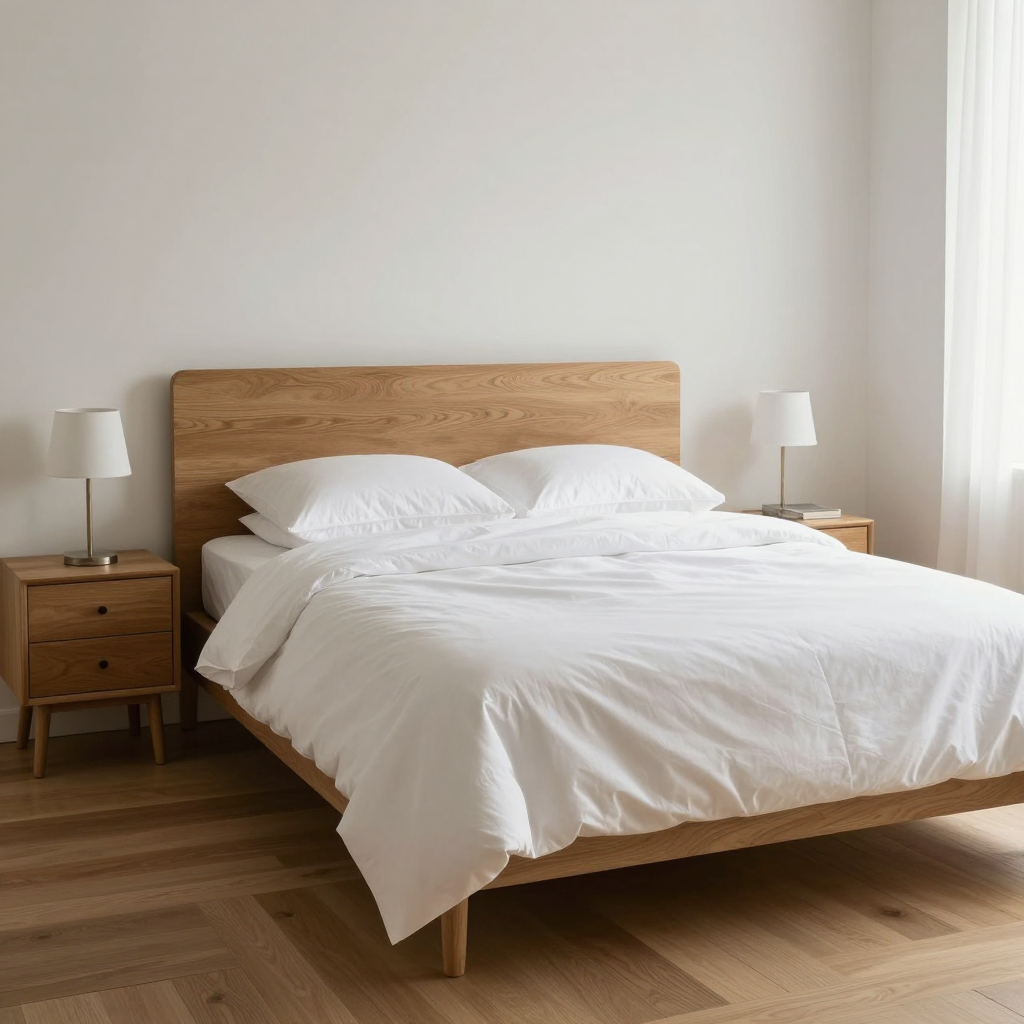
Get Saatva frame/base - free white-glove delivery
FAQ
How much wall space does a horizontal Murphy bed need?
A horizontal queen Murphy bed needs approximately 64 inches of wall length and 42 inches of vertical clearance from floor to top edge when folded down. Add 6 inches on each side for the cabinet frame. When opened, total floor projection runs 64 inches into the room. Always measure available wall space before purchase.
What mattress works best in a Murphy bed?
Memory foam mattresses 8 to 12 inches thick perform best in Murphy beds because they store vertically without coil compression. Latex works but adds weight that stresses lift mechanisms. Innerspring mattresses can develop coil issues after years of vertical storage. Always verify Murphy bed weight capacity exceeds mattress weight by 30 percent.
Can I install a Murphy bed myself?
Wall-mount Murphy beds require 4 to 6 hours of installation including locating studs, leveling, and gas piston tensioning. DIY-capable for buyers comfortable with stud finders, levels, and following detailed instructions. Sofa-combo units typically require professional installation due to weight (200 plus pounds) and complex multi-stage assembly steps.
Do Murphy beds damage walls?
Properly installed wall-mount Murphy beds anchored into structural studs cause no wall damage during normal use. Removal leaves several anchor holes that need patching and painting. Freestanding cabinet versions cause zero wall damage. Apartment renters should verify lease terms allow installation and discuss patch responsibilities at lease end.
Are Murphy beds comfortable for nightly use?
Yes, modern Murphy beds with quality mattresses are equally comfortable to standard beds for nightly sleeping. Comfort depends entirely on mattress choice, not the Murphy mechanism. Some users report reduced edge support in cabinet-style models due to thinner mattress requirements. Wall-mount panel models accept thicker mattresses for full comfort parity.