
 by
by Quick answer: Emma is worth a close look if you want a simple foam or hybrid build with a medium-feel focus. I’d start with the Original for lighter side and back sleepers, then move to an Emma hybrid if edge support, easier movement, or a more substantial support core matters. If you want broader firmness choices, compare the Saatva Classic first. Jump to my verdict.
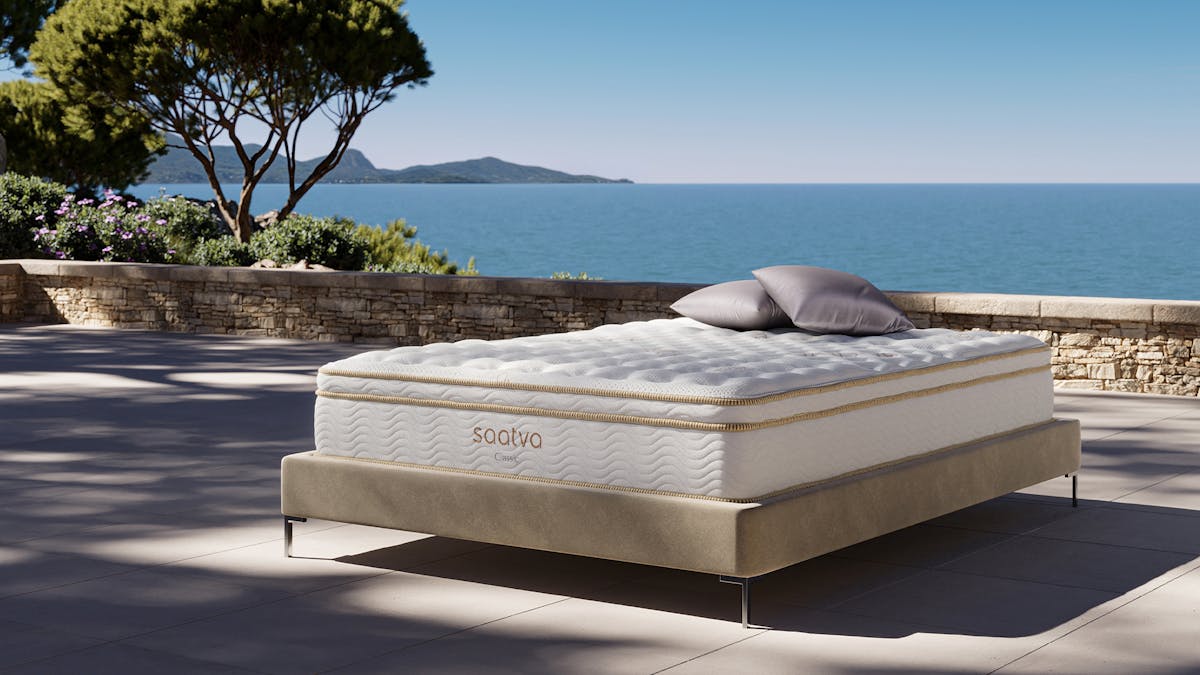
My verdict: The Emma Mattress line has legitimate construction strengths, especially its pressure-relieving foam layers and the pocketed coils used in its hybrid models. The weak point is choice: most models concentrate around a similar medium to medium-firm lane. If you want more firmness and height options, the Saatva Classic is the alternative I’d compare before deciding. Per Saatva’s manufacturer terms, it includes a 365-night home trial and lifetime warranty. See the Saatva Classic details.
Emma Mattress at a Glance
Emma Sleep began in Frankfurt, Germany, in 2013, according to the company’s background materials. Its lineup now spans all-foam and hybrid designs, which is useful because the construction change is meaningful: foam models prioritize pressure relief and motion isolation, while hybrids add a coil core for more pushback and perimeter stability.
- Best fit: Side and back sleepers who prefer a medium-feeling foam surface.
- Original construction: Airgocell foam, transition foam, and a high-density foam base, as described by Emma.
- Hybrid construction: Comfort foams over individually wrapped coils, according to the manufacturer’s model descriptions.
- Trial and warranty: Emma lists a 100-night trial and 10-year limited warranty for its standard US terms.
- My material take: The hybrid models make more sense for sleepers who need better edge stability than an all-foam perimeter typically provides.
The important distinction is not the marketing name on the cover. It is what sits below it. A thick comfort layer can feel pleasant at first, but the support core decides how well the mattress resists deeper compression over time. Emma’s Original leans on foam throughout, while its hybrids use pocketed coils to carry more of that job.
For an all-foam mattress, the Original’s appeal is straightforward. Airgocell foam is designed to feel less slow-moving than traditional memory foam, so you should not get the deep, stuck-in-place sensation that turns some combination sleepers away from foam beds. That does not make it a universal fit. Heavier sleepers and stomach sleepers often need more resistance through the midsection than a medium all-foam build can provide.
Emma’s hybrid models are the more structurally interesting part of the range. Individually wrapped coils can respond separately under each side of the bed, which helps limit cross-bed movement compared with older connected-coil designs. They also give the mattress a more lifted feel than the Original, particularly when you change positions or sit near the edge.
The Nut’s construction note: If you share a bed, do not focus only on “motion isolation.” Look at the support core, too. Foam can mute movement well, but pocketed coils tend to give couples a more usable edge and less of a compressed feeling through the center of the mattress.
Breaking Down the Emma Mattress Lineup
Emma Original
The Emma Original is the core all-foam model and the cleanest expression of the brand’s approach. Emma describes a three-layer build with Airgocell foam on top, transition foam in the middle, and a high-density foam base underneath. That stack is designed for pressure relief first, with the base foam supplying the deeper support.
Emma has listed queen pricing around $499 to $699 during typical promotions, according to the brand’s sales pages at our last check. At that level, the Original is positioned as an accessible foam option rather than a heavy-duty mattress for every body type. I’d put it on the shortlist for lighter and average-weight side sleepers who want cushioning at the shoulder and hip without an ultra-plush top.
The limitation is predictable from the materials. A foam perimeter generally compresses more than a coil perimeter, and the Original is no exception. If you sit on the edge to dress, sleep close to the side, or want a mattress that feels easier to move across, a hybrid is usually the more sensible direction.
Emma Hybrid
The Emma Hybrid adds individually wrapped coils beneath the foam stack. That one change gives it a different job than the Original: it is better suited to combination sleepers and back sleepers who want some bounce and a less enveloping feel. Emma has listed queen pricing around $899 to $1,099, according to its product listings.
Pocketed coils are not automatically superior in every category, but they are the right material choice for sleepers who need stronger support at the perimeter. Because the springs can compress independently, they can also reduce the broad, rolling response associated with connected coil systems. The foam above them still handles pressure relief and surface comfort.
If you are deciding between the brand’s all-foam and hybrid directions, the construction makes the choice fairly simple. Pick foam for quieter, more contouring comfort. Pick coils if you want more mobility, more edge confidence, and a mattress that does not rely entirely on compressed foam for support.
See my Emma Original and Emma Hybrid comparison for a closer look at how those two construction styles differ.
Emma Hybrid Comfort
The Hybrid Comfort takes the coil-and-foam format and adds a more cushioned top layer. Emma has described it as a plusher hybrid option, and that makes it most relevant for strict side sleepers and lighter sleepers who need more initial give at the shoulder. Emma has listed queen pricing around $1,099 to $1,299, according to its product pages.
More surface padding can improve pressure relief, but it also means the sleeper reaches the support system later. That is why I would be cautious about calling a plusher hybrid the best choice for every back or stomach sleeper. Those positions usually need the comfort layers to keep the hips from dropping too deeply before the coil unit engages.
Emma Premium
The Premium model adds zoned support to Emma’s hybrid construction. Emma describes seven support zones intended to provide extra reinforcement around the lumbar area, and that is a practical feature rather than decorative terminology. Zoning can change how much resistance different areas of the mattress provide, especially beneath the hips and lower back.
Emma has listed queen pricing around $1,299 to $1,599, according to its sales materials. At that range, I would look closely at the exact feel you need rather than assume more zones automatically mean more comfort. A zoned hybrid can be a strong match for back sleepers, but a lighter side sleeper may notice the firmer central area differently than a larger back sleeper.
If lumbar support is the reason you are shopping, weigh zoned reinforcement against your own comfort needs. Mattress choice can affect comfort, but persistent or severe pain deserves guidance from a qualified healthcare professional.
Emma CliMax
The Emma CliMax is the brand’s cooling-oriented hybrid. Emma describes a phase-change cover, graphite-infused foam, and an enhanced coil layer. Those materials target heat management from different angles: the cover is intended to moderate the initial surface feel, graphite is used in the foam layer, and the coils leave more internal air space than a solid foam core.
Emma has listed queen pricing around $1,599 to $1,899, according to its product listings. At this level, I would expect a buyer to care about more than cooling language. The coil design, edge feel, firmness, and return terms matter just as much because a cooling feature cannot fix a mattress that is wrong for your sleep position.
See the cooling mattress guide for context on covers, foams, and coil systems that can influence overnight heat retention.
Emma Mattress Feel, Support, and Durability
Emma’s most consistent design choice is a medium to medium-firm comfort target. That broad middle ground works for plenty of people, especially side and back sleepers, but it leaves less room for shoppers who already know they need a distinctly firm stomach-sleeper mattress or a notably soft side-sleeper surface.
The Original should feel more contouring because its full support system is foam. Foam spreads pressure well and can reduce motion transfer, but it does not produce the same spring-back as coils. If you change positions frequently, that difference can matter more than a generic firmness label.
The hybrids should feel more responsive because the pocketed coil unit bears part of the load. That is also the construction change most likely to help sleepers who use the whole surface of the bed. A good edge is not merely about sitting down, it can make a queen mattress feel more functional for two people at night.
- Side sleepers: The Original and Hybrid Comfort are the most logical starting points because their comfort layers prioritize pressure relief.
- Back sleepers: The Hybrid and Premium are more compelling because their coil systems provide a more defined support core.
- Combination sleepers: The Hybrid’s pocketed coils should be easier to move on than the Original’s all-foam base.
- Stomach sleepers: Check the model’s exact firmness carefully. A medium surface may not offer enough midsection resistance for every stomach sleeper.
- Couples: Foam can be useful for motion control, while pocketed coils can make the edges more usable.
Durability is where I keep the conversation grounded. A mattress does not last because it has a catchy foam name. It lasts because the comfort layers avoid premature softening and the support core continues to hold the sleeper at a healthy alignment. Emma’s 10-year limited warranty, per Emma’s policy, establishes the brand’s stated coverage period, but it is not a promise that every sleeper will experience the same lifespan.
Foam beds can be a good value when the mattress is matched to the sleeper’s build and position. They are less forgiving if a sleeper needs unusually firm support or spends much of the night near the perimeter. That is why I see the Original as a targeted buy rather than a one-size-fits-all recommendation.
The more expensive Emma hybrids offer a more robust construction argument. The coil layer does not eliminate wear, but it gives the mattress a support component that does not depend solely on a foam base. For many adults, that is the upgrade worth considering before moving up simply for a cooling cover or a thicker-looking top.
My practical read: Emma works best when you buy the construction that matches your needs. The Original is the value play for foam fans. The Hybrid family is the better route for sleepers who need bounce, edge stability, or a more substantial support structure.
Emma Mattress Strengths and Limitations
Emma’s strongest point is that the lineup gives shoppers a clear choice between all-foam contouring and hybrid support. The brand does not rely on one construction for every customer, and that is useful for commercial-intent shoppers trying to sort through a crowded mattress category.
- Foam pressure relief: Emma’s Airgocell-led foam construction is designed to cushion pressure points without the deepest traditional-memory-foam feel.
- Hybrid support option: The pocketed coil models add mobility and better perimeter potential than the Original’s all-foam design.
- Motion control: Foam comfort layers and individually wrapped coils are both materials commonly used to limit disruptive movement across the surface.
- Cooling-focused option: The CliMax uses phase-change material, graphite-infused foam, and coils, according to Emma’s product description.
- Simple positioning: The models are easy to separate by construction and intended feel, which makes comparison shopping less murky.
The tradeoff is flexibility. Emma’s standard US terms list a 100-night trial and 10-year limited warranty, per Emma’s policy. Those terms are familiar in the bed-in-a-box market, but shoppers comparing mid-range and premium hybrids should decide whether they are enough for the price they are considering.
- Limited firmness range: Most Emma models center on medium or medium-firm comfort rather than offering a deep menu of firmness choices.
- Original edge support: The all-foam perimeter is likely to feel less stable than a hybrid edge for sleepers who use the full surface.
- Premium-value question: As prices move higher, materials, return terms, and warranty coverage deserve closer comparison.
- Model-specific details: Construction and retailer terms can vary, so confirm the exact model rather than relying on the Emma brand name alone.
My mattress-in-a-box guide explains the compressed-delivery basics, including what to inspect after unboxing a foam or hybrid mattress.
Trial, Warranty, and Returns
Emma lists a 100-night trial under its standard US policy. That is enough time to assess basic comfort and support, but read the terms tied to the specific model and seller before placing an order. Retailer arrangements can differ, and the policy attached to your purchase is the one that controls a return.
Emma lists a 10-year limited warranty for its US lineup, according to the manufacturer’s warranty terms. Limited warranties have definitions, exclusions, and documentation requirements, so I would never treat the headline length as the whole durability story. Read the sagging standard, foundation requirements, and claim process before removing your old bed.
Emma’s return information has described pickup during the eligible trial period, according to the brand’s policy. Check the live purchase terms for your order, including any condition requirements and timing. A return policy is most helpful when you understand it before the mattress arrives rather than after the box is open.
Use the mattress firmness scale guide to translate a “medium” label into the support and pressure-relief balance you actually need.
How Emma Compares With Other Mattress Choices
The cleanest Emma comparison is not “which brand wins?” It is “which construction solves my problem?” Emma Original buyers are generally choosing foam contouring and motion control. Emma Hybrid buyers are choosing a coil core for movement and edge support. That is the decision that should lead the purchase.
The Saatva Classic is the alternative I would consider for shoppers who have outgrown the one-feel approach and want a more traditional coil-based build. Per Saatva’s manufacturer page, it is offered in three firmness levels and two heights, with a 365-night home trial and lifetime warranty. Compare the Saatva Classic here.
Read the Saatva versus Emma mattress comparison if you are choosing specifically between those two directions.
For reference, this site also has a mattress reviews A–Z index and a Nectar deals page. Those resources can help you compare different mattress constructions without treating any single material as automatically right for every sleeper.
Emma Mattress FAQ
Is the Emma Mattress worth it?
Emma is worth considering if the model’s construction fits your needs. The Original makes the most sense for shoppers who want an all-foam medium feel, while the hybrids are the more sensible choices for people who want coils beneath the comfort layers. The deciding factor is sleep position and support needs, not the logo.
Where is Emma made?
Emma Sleep was founded in Frankfurt, Germany, in 2013, according to company information. Production for US sales can use regional manufacturing partners, and shoppers should check the product page for the specific model they are considering.
Does an Emma Mattress off-gas?
Like many compressed foam mattresses, an Emma can have a new-product odor after unboxing. Ventilation can help the room clear more quickly. If odor sensitivity is a major concern, review the material information and return policy before purchasing.
How long does an Emma Mattress last?
Emma’s US warranty is listed as a 10-year limited warranty, per the manufacturer’s terms. Actual longevity depends on the model, sleeper weight, sleep position, foundation, and how the comfort layers hold up under regular use.
Is Emma good for back sleepers?
Back sleepers may find the Hybrid or Premium more relevant than the Original because the coil core provides a more defined support structure. The Premium adds zoned support, according to Emma’s product description, but comfort is personal, so the trial terms matter.
My Final Emma Mattress Verdict
Emma is not a throwaway foam brand. Its lineup has a clear material logic: the Original targets pressure relief and motion isolation, while the hybrids add pocketed coils for more responsive support. That makes the brand a sensible stop for shoppers who know they want a medium-feeling foam or hybrid mattress.
I would skip the Original if you need a very firm surface, sleep heavily on the edge, or want a notably springy mattress. I would also slow down before paying premium-hybrid money without comparing the warranty and return terms against other options in the same range.
My best Emma pick is the model whose support core matches the sleeper. Foam fans can start with the Original. Combination sleepers and couples should give the Hybrid family more attention. Shoppers wanting broader firmness options should compare the Saatva Classic before they commit, then choose the construction that best supports how they actually sleep.
Read why our editor finally switched to Saatva. You can also explore whether Emma is worth it, or review common Emma complaints before making a final decision.