 by
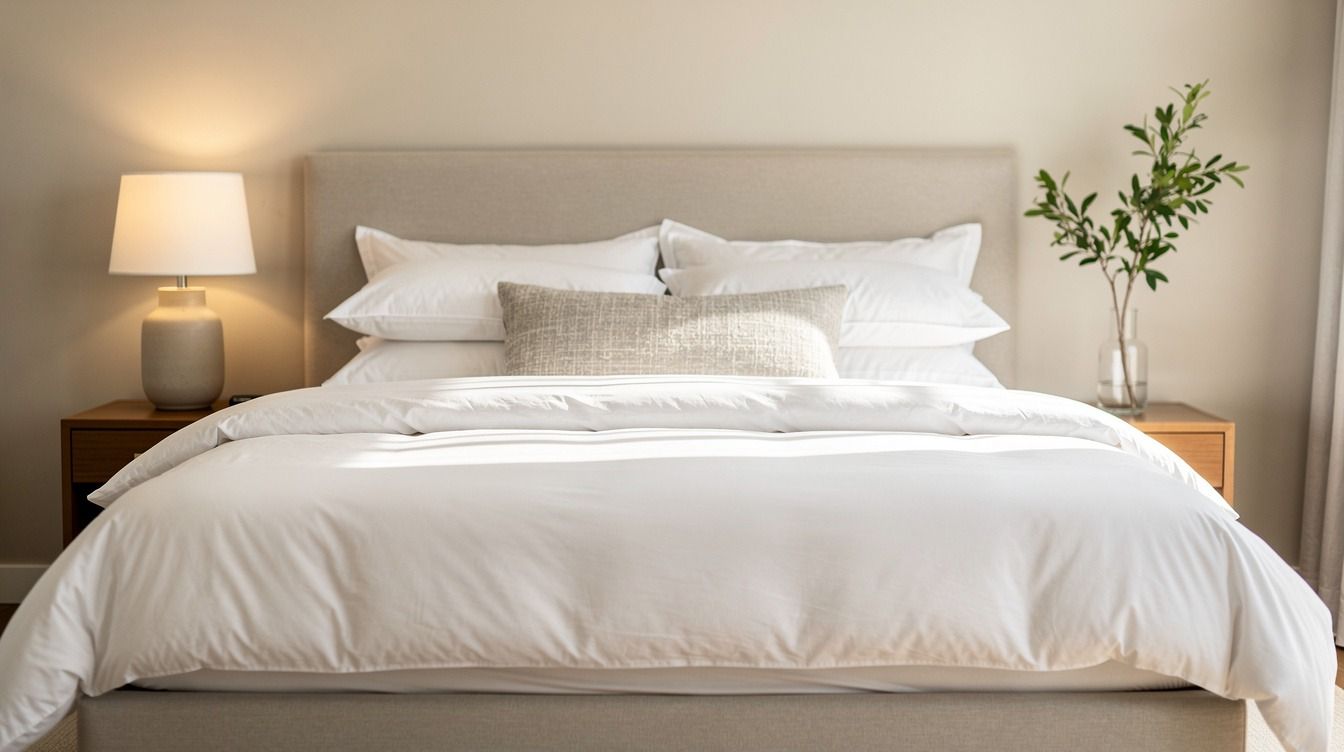
by How hotels make beds look that good naturally came down to one uncomfortable truth in my own bedroom: I was piling pretty things onto a bed that still felt vaguely plastic and tired at 3 a.m.
My room wasn’t terrible. It just looked unfinished, with rumpled gray sheets, too many pillows, and a mattress that made me wake up feeling like I’d slept in a department store display. So I stopped buying decorative extras and rebuilt the bed from the inside out.
The moment I stopped blaming the bedding
For months, I thought I needed a new duvet cover. Maybe a bigger rug.


Maybe one of those dramatic hotel-style headboards I kept saving. But I’d smooth the bed in the morning, walk back in that evening, and it still looked flat.
I think hotel beds look good because they have restraint. Not more stuff. Better layers.
And I knew my mattress was the real problem. It held heat, made every sheet look limp around the edges, and had that odd synthetic smell after I changed the bedding.
Not charming. Not peaceful.
I’d been reading about why hotel beds feel comfortable and realized I wanted that same clean, supported feeling, without making my bedroom feel like a showroom.
I started with the part nobody sees
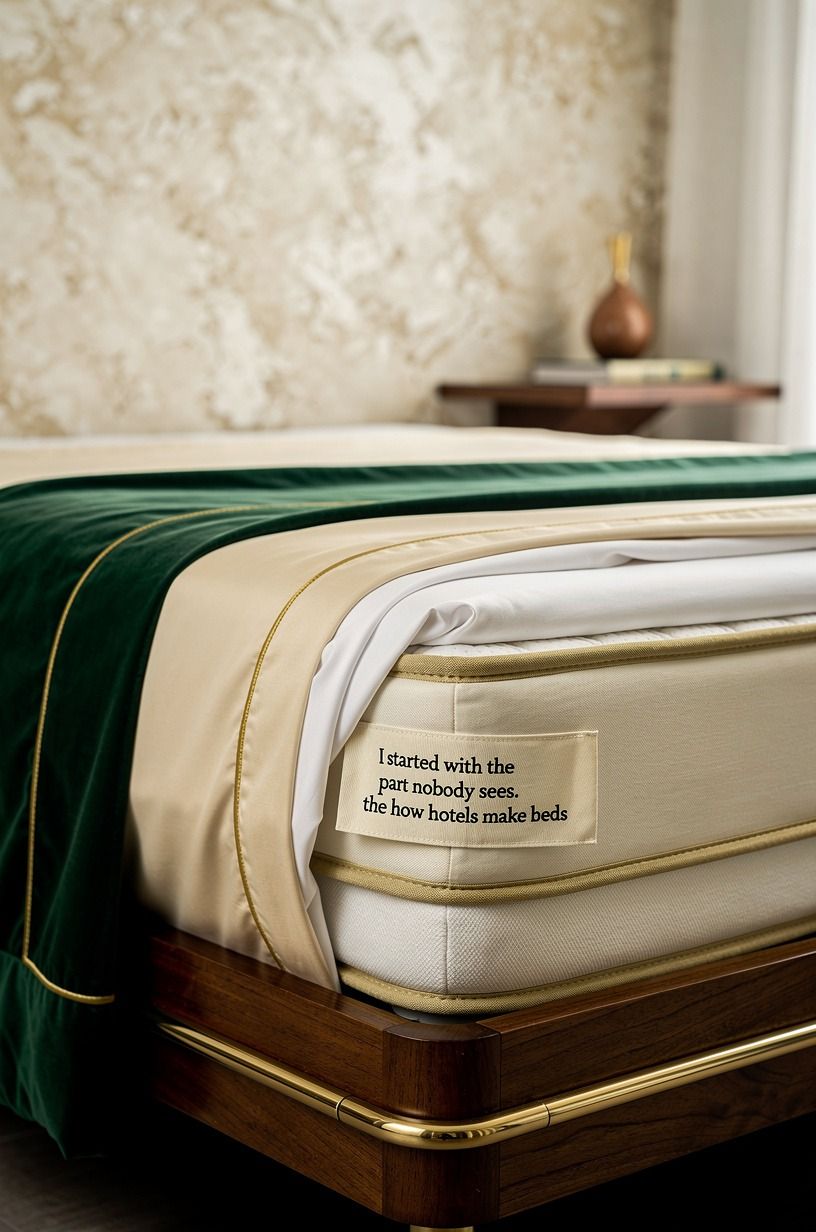
The first real decision was replacing the old mattress with the Saatva Classic. I went back and forth on it because a mattress is not a fun purchase in the way a striped quilt is fun. You can’t photograph it and get instant satisfaction.
But I’m glad I started there.
For me, the difference was in the shape of the made bed. The surface looked more even, the comforter sat higher, and the whole thing stopped slouching toward the middle.
I also slept cooler, which mattered more than I expected. That’s only my experience, of course, but I woke up less irritated by midnight tossing.
A bed has to feel good before it can look good. My opinion, firmly held.
Then I chose white sheets, but not the stiff kind
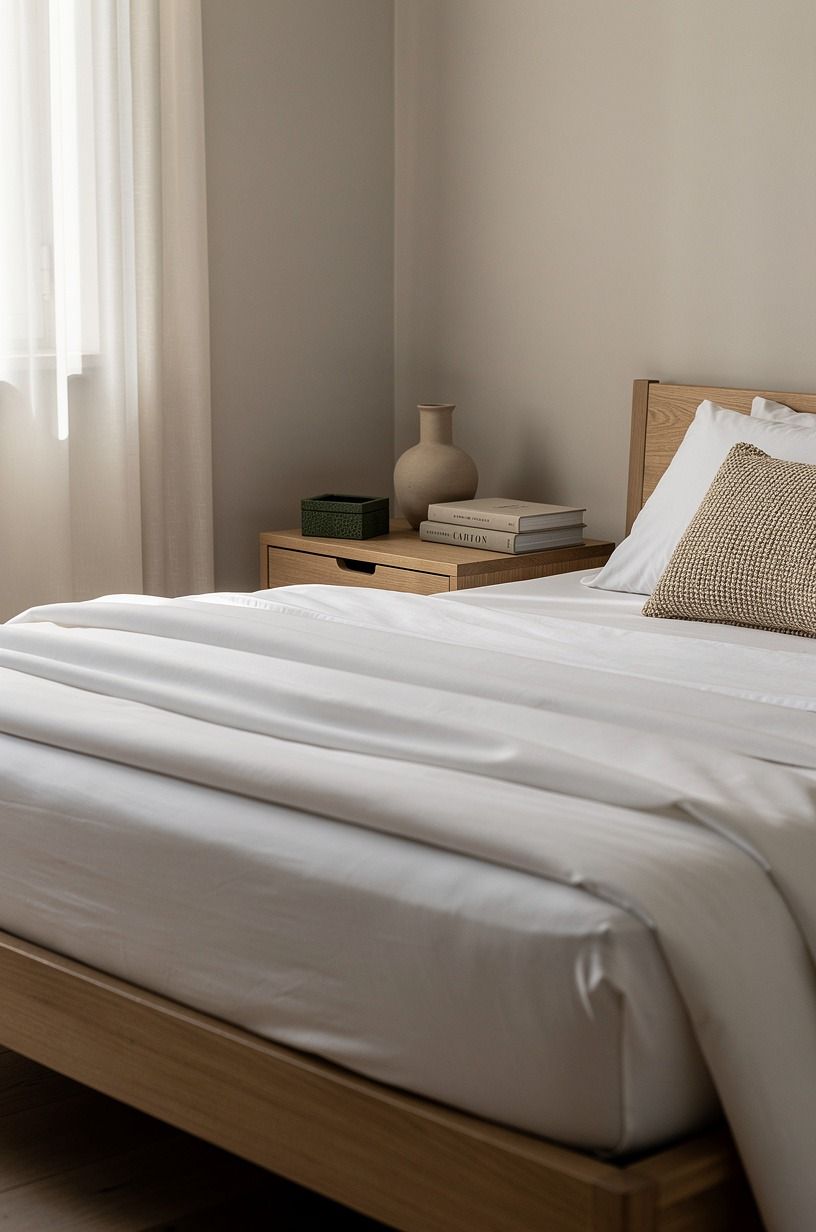
I used to avoid white because I assumed it would feel precious. Instead, white made my small bedroom look calmer before I added a single decorative pillow. I chose Organic Cotton Sheets because I wanted the bed to feel breathable and plain in a good way, like fresh laundry rather than a staged rental.
But white sheets do show life. Mascara, tea, the dog’s paw after he jumped up during a thunderstorm.
I don’t mind that now. I wash them often and keep the rest of the room quieter so the bed can be the bright part.
I’d skip shiny microfiber here. It photographs smooth, sure, but I think it catches light in a slightly slippery way that makes a natural room feel less believable.
The hotel look I wanted was softer. Lived-in. The reason hotels use white sheets made more sense once I saw it in my own room: the color gives your eye a place to rest.
My old duvet was technically fine, which is often the hardest category to replace. Fine is seductive. Fine keeps you from changing anything.
Still, it was thin at the corners and somehow always looked like I’d made the bed in a hurry. I brought in a Down Alternative Comforter, then sized the cover so the edges had enough weight to drape instead of floating above the mattress.
And that was the visual shift.
I folded the top down just enough to expose the sheet, then gave the comforter a small, imperfect shake instead of pulling every corner tight. Hotel housekeeping has polish, but the beds I like most don’t look vacuum-sealed. They look inviting, as if you could slide in with a book and disappear for an hour.
A little unevenness. On purpose.


The Piece My Whole Bedroom Is Built Around
Natural materials, a 365-night home trial, free white glove delivery. Decide in your own room, not a showroom.
My pillow rule is fewer, better, and slightly oversized
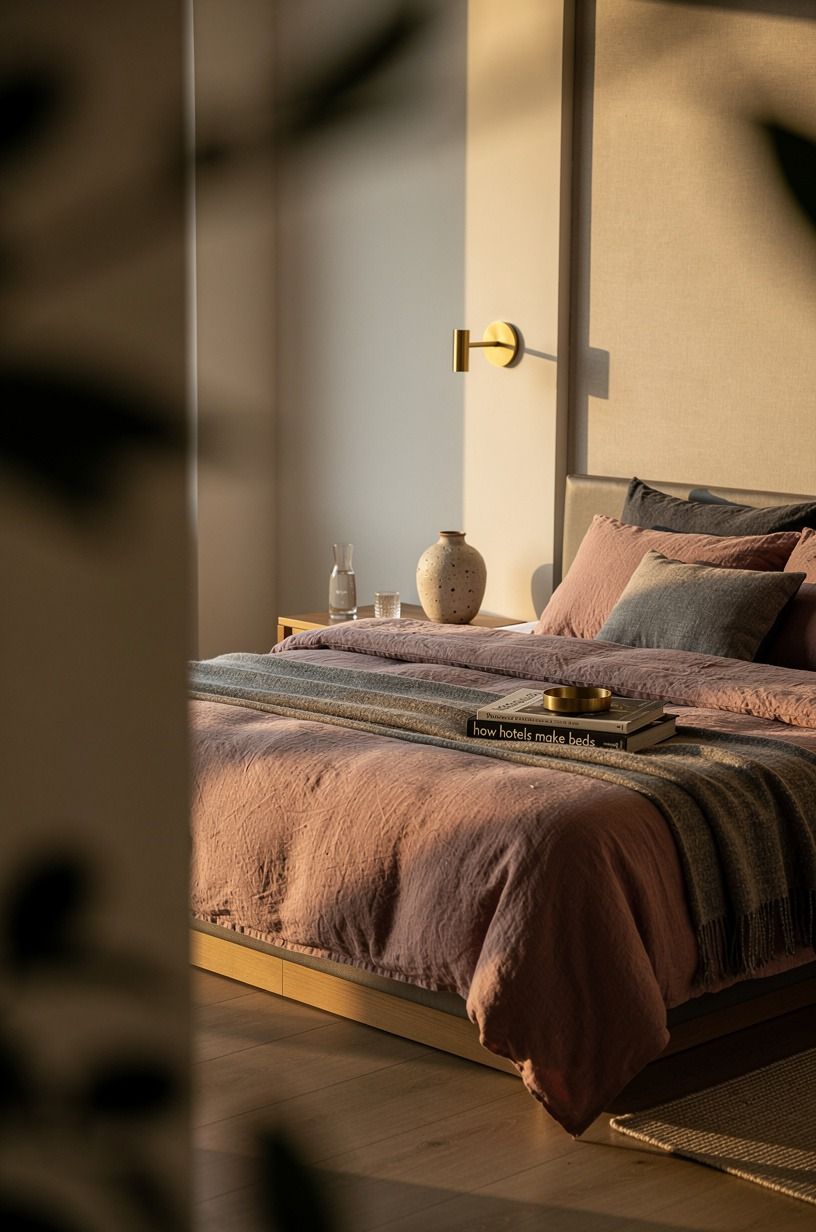
I had seven decorative pillows on this bed at one point. Seven. Every night I moved them to the chair, then the chair became a sad upholstered pile.
So I cut back.
I kept the sleeping pillows generous and used one Organic Quilted Pillow at the front for texture, not because I needed another thing to arrange. The quilted surface added a quiet pattern against the smooth cotton, and it made the bed look layered even on rushed mornings.
I’d rather see two substantial pillows than six tiny ones trying to perform. The smaller stack is easier to make, easier to sleep in, and much more natural. If you’re tempted by a dramatic upholstered frame, I’d look at these modern luxury beds that make the whole room feel expensive before buying random accent pillows.
I let the room around the bed go quieter
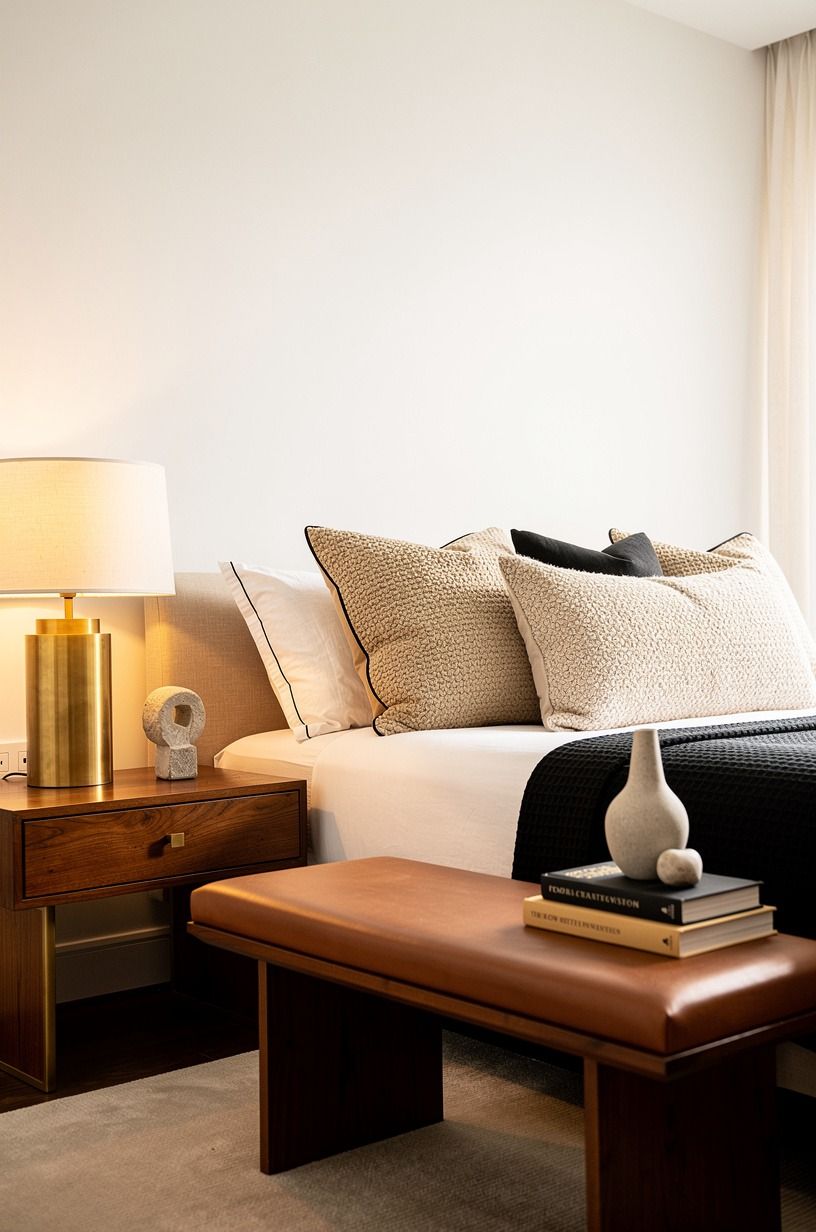
The bed still needed a background. Mine had a cool gray wall that made every cream textile look dingy by late afternoon. I painted it Benjamin Moore White Dove OC-17, a warm off-white that softened the light without turning yellow.
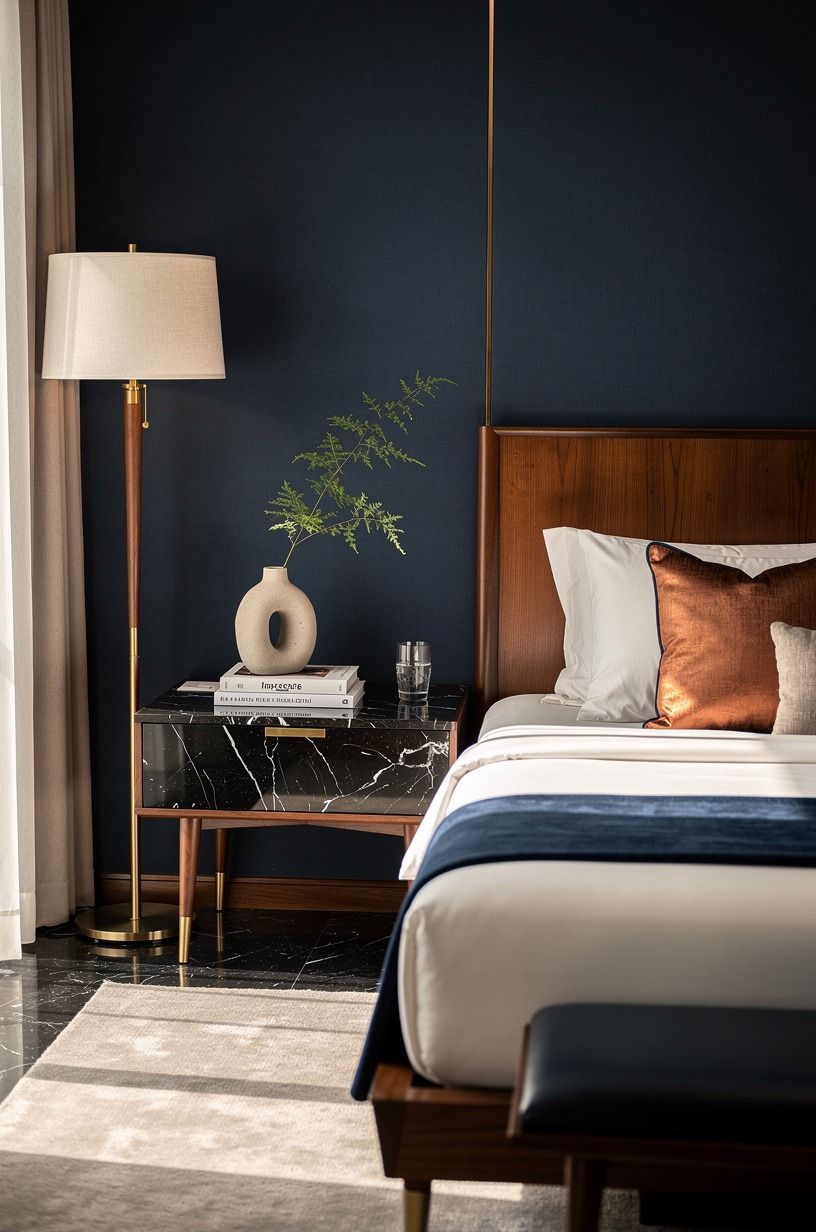
I’m opinionated about this: I wouldn’t choose a dark wall just to make the bed feel dramatic. In a small bedroom, I think deep paint can swallow the clean layers unless you have real daylight and enough contrast in the furniture.
Instead, I added one small lamp beside the bed and kept the overhead light off at night. Three sources per room is the usual guideline, but I only needed a gentle bedside glow and the hallway light nearby.
The room became quieter. The cotton looked warmer.
Even the ordinary oak nightstand stopped bothering me.
But I did keep one framed print above the bed, centered around 57 to 60 inches from the floor. It gave the wall a little structure without competing with the bedding.
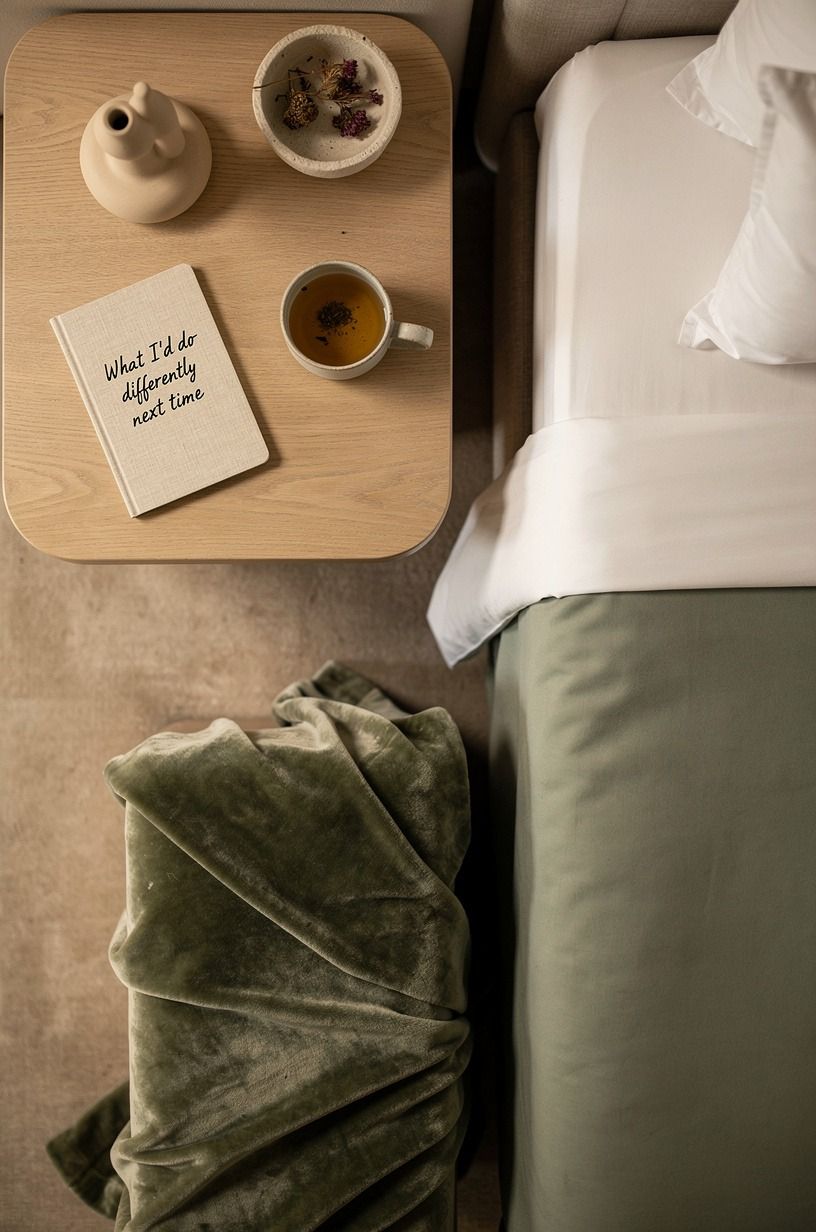
What I’d do differently next time
I wasn’t sure the new comforter was worth it at first. For about two weeks, I regretted the change because I missed the familiar weight of my old duvet, and the new layers looked almost too neat.
Then the bed settled into our routine.
My only real regret is waiting so long to simplify. I bought decorative covers, throw blankets, and pillowcases trying to disguise an uncomfortable foundation. I’d do the reverse now: choose the sleep surface first, then the sheets, then one texture you genuinely like touching.
And I’d never buy bedding in a matching boxed set again. It’s efficient, but it makes a bed look like it came with instructions.
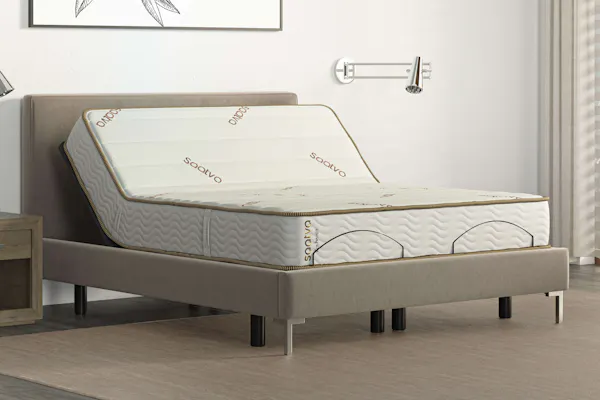 My pick for a healthier bedroomZenhavenTalalay latex, organic cotton, 365-night trial, lifetime warranty, free white glove delivery.See the Zenhaven
Build Your Own Healthier Bedroom
Sale pricing runs on orders over $1,000, and the 365-night trial gives you a full year of nights to be sure.
The detail I notice every morning
If I had to pick one, I’d start with the mattress. You can’t build that softly layered hotel shape over a bed that sinks and wrinkles underneath it. Start there, then let your sheets do less.
Now, when I walk in, the folded white cotton at the top is still slightly rumpled from the night before, and the little quilted pillow catches the morning light.