
 by
by The standard answer is 7-10 years — but that is a starting point, not a rule. A $300 foam mattress and a $1,600 dual-coil hybrid are not the same proposition. The real answer depends on construction type, foam density, body weight, and how much use the mattress sees. Here is the complete picture.
Mattress Lifespan by Type: Data Table
| Mattress Type | Expected Lifespan | Primary Wear Pattern | Durability Rating |
|---|---|---|---|
| Memory Foam (budget, <3lb density) | 4-6 years | Body impressions, loss of pressure relief | Low |
| Memory Foam (mid-range, 3-4lb density) | 7-10 years | Gradual softening, reduced support | Medium |
| Memory Foam (premium, 5lb+ density) | 10-12 years | Slow compression over many years | High |
| Bonnell/Offset Innerspring | 5-7 years | Coil noise, surface sagging | Low |
| Pocketed Coil Hybrid (foam top) | 8-12 years | Foam layer compression before coils | Medium-High |
| Pocketed Coil Hybrid (latex top) | 10-15 years | Very gradual — latex resists compression | High |
| Natural Talalay Latex | 12-20 years | Negligible until very late stage | Very High |
| Saatva Classic (dual-coil) | 12-15 years | Among the most durable hybrid constructions | Very High |
The Main Factors That Determine Mattress Lifespan
1. Materials and Construction Quality
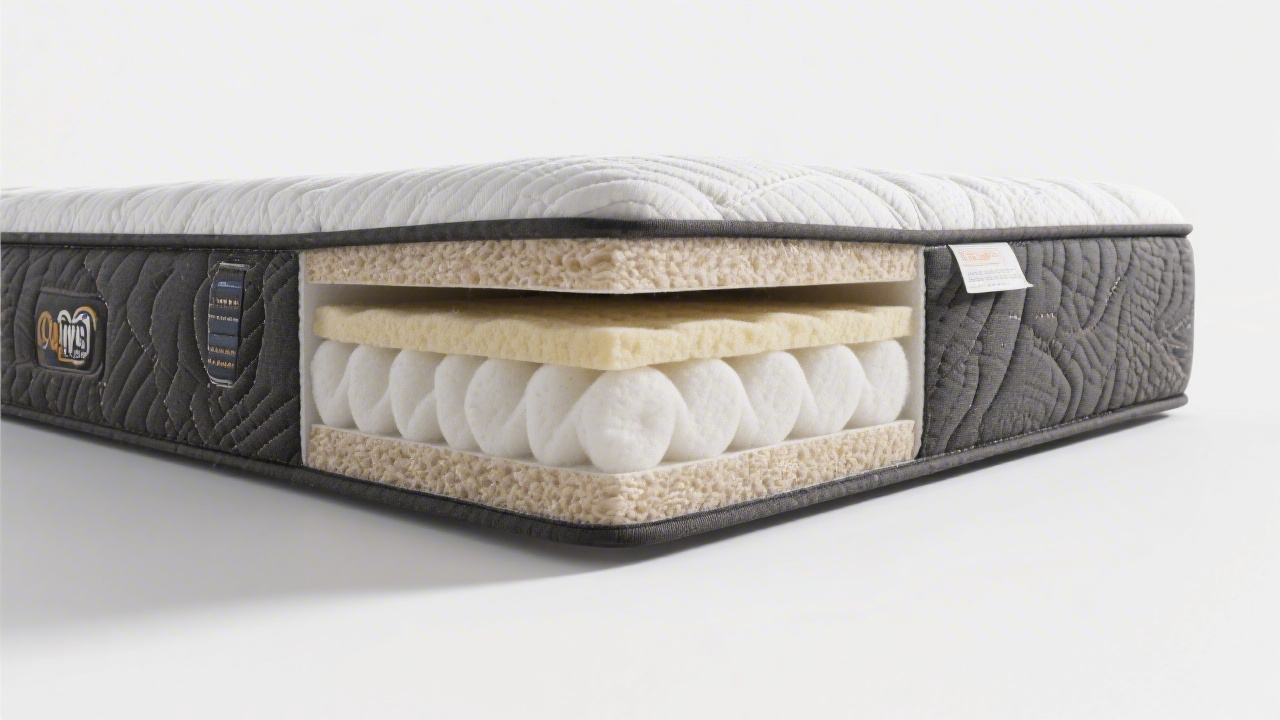
The single strongest predictor of mattress longevity is the density of its foam components and the quality of its coil system. Low-density foam (1.5-2.5 lb/cu ft) is cheap to manufacture and compresses quickly under sustained weight. High-density foam (4-5+ lb/cu ft) resists compression dramatically better and maintains its support properties longer.
For hybrid mattresses, steel quality matters. Tempered steel coils (as used in the Saatva Classic) are heat-treated to maintain elasticity under repeated compression. Untempered coils fatigue faster and develop a permanent set — meaning they no longer return to their original height after bearing weight.
2. Body Weight
Physics matters here. A 130 lb sleeper and a 260 lb sleeper are not applying the same pressure to foam cells and coil springs. Under consistent heavy load, foam cells break down faster. Most mattress brands warrant against impressions deeper than 1.5 inches (some say 1 inch) — but impressions that cause discomfort often appear before they cross that technical threshold.
As a rule, sleepers over 200 lbs should subtract 20-30% from the standard lifespan estimates above for foam components. Coil components are less affected by weight — they are engineered to bear load repeatedly.
3. Sleep Position and Habits
Concentrated pressure in a single area (stomach sleepers, who press their hips into the same zone nightly) accelerates wear in that zone faster than distributed pressure from a back or side sleeper who shifts positions throughout the night. Rotating your mattress 180 degrees every 6 months can meaningfully extend foam lifespan by distributing wear.
4. Mattress Protection
A quality waterproof mattress protector prevents moisture ingress, which accelerates foam breakdown, and reduces dust mite accumulation in the mattress layers. A mattress without a protector in regular use can accumulate significant biological material over years — a hygiene and durability concern.
Signs Your Mattress Needs Replacing
- Visible sagging or indentations deeper than 1.5 inches in sleeping areas
- Waking with back, neck, or hip pain that improves after getting out of bed
- Noticeably better sleep in hotels, guest rooms, or on other surfaces
- Audible coil creaking or spring noise when moving
- Allergic symptoms (dust mites accumulate in mattress materials over years)
- Visible lumps, bumps, or coil protrusions through the surface
- Mattress age over 8 years (foam) or 10 years (hybrid) with consistent daily use
- Partner movement waking you — reduced motion isolation indicates foam degradation
How to Extend Your Mattress Lifespan
- Rotate regularly: 180 degrees every 3-6 months. Flippable mattresses should also be flipped.
- Use a protector: Waterproof protectors prevent moisture and biological accumulation.
- Ensure proper foundation: Inadequate support (sagging box spring, wide slat gaps) accelerates mattress wear.
- Keep it dry: Moisture is foam's enemy. Address spills immediately.
- Avoid sitting on edges repeatedly: Edge foam compresses significantly under seated body weight over time.
The Economics of Replacement
A $600 mattress that needs replacing at year 5 costs $120 per year of use. A $1,595 Saatva Classic that lasts 12-15 years costs $106-$133 per year of use — with significantly superior support and a white-glove installation included. The math favors quality for anyone who plans to use a mattress as a primary sleep surface for more than a few years.
Our Top Pick: Saatva Classic
Luxury innerspring performance, lifetime warranty, and free white-glove delivery — the benchmark every mattress gets tested against.
When to Replace: The Decision Framework
Replace when any of these three conditions are met: (1) You have two or more signs from the checklist above. (2) The mattress is over 8 years old with daily use. (3) You are sleeping noticeably better on other surfaces. Waiting does not save money — it costs sleep quality and can create or worsen physical pain.
Frequently Asked Questions
How long does a memory foam mattress last?
Memory foam mattresses typically last 7-10 years. High-density foam (5 lb/cu ft+) can last 10-12 years. Low-density foam (2-3 lb/cu ft, common in budget mattresses) may show significant compression and body impressions by year 4-6. Body weight is the primary factor — heavier sleepers accelerate foam compression.
How long does a spring mattress last?
Traditional innerspring mattresses last 5-7 years before coil fatigue becomes noticeable. Pocketed coil hybrids last 8-12 years because individual coil wrapping prevents collective sagging. Saatva's dual-coil system — with tempered steel coils specifically engineered for longevity — provides above-average durability in the hybrid category.
How long does a latex mattress last?
Natural latex mattresses are the most durable consumer mattress type, typically lasting 12-20 years. The material is inherently resistant to body impression and structural breakdown. Synthetic latex lasts 8-12 years. If longevity is your primary criterion, natural latex is the material choice — Birch and the Saatva Latex Hybrid both use natural Talalay latex.
What are the signs that a mattress needs replacing?
Key replacement indicators: visible sagging or body impressions deeper than 1.5 inches; waking with back, neck, or joint pain that resolves after getting up; sleeping better in hotels or on other mattresses; visible coil or spring protrusion; allergic reactions suggesting dust mite accumulation; and mattress age exceeding 8-10 years for foam or 10-12 years for quality hybrids.
Does mattress weight affect lifespan?
Significantly. A 250 lb sleeper compresses foam layers at roughly double the rate of a 150 lb sleeper. Mattress warranties typically address impressions based on weight thresholds, and heavier sleepers should anticipate 20-30% shorter practical lifespan from foam components. Coil-based systems are more forgiving — their steel structure is less susceptible to weight-based compression than foam.
Related Guides
Disclosure: MattressNut is reader-supported. We may earn a commission if you buy through our links — at no extra cost to you. We tested every mattress independently.