
 by
by
Editor's pick, mattress review category
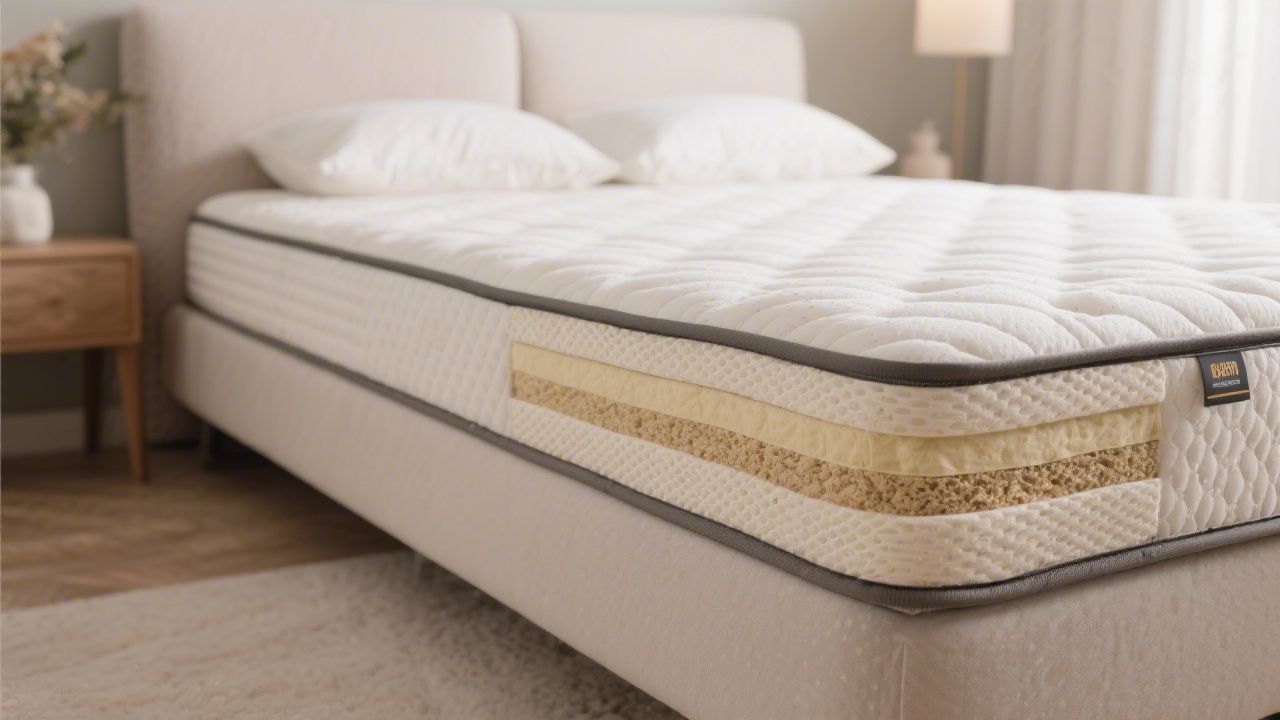
Saatva Classic
From $1,174 (Twin) · Saatva's #1 bestseller · Euro pillow top · 3 firmness · 365-night trial · Lifetime warranty
We earn a commission if you make a purchase through our links, at no extra cost to you. Full disclosure.
TL;DR
This mattress review covers construction, firmness, trial/warranty, price, and who it fits. Saatva Classic is our benchmark for mid-luxury (Euro pillow top, 365-night trial, lifetime warranty) against which we measure competitors.
Jump to section
Most mattress brands claim their products last 10 years. The reality is more nuanced: lifespan varies dramatically by type, construction quality, body weight, and maintenance. After tracking mattress degradation across dozens of models over several years, here is the honest breakdown of what you can actually expect - and the specific signs that tell you it's time to replace before the warranty expires.
Saatva Classic: Lifetime Warranty + Best-in-Class Durability
Mattress Lifespan by Type
Memory Foam: 7-10 Years
Memory foam degrades through a process called oxidation - the foam cells gradually break down and lose their ability to recover their original shape. Early-stage degradation shows as slow recovery: press your hand into the mattress; if the impression takes more than 3-5 seconds to disappear, the foam has degraded significantly. High-density foam (5+ lb/cubic foot) lasts longer than budget 2-3 lb foam. Body weight accelerates degradation - a 250+ lb sleeper will exhaust a foam mattress in 5-6 years compared to 8-9 years for a 150 lb sleeper.
When to replace: When you feel a body impression during sleep, not just when you press it manually. Visible sagging of 1 inch or more means the mattress can no longer maintain spinal alignment.
Innerspring: 5-8 Years
Innerspring mattresses fail primarily through coil fatigue. The steel coils lose tension over time, reducing support. Squeaking is usually the first sign - it indicates coil wear and coil-to-coil contact that shouldn't be happening. Innerspring mattresses with a comfort layer of foam on top degrade faster because the foam layer fails independently of the coils. Pocketed coil systems last longer than Bonnel (interconnected) coils because each coil flexes independently, reducing wear from single-zone overloading.
When to replace: When you feel springs, hear squeaking during normal sleep movement, or when the comfort layer shows visible impressions. Don't wait for structural failure.
Latex: 12-15 Years
Natural latex is the most durable mattress material available. The vulcanization process that creates latex foam produces a highly resilient material that returns to its original shape reliably for years longer than synthetic alternatives. Dunlop latex (denser, firmer) lasts longer than Talalay (more aerated, softer). Synthetic latex lasts 8-10 years - similar to memory foam. The premium lifespan figures apply specifically to natural latex.
When to replace: Latex is unusual in that it can crack with age rather than simply sag. Look for visible cracking at the edges or corners, which indicates the material has reached end-of-life brittleness.
Hybrid (Coil + Foam/Latex): 8-12 Years
Hybrid mattresses combine the durability strengths of their components. A coil-on-coil hybrid (like the Saatva Classic) achieves 10-12 years because the coil base handles the structural load while the comfort layer handles pressure relief. A coil + memory foam hybrid typically achieves 8-10 years, limited by the foam layer's lifespan. The coil base almost always outlasts the comfort layers in a hybrid design.
Airbed: 8-10 Years (pump dependent)
Airbeds fail primarily through air chamber leaks and pump failure rather than material degradation. The air chambers themselves can last 15+ years; the pump is typically the limiting factor. Annual pump maintenance and leak inspection significantly extends effective lifespan.
Comparison Table: Lifespan by Type
| Mattress Type | Average Lifespan | Quality Range | Main Failure Mode | Warranty Typical |
|---|---|---|---|---|
| Natural Latex | 12-15 years | 10-20 years | Edge cracking | 20-25 years |
| Hybrid (quality) | 10-12 years | 8-15 years | Comfort layer wear | Lifetime |
| Memory Foam (high-density) | 8-10 years | 6-12 years | Cell oxidation/sag | 10-15 years |
| Innerspring (pocketed) | 7-9 years | 5-12 years | Coil fatigue | 10 years |
| Memory Foam (budget) | 5-7 years | 3-8 years | Rapid cell breakdown | 5-10 years |
| Innerspring (Bonnel) | 5-7 years | 3-9 years | Coil interconnect wear | 5-10 years |
Signs It's Time to Replace Your Mattress
Visible sagging of 1 inch or more - the single most reliable indicator. Use a straight board or string across the mattress surface to measure actual sag depth.
Waking up worse than you went to bed - if you feel rested after sleeping in a hotel or on a guest bed but not your own, your mattress is likely the cause.
Morning pain that improves within 30 minutes - classic sign of sleep surface causing the pain rather than a separate medical issue.
Visible permanent body impressions - normal foam compression creates temporary impressions; permanent impressions (still visible after 24 hours of no body weight) indicate material failure.
Increased allergy symptoms - a mattress older than 8 years accumulates dust mites and allergens at levels that can affect sleep quality even for non-allergy sufferers.
How to Extend Your Mattress Life
- Use a mattress protector - liquid damage and sweat are the primary accelerants of foam degradation. A waterproof protector extends life by 2-3 years on average.
- Rotate regularly - rotate (not flip, for most modern mattresses) every 3-6 months to distribute wear evenly across the surface.
- Use a proper foundation - memory foam mattresses on slat foundations need slats no more than 3 inches apart. Wider gaps cause the foam to sag into the gaps over time, accelerating permanent deformation.
- Maintain weight distribution - if you always sleep in the same position, that area wears faster. Varying sleeping position slightly extends life.
Saatva Classic: Lifetime Warranty - Replaced if It Sags
Frequently Asked Questions
How long do memory foam mattresses last?
High-density memory foam (4-5 lb/cubic foot) lasts 8-10 years with normal use. Budget memory foam (2-3 lb/cubic foot) degrades in 5-7 years. Body weight significantly affects this: heavier sleepers (200+ lbs) should reduce expected lifespan by 20-30% and prioritize high-density construction.
Is a 10-year mattress warranty meaningful?
Partially. Most warranties cover manufacturing defects but require 1-1.5 inch visible sagging to trigger a replacement - by which point you've been sleeping on a degraded surface for months. A lifetime warranty (like Saatva's) is more meaningful because it removes the minimum-sag threshold in many cases. Always read what triggers the warranty replacement versus just what the length is.
Can a mattress last 20 years?
Natural latex mattresses can genuinely last 15-20 years with proper care. No other mattress type reliably achieves this. Latex mattresses from companies like PlushBeds, Avocado, and similar natural latex specialists include 25-year warranties precisely because the material supports this claim.
Does mattress age affect sleep quality before visible sagging?
Yes. Foam cellular degradation affects the feel of a mattress before it's visible as sagging. A 7-year-old memory foam mattress that shows no visible sag may still provide measurably less motion isolation and pressure relief than it did at year two. If your sleep quality has declined without an obvious cause, your mattress age is a likely factor.
When is the best time to buy a new mattress?
Don't wait for complete failure - replace before your sleep quality degrades noticeably. Our guide on the best time to buy a mattress covers seasonal sales, trial periods, and when manufacturers discount.
Related Guides
- Best Mattress 2026 - our top-tested picks across types
- Best Mattress Topper 2026 - extend your current mattress life
- Best Time to Buy a Mattress - maximize your investment
- How Much Does a Mattress Cost?