
 by
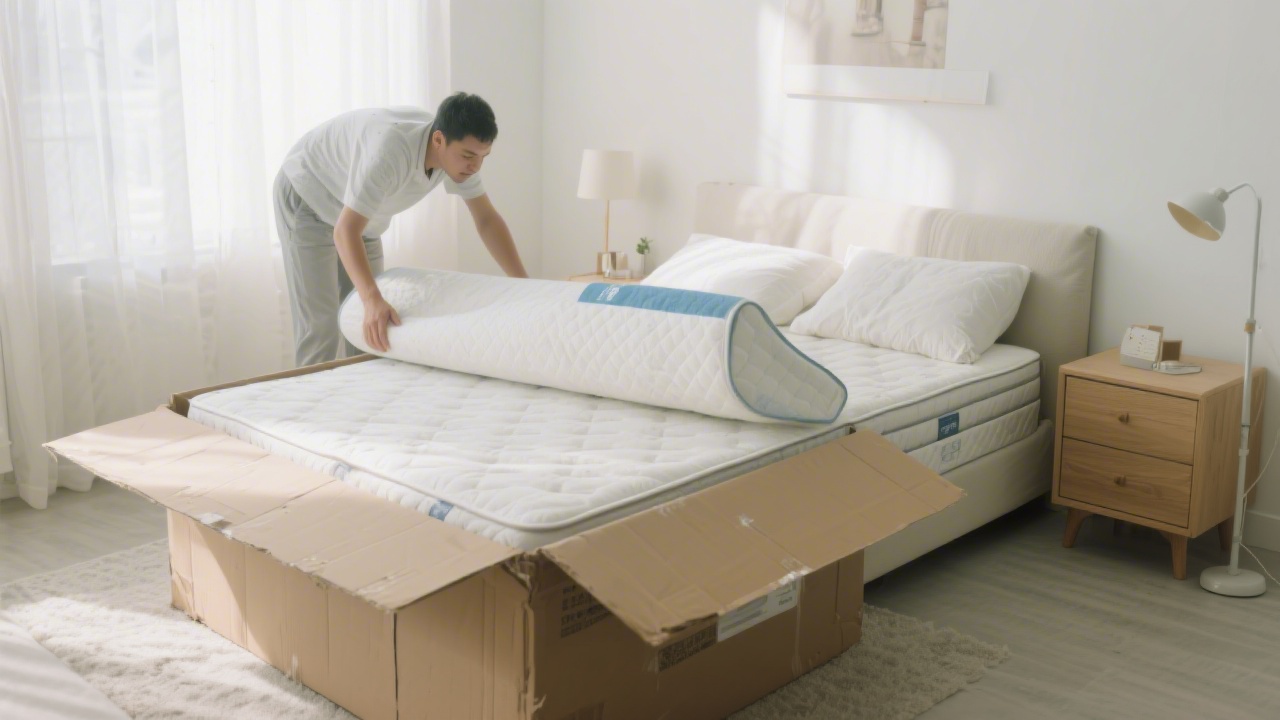
by Saatva Classic includes a 365-night trial — enough time for a full break-in period before you decide.
A new mattress almost never feels the way it will after it has been used. Materials that are compressed, rolled, and boxed for shipping are at their densest and stiffest state. The break-in period is the time it takes for those materials to relax to their intended feel and support characteristics. Understanding how long this takes — and why — prevents returns that should have been continuations.
Break-In Time by Mattress Type
Hybrid Mattresses: 30 to 45 Days
Hybrid mattresses combine pocketed coil systems with foam or latex comfort layers. The coil springs loosen relatively quickly under body weight, and the comfort layers compress to their functional density faster than pure foam. Most hybrid sleepers notice the mattress settling into its intended feel within the first month of regular sleep.
All-Foam and Memory Foam: 45 to 60 Days
Dense foam requires more cycles of compression and decompression before reaching its design feel. Memory foam is particularly temperature-sensitive — in cooler rooms, it remains stiffer longer. If you start sleeping on a memory foam mattress in winter, expect the high end of the break-in window. The first two weeks typically feel noticeably firm; by week six, the surface should have relaxed substantially.
Latex Mattresses: 60 to 90 Days
Natural latex is the most resilient sleep surface, meaning it returns to its original shape more aggressively than foam. This resilience is a long-term durability feature, but it also makes break-in the slowest of any mattress category. Do not judge a latex mattress at 30 days — you are still in the early break-in phase.
Traditional Innerspring: 30 Days or Less
Traditional innerspring mattresses with thin padding layers have minimal break-in requirements. The coil system is already under tension, and the comfort layer is thin enough to compress quickly. If a traditional innerspring feels wrong after 30 days, it is more likely a fit problem than a break-in issue.
Why the Break-In Period Exists
Mattress materials are manufactured to a certain density and firmness, then compressed for shipping. The physical act of regular sleep — body heat, weight, movement — gradually works the materials to their intended state. Think of it like breaking in leather shoes or a baseball glove: the product is correct as manufactured, but use reveals the actual fit.
This is also why showroom mattresses feel immediately comfortable: they have been compressed and tested by thousands of visitors and have long since completed their break-in cycle. Your unboxed mattress at home is earlier in that process.
How to Speed Up the Break-In
Three approaches are consistently effective:
- Sleep on it every night. The single most effective method. Skipping nights or rotating between mattresses slows the process considerably.
- Walk across the surface daily. 5 to 10 minutes of slow, even walking across the full mattress surface compresses all zones and speeds relaxation. This is more effective than simply sitting on the edge.
- Keep the room warm. Foam and latex soften faster above 65 degrees Fahrenheit. If your bedroom runs cold, the break-in period will be longer. Avoid placing the mattress near an exterior wall or air conditioning vent during break-in.
Avoid adding a mattress topper during break-in. A topper prevents direct body pressure from reaching the mattress surface, significantly slowing the process. Wait until break-in is complete before adding any additional layers.
Break-In vs Wrong Mattress: How to Tell the Difference
This is the question that matters most during a sleep trial period. A mattress in break-in typically produces generalized firmness that eases with each passing week. You may feel stiff initially, but without acute localized pain, and the trend is toward improvement.
A mattress that is wrong for your sleep position and body type typically produces specific pain — in the hips for side sleepers on too-firm a surface, in the lower back for back sleepers on too-soft a surface — that either does not change over the first 30 to 45 days or actively worsens. If pain patterns are consistent and not improving by day 45, contact your retailer. Most reputable mattress companies allow returns or exchanges during the trial window for exactly this reason.
What This Means for Sleep Trials
The practical implication: any sleep trial under 90 nights is not long enough to fully evaluate a latex mattress. Trials under 45 nights are marginal for foam models. A 365-night trial is the gold standard precisely because it covers the full break-in period plus several months of stable performance evaluation.
Internal Links
Related guides: How often to replace a mattress | Do you need a mattress protector? | What is pressure relief?
Frequently Asked Questions
How long does it take to break in a new mattress?
Most mattresses require 30 to 90 days of regular sleep to fully break in. The timeline depends primarily on construction type: hybrid mattresses with coil systems typically break in within 30 to 45 days. All-foam models take 45 to 60 days. Latex mattresses are the slowest, often requiring 60 to 90 days before the surface softens to its final feel.
Why does a new mattress feel different from the showroom?
Showroom mattresses have been compressed, rolled, and slept on by hundreds of test sleepers. They have gone through their break-in period before you ever lie on them. Your new mattress at home is at its stiffest, densest state. The materials need consistent pressure and body heat to relax to their design specification.
How can I speed up the break-in process?
Three methods reliably accelerate break-in: sleep on the mattress every night without exception, which is the primary driver; walk slowly across the surface for 5 to 10 minutes daily to compress the foam or coils evenly; ensure the room temperature is at least 65 to 68 degrees Fahrenheit, as cold slows foam relaxation. Do not use a mattress topper during break-in as it prevents direct compression.
How do I know if my mattress just needs more time or is actually wrong for me?
Discomfort from a new mattress is expected. A mattress that needs more time typically feels firmer than expected but you sleep without pain. A mattress that is wrong for you causes specific pain — particularly in hips, shoulders, or lower back — that either does not improve after 30 days or worsens over time. If pain persists past day 45, contact the retailer about your sleep trial.
Does a sleep trial clock start before the break-in period ends?
Yes, sleep trial periods begin at delivery, not at the end of break-in. This is why trials of 100 nights or more are genuinely valuable for mattresses — 30 days is barely enough to break in a latex or dense foam mattress. Trials under 30 nights are essentially only testing the unbroken state.
The 365-night Saatva trial gives you four full seasons — and a full break-in — before committing.
Affiliate disclosure: This site earns a commission from qualifying purchases at no additional cost to you.