
 by
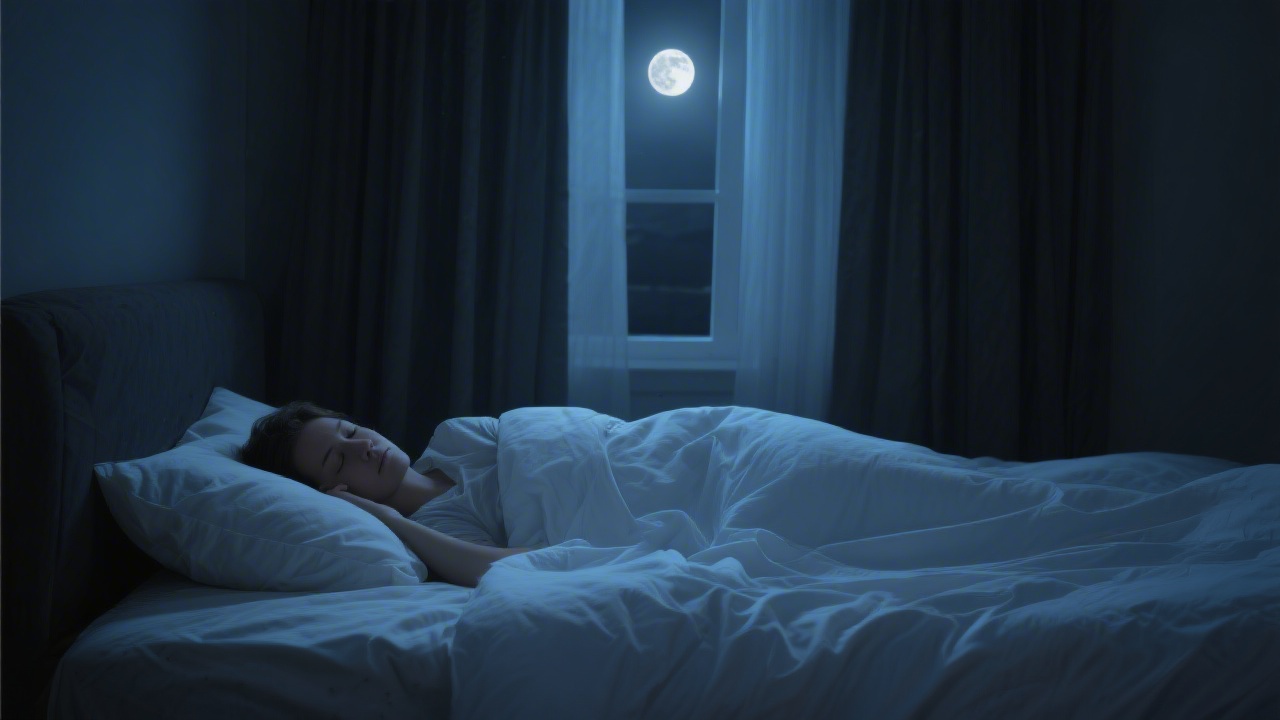
by Deep sleep — Stage N3 or slow-wave sleep — is the most physically restorative phase of your sleep cycle. It is when growth hormone is released, the brain's glymphatic system clears waste, the immune system strengthens, and muscle tissue repairs. Most adults need 90–120 minutes of deep sleep per night and are chronically short of it.
Here are 10 strategies supported by sleep research to increase your deep sleep percentage, ranked by evidence quality and practical impact.
1. Optimize Your Mattress Firmness and Pressure Relief
Pressure points — particularly at the hips, shoulders, and lower back — generate micro-arousals that pull you out of N3 deep sleep back into lighter stages. A mattress that properly distributes your body weight prevents this fragmentation. Research on pressure mapping consistently shows that hybrid mattresses with conforming comfort layers and responsive support layers reduce nighttime repositioning events by 30–50% compared to overly firm mattresses.
For most adults, a medium-firm mattress with at least 2 inches of conforming comfort layer provides the optimal balance. The pillow-top mattress design achieves this specifically. For those with joint issues, see the best mattress for joint pain.
2. Keep Your Bedroom Temperature at 65–68°F (18–20°C)
Core body temperature must drop approximately 1–2°F to initiate and maintain deep sleep. A bedroom that is too warm prevents this thermoregulation, reducing N3 time significantly. The 65–68°F range is the most-cited optimal zone, though individuals vary. Cooling mattress covers and breathable bedding (organic cotton, Tencel) support thermoregulation from below.
3. Eliminate Alcohol Within 3 Hours of Bedtime
Alcohol has a sedative effect that helps you fall asleep faster — but at a serious cost to sleep architecture. It suppresses REM and deep sleep in the first half of the night by up to 40% and causes rebound arousal in the second half. Even one drink within 3 hours of bedtime measurably reduces deep sleep percentage.
4. Exercise Consistently, But Not Too Close to Bedtime
Moderate-to-vigorous aerobic exercise increases slow-wave sleep (N3) the following night — this is one of the most robust findings in sleep research. The mechanism involves increased adenosine (sleep pressure) accumulation and elevated core body temperature during exercise, which produces a compensatory temperature drop during sleep. Aim for 30+ minutes of moderate cardio 5+ hours before bedtime. Morning or afternoon exercise is ideal.
5. Maintain a Consistent Sleep Schedule 7 Days a Week
Circadian misalignment — sleeping at different times on different days — disproportionately reduces deep sleep. Your N3 sleep is most concentrated in the first few hours after sleep onset at your habitual bedtime. When you shift your schedule, the timing of your deep sleep relative to your circadian clock becomes inefficient. A consistent sleep schedule is non-negotiable for deep sleep optimization.
6. Avoid Blue Light Exposure After 9 PM
Blue light from screens suppresses melatonin production and delays sleep onset. When sleep onset is delayed, you compress the early-night window when N3 is densest. The net effect is reduced deep sleep duration even if total sleep time remains the same. Use blue light filters (f.lux, Night Shift) or shift to warm lighting 2+ hours before your target bedtime.
7. Take a Warm Shower or Bath 90 Minutes Before Bed
A warm shower 90 minutes before bedtime paradoxically improves sleep by drawing blood to the skin's surface, facilitating core body heat dissipation afterward. A meta-analysis of 13 studies found that a 10-minute warm bath or shower (104°F / 40°C) taken 1–2 hours before sleep improved sleep quality and increased deep sleep by approximately 10 minutes per night.
8. Limit Caffeine After 1 PM
Caffeine blocks adenosine receptors — the same adenosine accumulation that drives deep sleep pressure. Caffeine has a half-life of 5–7 hours, meaning a 2 PM coffee still has 50% of its adenosine-blocking effect at 9 PM. Cutting caffeine by 1 PM (or earlier for sensitive individuals) allows full sleep pressure to build by bedtime, increasing deep sleep entry speed and duration.
9. Reduce Nighttime Noise and Light
Deep sleep (N3) is the most resilient to noise arousal compared to lighter stages, but intermittent noise (traffic, snoring, notifications) still causes sufficient arousal to fragment the sleep cycle. Earplugs, white noise machines, or a white noise machine for sleep buffer against acoustic disruption. Complete darkness supports melatonin persistence through the night.
10. Consider Magnesium Glycinate Supplementation
Magnesium glycinate (not magnesium oxide, which has poor bioavailability) has been shown in multiple randomized controlled trials to increase slow-wave sleep in adults over 50. Magnesium acts on GABA receptors, reducing cortical arousal and facilitating N3 entry. The effective dose is typically 300–400mg taken 1 hour before bed. It is one of the few supplements with genuine sleep-stage evidence behind it.
Understanding what happens in each stage of sleep gives context for why these strategies target the specific physiological mechanisms that gate N3 access.
Your deep sleep strategy starts with your sleep surface.
The Saatva Classic is engineered to support deep sleep — its coil-on-coil construction provides responsive support without pressure buildup, and the organic cotton Euro pillow top conforms to your body to prevent the micro-arousals that fragment N3 sleep.
Frequently Asked Questions
Key Takeaways
- 1. Optimize Your Mattress Firmness and Pressure Relief: a key factor in making the right sleeping decision.
- 2. Keep Your Bedroom Temperature at 65–68°F (18–20°C): a key factor in making the right sleeping decision.
- Deep sleep — Stage N3 or slow-wave sleep — is the most physically restorative phase of your sleep cycle.
- It is when growth hormone is released, the brain's glymphatic system clears waste, the immune system strengthens, and muscle tissue repairs.
- Most adults need 90–120 minutes of deep sleep per night and are chronically short of it.
Our Top Pick: Saatva Classic
Voted best luxury innerspring mattress with exceptional lumbar support and white-glove delivery.
Check Price & AvailabilityHow much deep sleep do adults need per night?
Adults need approximately 13-23% of their total sleep in deep (N3) slow-wave sleep. For a 7.5-hour sleep period, this translates to 60-105 minutes. Deep sleep percentage naturally declines with age — adults over 60 may average closer to 10-15%.
How do you know if you're getting enough deep sleep?
Without a sleep tracker, the best indicator is morning recovery quality. If you wake feeling physically restored, mentally clear, and without muscle soreness, you are likely getting adequate deep sleep. Waking still tired after 7+ hours often indicates deep sleep fragmentation rather than insufficient total sleep.
Does melatonin increase deep sleep?
Melatonin primarily affects sleep timing (circadian phase), not sleep depth. It is effective for jet lag and delayed sleep phase disorder, but it does not directly increase N3 slow-wave sleep percentage. Magnesium glycinate has stronger evidence for improving actual deep sleep duration.
Can you increase deep sleep without supplements?
Yes. Exercise, consistent sleep scheduling, bedroom temperature optimization, alcohol avoidance, and blue light reduction all have strong evidence for increasing deep sleep percentage without supplements. These lifestyle factors have larger effect sizes than any supplement for most adults.
Why am I not getting deep sleep even though I sleep 8 hours?
Common causes include alcohol consumption, sleep apnea, mattress pressure points causing micro-arousals, a bedroom that is too warm, irregular sleep schedule (social jet lag), or high evening cortisol from late-night stress or exercise. Total sleep time and sleep quality are separate variables.