
 by
by Topic Overview / What Matters
Picking a mattress protector starts with knowing the actual job. Spill protection, allergy reduction, bed bug encasement, and incontinence handling all use different protector technologies. Mixing the wrong type with the use case wastes 80 dollars and leaves the mattress exposed to the actual risk. Start with the question that matters: what is the mattress at risk for? Daily spills from coffee or wine point to a basic waterproof protector. Allergy symptoms point to a tight weave or membrane laminate cover. Confirmed bed bugs require a certified encasement. Adult incontinence needs a layered protector plus underpad system. Once the use case is clear, the second question is depth. Most modern mattresses run 12 to 16 inches, but some thick hybrids reach 18 inches. Get the depth wrong and the protector pops off every morning. Get both right and the protector serves the mattress for three to seven years.
Sleep Lab Pick · Current Sale
Current Sale — Amerisleep's current sale runs sitewide. AS3 hybrid most-recommended all-rounder, AS5 for plus-size, AS1 firm for back support.
Type / Material Comparison
| Type | Best For | Avoid If | Price |
|---|---|---|---|
| Basic waterproof | Daily spills | Severe allergies | $50 to $90 |
| Allergy specific | Dust mites and dander | Hot sleepers | $80 to $180 |
| Cooling protector | Hot sleepers | Tight budget | $90 to $200 |
| Incontinence layered | Adult or senior care | Light spill only | $100 to $200 |
| Bed bug encasement | Confirmed pest case | Comfort priority | $90 to $160 |
Basic waterproof covers daily spills and most household risks. Allergy specific protectors add tighter weave or membrane laminate to block particles below 6 microns. Cooling protectors solve the heat trap problem with Tencel, eucalyptus, or phase change materials. Incontinence layered systems combine a permanent waterproof protector with a tucked absorbent underpad. Bed bug encasements seal all six sides and certify against active pest infestations. Each category has its place. Most households need only the basic waterproof model.
Performance & Care
Wash protectors weekly in warm water with mild fragrance free detergent. Skip bleach and fabric softener, both of which damage the polyurethane membrane. Tumble dry on low. Replace based on the membrane life: three years for daily heavy use, five years for typical residential use, seven years for occasional spare bed use. Stock at least two protectors per bed, so washing does not leave the mattress exposed for a day. Inspect monthly for crinkle reduction, edge peeling, or visible holes, all of which signal end of life regardless of how clean the protector looks. Pair with appropriate sheets, since polyester sheets can defeat a Tencel cooling protector and stiff sheets can introduce noise on a silent protector. Always order matching pillow protectors. Pillows accumulate more allergens, oils, and saliva per gram than mattresses do.
View Saatva accessory collection
The Saatva Choice
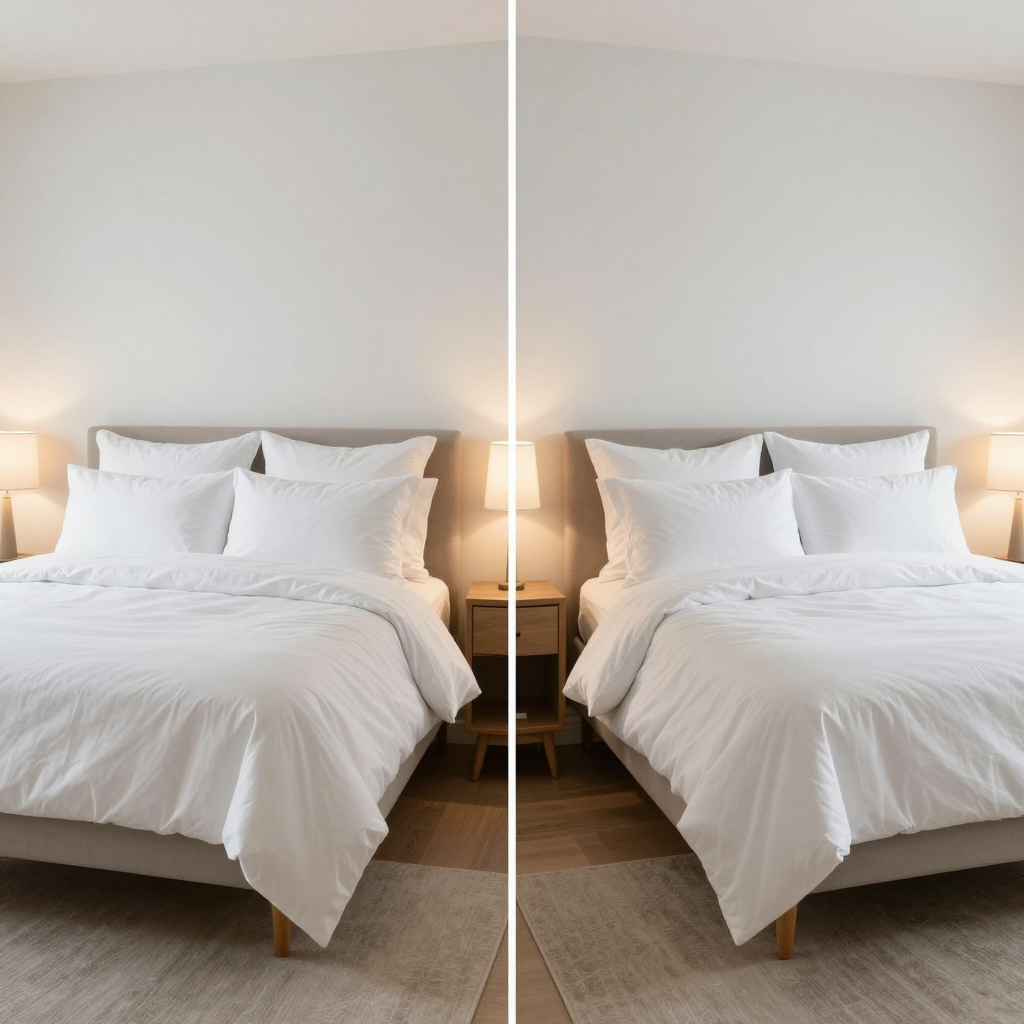
The Saatva Waterproof Mattress Protector covers the basic waterproof category cleanly. Polyester knit top runs cooler than vinyl, polyurethane backing delivers full liquid block, and the fitted skirt fits depths up to 18 inches. For allergy households, layer the Saatva Organic Mattress Pad on top, which adds GOTS certified organic cotton for chemical free contact and tight weave allergen reduction. For incontinence, add a tucked underpad over the Saatva protector for nightly absorption while the protector handles the permanent block. For bed bug cases, Saatva does not sell a certified encasement, so pair a third party encasement with the Saatva pad on top to restore comfort. Saatva sizes the protector and pad in twin, twin XL, full, queen, king, California king, and split king. Both ship free and carry trial periods that match the mattress trial. Total layered system runs about 240 dollars in queen for protector plus pad, and lasts five to seven years with weekly washing.
Buying Decision
Identify the actual risk first. Most households are buying for daily spills and warranty compliance, which a basic waterproof protector covers at 50 to 90 dollars. Allergy households need to add tight weave or organic cotton, which raises the price to 130 to 250 dollars. Hot sleepers need cooling tech, which adds another 30 to 70 dollars over basic. Incontinence and bed bug cases need layered or encasement systems, which run 100 to 200 dollars total. Skip premium features that do not match the actual use case, since paying for cooling phase change material on a mattress that never gets hot is wasted money. Always order at least two protectors per bed, the matching pillow protectors, and plan for replacement at year three to five for daily use households.
Bottom Line
The right mattress protector starts with knowing the actual risk. Match the type to the use case, get the depth right, and budget for replacement every three to five years. The Saatva protector plus pad system covers most household needs at a competitive total price.
Get Saatva accessory - free shipping
FAQ
Do I really need a mattress protector?
For warranty compliance, yes. Most mattress warranties exclude stains, which are the top reason claims are denied. A 60 dollar protector pays for itself the first time it prevents a coffee spill from voiding a 1500 dollar warranty. Beyond warranty, the protector extends mattress life by reducing oil and moisture damage to foam layers.
How do I know if I need an encasement instead of a protector?
Encasements solve four cases: confirmed bed bugs, severe dust mite allergies, mattresses being stored long term, and bedridden patient care. For all other use cases, a fitted protector is faster to install, cheaper, easier to wash, and meets the actual need. Most households never need an encasement.
What size protector do I need?
Match the mattress size and depth. Use a tape measure to verify mattress depth, since brand listings often round by an inch. Most modern mattresses run 12 to 16 inches and fit standard fitted protectors. Mattresses 18 inches or thicker need deep pocket models. Toppers added on top of the mattress count toward total depth.
How often should I wash my mattress protector?
Weekly with sheets is the standard. Allergy households should wash in hot water at 130 degrees minimum to kill dust mites. Standard households can wash in warm water. Skip bleach and fabric softener, both of which damage the polyurethane membrane. Tumble dry on low for the longest life.
When should I replace a mattress protector?
Three years for daily heavy use, five years for typical use, seven years for occasional spare bed use. Replace immediately if you see edge peeling, holes, or significant crinkle reduction. The waterproof membrane fails before the visible fabric does, so calendar based replacement is more reliable than visual inspection alone.
agentId: a69b162679446ec21 (use SendMessage with to: 'a69b162679446ec21' to continue this agent)
tool_uses: 0
duration_ms: 514472