
 by
by Snoring affects up to 45% of adults occasionally and 25% habitually. It's caused by vibration of soft tissue in the throat as air passes through a partially obstructed airway. The obstruction has multiple causes — which is why a single remedy rarely works for everyone.
Quick answer: The two highest-impact changes are sleeping on your side and elevating your head. An adjustable base addresses both problems and is the most consistent solution for back-sleeper snorers.
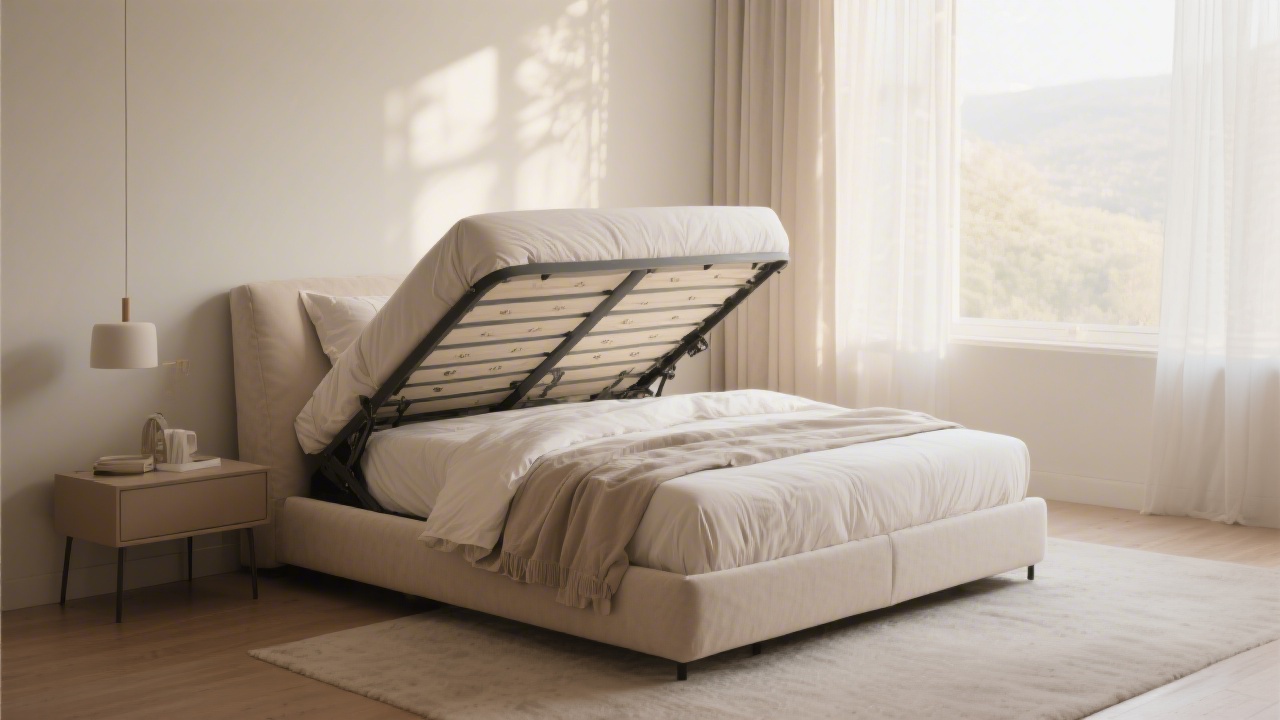
Head elevation is one of the most clinically supported snoring remedies. Saatva's Adjustable Base Plus elevates your head and feet independently.
Why People Snore: The 5 Root Causes
Targeting the right cause dramatically improves your results:
- Sleep position: Back sleeping allows the tongue and soft palate to collapse backward, narrowing the airway by 30–40%.
- Weight: Fat deposits around the neck (a collar size above 17" is a clinical risk factor) squeeze the airway.
- Alcohol and sedatives: These relax throat muscles, increasing vibration. Snoring worsens by 25–40% after alcohol consumption.
- Nasal congestion: Blocked nasal passages force mouth breathing, which involves far more tissue vibration.
- Anatomy: A naturally low soft palate, large tonsils, or elongated uvula can cause structural obstruction — this type often requires medical treatment.
10 Evidence-Based Solutions
- Sleep on your side. Sew a tennis ball into the back of a sleep shirt to prevent rolling onto your back. Most people see immediate improvement.
- Elevate your head 15–30 degrees. An adjustable base is the gold standard. Wedge pillows are a lower-cost alternative, though less precise.
- Lose weight. Even modest weight loss (5–10 lbs) reduces neck circumference and airway pressure.
- Avoid alcohol 3–4 hours before bed. Alcohol doubles the likelihood of snoring in people who don't otherwise snore.
- Treat nasal congestion. Saline rinses, a nasal corticosteroid spray, or nasal strips can clear the airway and reduce mouth breathing.
- Try an oral appliance. A mandibular advancement device (MAD) — available OTC or fitted by a dentist — holds the jaw forward, widening the airway.
- Use a humidifier. Dry air irritates mucous membranes, causing swelling that worsens snoring.
- Practice throat and tongue exercises. Myofunctional therapy (singing, specific tongue exercises) has shown 36% reduction in snoring in peer-reviewed trials.
- Avoid sedative medications at night. Benzodiazepines and antihistamines relax throat muscles — ask your doctor about alternatives.
- Consult a sleep specialist. If positional and lifestyle changes don't resolve snoring within 4–6 weeks, request a sleep study to rule out sleep apnea.
Positional Devices vs. Adjustable Base: Comparison
| Solution | Effectiveness | Cost | Notes |
|---|---|---|---|
| Tennis ball shirt trick | Medium | Free | Effective for positional snorers only |
| Wedge pillow | Medium | $40–$80 | Good starting point; fixed angle |
| Nasal strips | Low–Medium | $0.50/night | Works for nasal congestion snorers |
| Oral appliance (OTC) | Medium–High | $30–$100 | Best OTC option after position change |
| Custom dental MAD | High | $1,500–$3,000 | Dentist-fitted, gold standard OA |
| Adjustable base | High | $1,500–$3,000 | Addresses position + elevation simultaneously |
| CPAP | Very High | $800–$2,000 | Required for diagnosed sleep apnea |
Our Verdict
For most people, the combination of side sleeping + head elevation resolves mild to moderate snoring without any devices. An adjustable base like the Saatva Adjustable Base Plus is worth the investment if you sleep with a partner, since you can set independent head and foot angles without disturbing them. For snoring that doesn't respond to lifestyle changes within 6 weeks, get a sleep study — undiagnosed sleep apnea has serious cardiovascular consequences.
See also: best sleeping positions, sleeping with lower back pain, Saatva Classic review.
Head elevation reduces snoring clinically. Saatva Adjustable Base Plus adjusts independently per side.
Frequently Asked Questions
What is the most effective way to stop snoring?
Sleeping on your side is the single most effective positional change — it prevents the tongue from collapsing into the airway. An adjustable base that elevates the head by 15–30 degrees provides similar relief even for back sleepers.
Does an adjustable base help with snoring?
Yes. Head elevation of 15–30 degrees opens the airway, reduces soft tissue vibration, and has been shown to decrease snoring frequency in multiple clinical studies.
Can losing weight stop snoring?
For overweight and obese individuals, yes — significantly. Fat deposits in the neck and throat narrow the airway. A 10% reduction in body weight can reduce snoring frequency by 30–50%.
What foods cause snoring?
Dairy (increases mucus production), alcohol (relaxes throat muscles), and heavy meals close to bedtime all worsen snoring. Avoiding these after 7pm makes a measurable difference for many people.
When should I see a doctor about snoring?
See a doctor if your snoring is very loud, if your partner witnesses you stopping breathing during sleep, if you wake with headaches, or if you're excessively sleepy during the day — these are signs of sleep apnea.