
 by
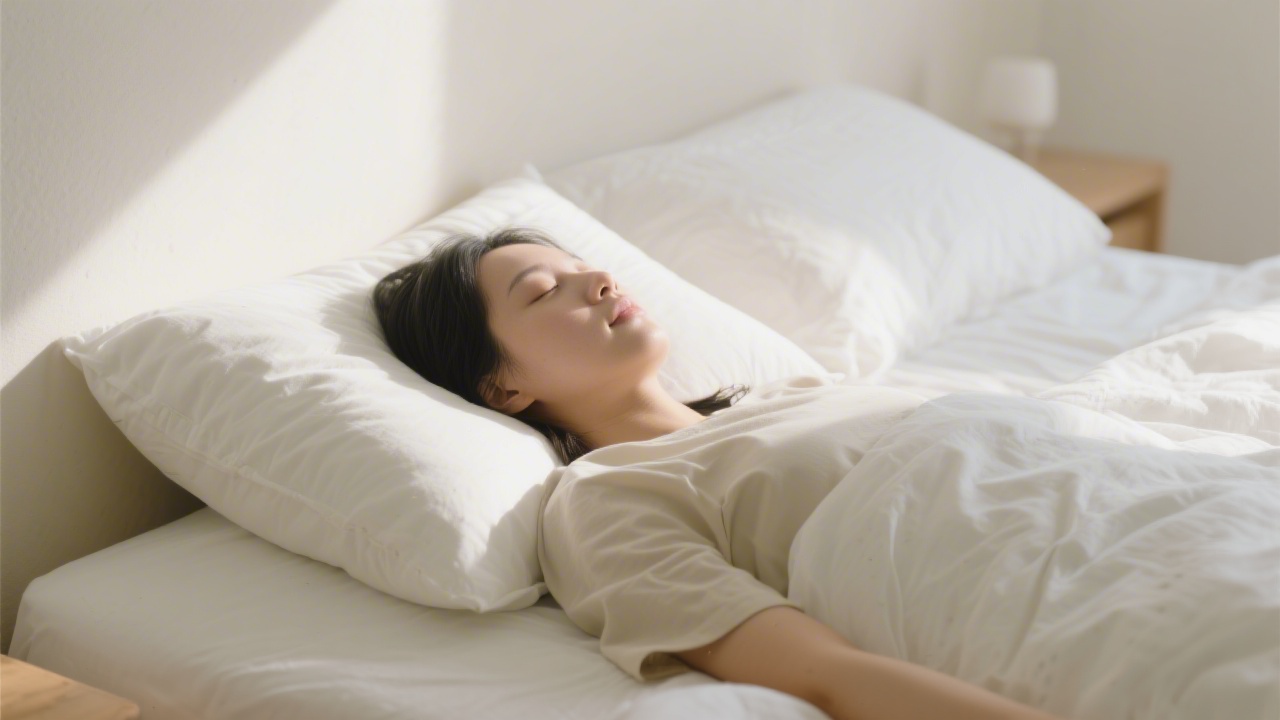
by Back sleeping is the position most often recommended by orthopedists and physical therapists for spinal alignment. The problem: most people are side sleepers by habit, and the body naturally rolls to its preferred position during sleep. Here is a practical, evidence-based method to retrain yourself -- and the equipment that makes it easier to maintain.
Why Back Sleeping Is Worth Pursuing
In the supine (back sleeping) position, the spine maintains its natural S-curve without lateral stress. The neck, thoracic spine, and lumbar region all remain in neutral alignment when the mattress provides appropriate support. Side sleeping introduces lateral flexion; stomach sleeping forces lumbar extension and rotates the neck -- both create asymmetric load on spinal structures over 7-8 hours per night. Back sleeping distributes weight more evenly across a larger surface area and is the only position that keeps all spinal segments neutral simultaneously.
6 Techniques to Train Back Sleeping
1. Body Pillow Barriers
Place a firm body pillow (or two rolled towels in pillowcases) along each side of your torso. This creates a mechanical barrier that prevents unconscious rolling. It is the single most effective method because it does not depend on willpower or waking up. Use this for at least 3 weeks consistently to build the new default position.
2. Lumbar Roll Support
A small rolled towel or lumbar pillow placed under the lower back fills the natural curve of the lumbar spine, making the back position more comfortable and less likely to prompt position changes. The absence of lumbar support is one reason back sleeping initially feels uncomfortable for habitual side sleepers.
3. Knee Pillow
Place a pillow under your knees (not behind them -- directly under). This slightly flexes the hip joints, releasing tension in the hip flexors and psoas muscles that often make flat back sleeping uncomfortable. A 6-8 inch roll height under the knees is the standard recommendation from physical therapists for back sleeping comfort.
4. Lower Pillow Height
If you use a pillow designed for side sleeping (4-6 inch loft), switch to a back-sleep specific pillow with 3-4 inch loft. High pillows push the neck into forward flexion, making back sleeping uncomfortable and increasing the incentive to roll sideways. A cervical contour pillow with a depression in the center for the head and raised edges for the neck works well.
5. Tennis Ball Method
Sew a tennis ball into the back of a sleep shirt, or use a back-sleeping trainer vest. When you roll to your side, the discomfort of the ball wakes you enough to reposition. This is a behavioral intervention -- less comfortable than body pillows but effective for light sleepers who can reposition consciously with minimal waking disruption.
6. Consistent Sleep Schedule
Deep sleep stages (N3, REM) produce the most position movement. Going to bed and waking at consistent times reduces sleep fragmentation and the restless repositioning that comes with light, fragmented sleep. Consistent schedules make any position training more effective.
The Right Mattress for Back Sleepers
Back sleepers need a medium-firm to firm mattress that prevents lumbar sinkage while still cushioning the shoulder blades and sacrum. A mattress that is too soft allows the hips to sink deeper than the shoulders, creating a hammock shape that strains the lumbar spine over the course of the night. A mattress that is too firm does not fill the lumbar curve, creating a suspension bridge of sorts between the shoulders and hips with no mid-back support.
The sweet spot for most back sleepers is IFD 28-36 (medium-firm to firm). The Saatva Classic Luxury Firm rates a 6 on the standard 1-10 firmness scale and is specifically validated by the Congress of Chiropractic State Associations -- one of the few mattresses with that credential. For detailed position-specific guidance, see our best mattress for back pain guide. If you are transitioning from side sleeping, our best mattress for side sleepers comparison shows what you are likely leaving behind.
Timeline: What to Expect
| Week | What Happens |
|---|---|
| 1-2 | Frequent rolling, mild lower back discomfort if switching from side sleeping. Normal adjustment phase. |
| 3-4 | Body begins to default to back position with barriers in place. Lower back discomfort resolves as musculature adapts. |
| 5-8 | Position holds through the night for most sleepers. Barriers can be reduced or removed. |
| 8+ | Back sleeping becomes the natural default for most successfully trained sleepers. |
The Right Mattress Makes Back Sleeping Comfortable
The Saatva Classic Luxury Firm provides the lumbar support back sleepers need. Endorsed by the Congress of Chiropractic State Associations. 365-night trial.
Frequently Asked Questions
Is sleeping on your back actually the best position?
For spinal health, yes -- back sleeping maintains the natural curvature of the spine without lateral bending or rotation. It also reduces facial contact with the pillow (lowering skin crease risk) and is recommended post-surgery. However, back sleeping can worsen snoring and is not recommended during pregnancy after the first trimester.
What pillow height is best for back sleeping?
Back sleepers need a lower pillow than side sleepers -- typically 3-5 inches of loft. A pillow that is too high pushes the neck forward, causing strain. A cervical contour pillow with a lower center and raised edges for neck support is the most targeted option for back sleeping.
Why do I keep rolling onto my side when I try to sleep on my back?
Side sleeping is the most common position, and the body often defaults to it from habit. The most effective mechanical method is to place a rolled towel or cylindrical pillow on each side of your body, which creates a physical barrier without requiring willpower. It typically takes 2-4 weeks of consistent reinforcement to shift the default position.
Does mattress firmness matter for back sleeping?
Yes significantly. Back sleepers need a mattress firm enough to prevent excessive lumbar sinkage -- which creates a hammock effect that strains the lower back -- but with enough cushion to support the natural lumbar curve. Medium-firm to firm (6-7 on a 10-point scale) is the recommended range. The Saatva Classic Luxury Firm is a well-tested option for back sleepers.
Is sleeping on your back bad for snoring?
Back sleeping typically worsens snoring because gravity pulls the tongue and soft palate toward the throat, narrowing the airway. If snoring is a concern, a 10-15 degree head elevation (using an adjustable base or wedge pillow) partially offsets this. If you have sleep apnea, consult a physician before changing sleep position strategies.