
 by
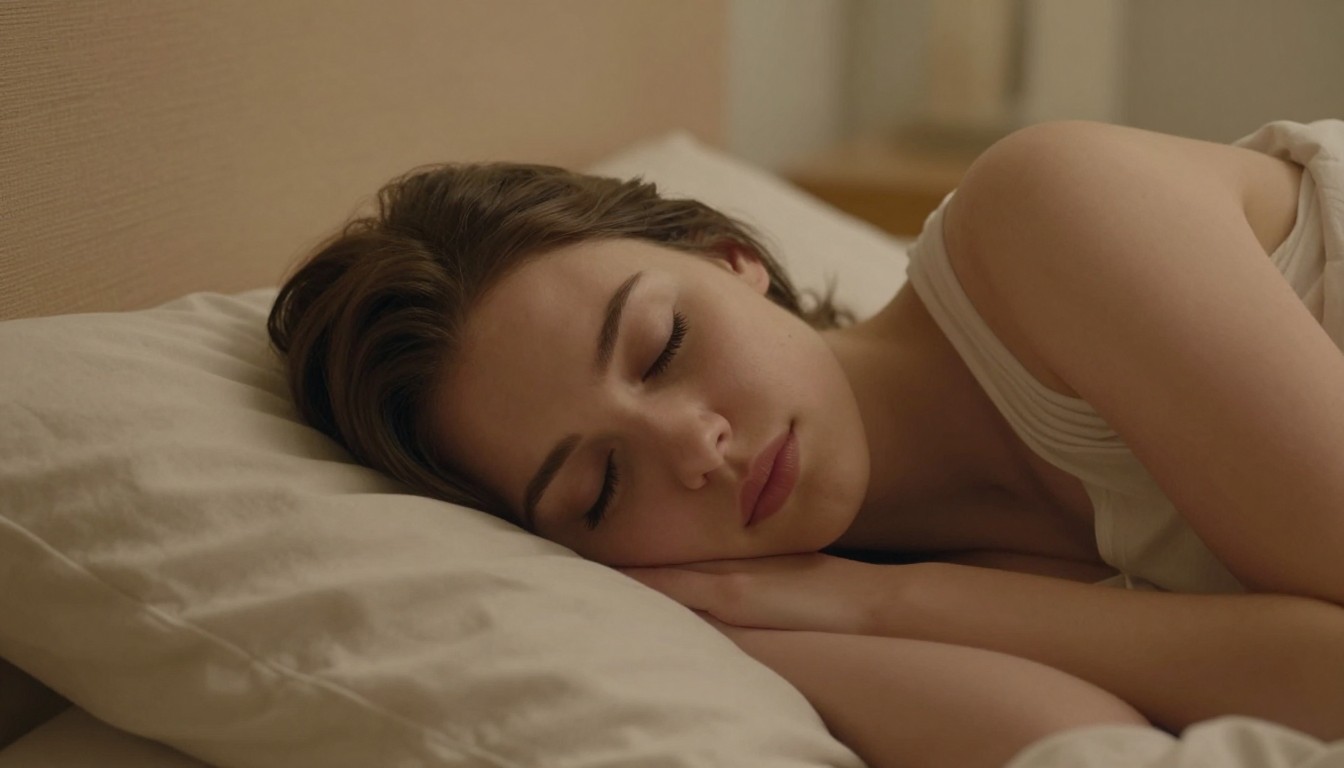
by Quick answer: Sleep on your back with your face clear of the pillow. If you turn sideways, position your cheek so the extensions aren't pressed, bent, or dragged against the pillowcase.
- According to Lash Affair, sleep habits are discussed during every initial lash consultation.
- Lash Affair identifies those habits as one of the most controllable factors in lash retention.
- The same source says small sleep changes can improve how long extensions last.
Updated July 2026 · Reviewed for accuracy
The safest way to sleep with eyelash extensions is on your back, with the lash line completely clear of your pillow and bedding. Side sleepers don't necessarily have to change positions, but they do need to keep the eye area away from direct pressure.
I wouldn't obsess over staying perfectly still. The practical goal is to remove the most predictable sources of contact before you fall asleep. That means checking your head position, pillowcase, hands, hair, blanket, and sleep mask.
Use back sleeping as your starting position
Back sleeping creates the clearest gap between your eyelashes and the mattress surface. Your face points upward, so neither lash line needs to rest against the pillow. That's why it's the position I'd try first.
Settle with the back of your head near the middle of the pillow. Your pillow should support you without tilting your face sharply toward either shoulder. Before closing your eyes, turn your head gently in both directions and check whether the outer lashes approach the pillow.
Keep the top edge of your blanket below your face. A loose sheet or comforter can reach the lashes even when your head is positioned well. Long hair should also be moved away from your eyes so it can't sweep across the extensions as you shift.
Your hands matter too. If you normally tuck a hand beneath your cheek or cover your eyes while sleeping, start with your arms in a neutral, comfortable position. You can't control every movement after falling asleep, but you can avoid beginning the night with pressure already on the eye area.
| Sleep position | Likely pillow contact | Practical adjustment |
|---|---|---|
| Back | The eye area can remain clear | Center the back of your head and keep bedding below your face |
| Side | The lower eye may approach the pillow | Support the cheek while leaving open space around the eye |
| Stomach | The face sits closest to the bedding | Shift toward your side or back whenever that feels comfortable |
I see back sleeping as a useful default, not a guarantee. Lash Affair's guidance supports treating sleep habits as a controllable part of retention, but no position can prevent every unconscious movement.
Create a clear zone around your eyes
A good pillow setup leaves empty space around the outer corners of both eyes. The brand name or price of the pillow matters less than whether its shape lets your eyelashes avoid the surface.
Start by smoothing the pillowcase and pulling out loose folds. A crease near your eye can rise higher than the pillow itself. The case should fit securely enough that it doesn't bunch around your temple as you move.
I prefer a smooth surface without rough trim, raised stitching, decorative edging, or loose fibers near the face. I wouldn't promise that a particular fabric will extend lash retention. Lash Affair points to sleep habits generally, not to a pillowcase material that guarantees a specific result.
Pillow setup check
- Place your head in its normal sleeping position.
- Check the space beside each closed eye without pressing the lashes.
- Smooth any pillowcase folds near your cheek and temple.
- Move hair, blankets, and loose fabric below the lash line.
- Repeat the check after changing from your back to your side.
A sleep mask needs the same scrutiny. If its lining rests on the extensions, the mask defeats the purpose of keeping them clear of bedding. A mask with open space around the eyes may be more workable, but its actual fit matters more than its label or advertised shape.
If a mask is part of your nightly routine, read my guide to sleeping with a mask on and check the fit while lying down. A mask that looks roomy while you're standing can shift after your head meets the pillow.
Don't pile up accessories in an attempt to lock your head in place. The setup has to remain comfortable enough for sleep. A simple arrangement that you can use consistently is more practical than one you abandon halfway through the night.
Follow your lash artist’s bedtime instructions
A freshly applied set deserves the instructions given for that particular service. Adhesives and application methods aren't all identical, so I wouldn't rely on a universal waiting period or a rule copied from an unrelated salon.
Before leaving your appointment, ask when the artist considers the extensions ready for your normal bedtime routine. Also ask what they want you to do if a lash twists, feels uncomfortable, or appears out of line the next morning. That gives you a clear plan without guessing.
Complete only the cleaning and grooming routine your artist recommends. Don't add oils, cleansers, brushes, or home fixes simply because someone online uses them. The person who performed the service is better placed to explain what suits the adhesive and technique they used.
Before turning out the light
- Follow the artist's approved aftercare routine.
- Move hair and bedding away from your eyes.
- Settle into the position you can maintain comfortably.
- Confirm that the pillow and any mask aren't touching the extensions.
- Keep your hands away from your eyelids as you relax.
Avoid repeatedly touching the extensions to see whether they're secure. That adds the very contact you're trying to prevent. A visual check in a mirror is enough unless your lash artist has told you to groom them in a particular way.
Lash Affair says it covers sleep habits during initial consultations because those habits are controllable. I agree with that emphasis. Clear instructions and a workable position are more useful than trying to monitor every movement after you're asleep.
Side sleepers need space around the lower eye
Side sleeping can work if your cheek carries the pressure while the eye itself remains clear. The lower lash line shouldn't be trapped between your face and the pillow.
Move your head slightly toward the pillow's edge so the area around your eye has open space. Don't hang your whole head unsupported. The aim is simply to stop the pillowcase from rising across the eyelid and outer lashes.
Test the setup before falling asleep. Close your lower eye naturally and notice whether the lashes brush the case. If they do, adjust your cheek or turn your face slightly upward until contact stops. Repeat this check on both sides because the fit may not be identical.
A contoured pillow may help some sleepers create that gap, but the word “contoured” proves nothing by itself. Look at where your cheek actually lands and where the edge sits in relation to your eye. If the raised section presses closer to the extensions, the shape isn't helping.
My rule for side sleeping: support the head and cheek, leave the eye in open space, and reject any setup that pushes the lash line into fabric.
If discomfort makes back sleeping impractical, don't force a position that keeps you awake. My sleep tips for arthritis explain broader ways to make a comfortable position easier to maintain. Lash care should fit around your comfort needs, not replace them.
Stomach sleeping is the hardest position to reconcile with extension clearance because the face usually turns toward the mattress. If you can't avoid it completely, begin on your side with the eye area clear and use a pillow arrangement that makes rolling fully forward less appealing. Treat that as a gentle reminder, not a restraint.
Handle a rough night without making things worse
A crooked-looking lash after sleep doesn't tell you exactly what happened. Pillow contact is one possibility, but don't pull at the extension or try to separate adhesive yourself.
Start with the aftercare your artist approved. If grooming was part of those instructions, follow the demonstrated technique without forcing a lash that resists. Take a clear photo if you need to show the artist how the set looked on waking.
Look at your pillow setup before the next night. Check for a folded pillowcase, shifted mask, high blanket edge, or side position that puts the lower eye against the fabric. Change the most obvious contact point rather than rebuilding your entire sleep routine at once.
Contact your lash professional if:
- An extension feels persistently uncomfortable.
- You can't correct the appearance using the approved aftercare.
- You suspect the set needs professional adjustment or removal.
- You aren't sure whether a product is compatible with the service.
Persistent eye discomfort isn't something to troubleshoot by changing pillows indefinitely. Stop experimenting around the eye and seek appropriate professional guidance. A sleep-position guide can't identify the cause.
Focus on contact, not expensive accessories
The central issue is whether your extensions touch something while you sleep. A costly pillowcase, branded eye mask, or elaborate pillow can't compensate for a fit that presses fabric into the lash line.
I would prioritize a position you can sustain, a clear pocket around each eye, and the aftercare supplied by your lash artist. Accessories are optional tools. Judge them by what they do once you're lying in your normal position.
This also means you don't need perfect stillness. Start each night with the obvious contact points removed. If you repeatedly wake on the same side, adapt that side of the pillow instead of blaming yourself for moving in your sleep.
My nightly priority order
- Keep direct pressure off the lash line.
- Use a sleep position that remains comfortable.
- Follow the artist's care instructions without adding unapproved products.
- Check any pillow or mask by its real fit, not its marketing claims.
My bottom line is straightforward: begin on your back if you can. If you sleep on your side, support the cheek and keep the lower eye beyond the pillow's contact area. Small, repeatable adjustments fit the retention advice published by Lash Affair without turning bedtime into a complicated ritual.
FAQ
Can I sleep on my side with eyelash extensions?
Yes, provided the lower eye and its extensions stay clear of the pillow. Place the cheek on the pillow, leave open space around the eye, and test for contact with your eye naturally closed.
Do I have to sleep on my back every night?
No. I consider back sleeping the simplest way to keep both lash lines away from bedding, but a carefully arranged side position can also create clearance. Use the position you can maintain comfortably.
How should I sleep after getting fresh eyelash extensions?
Follow the instructions given by the artist who applied them and ask when you can return to your normal bedtime routine. Don't invent a waiting period, since the appropriate guidance may depend on the service and adhesive used.
Will a silk or satin pillowcase protect my extensions?
A smooth, well-fitted case can reduce the number of rough seams and loose folds near your face, but no fabric guarantees retention. Your extensions still need physical clearance from the pillow, whatever the case is made from.
Can I wear a sleep mask over eyelash extensions?
Only if the mask leaves enough room that its lining doesn't rest on or sweep across the extensions. Check the fit while lying in your normal position, because both the mask and pillow can shift around your eyes.