
 by
by 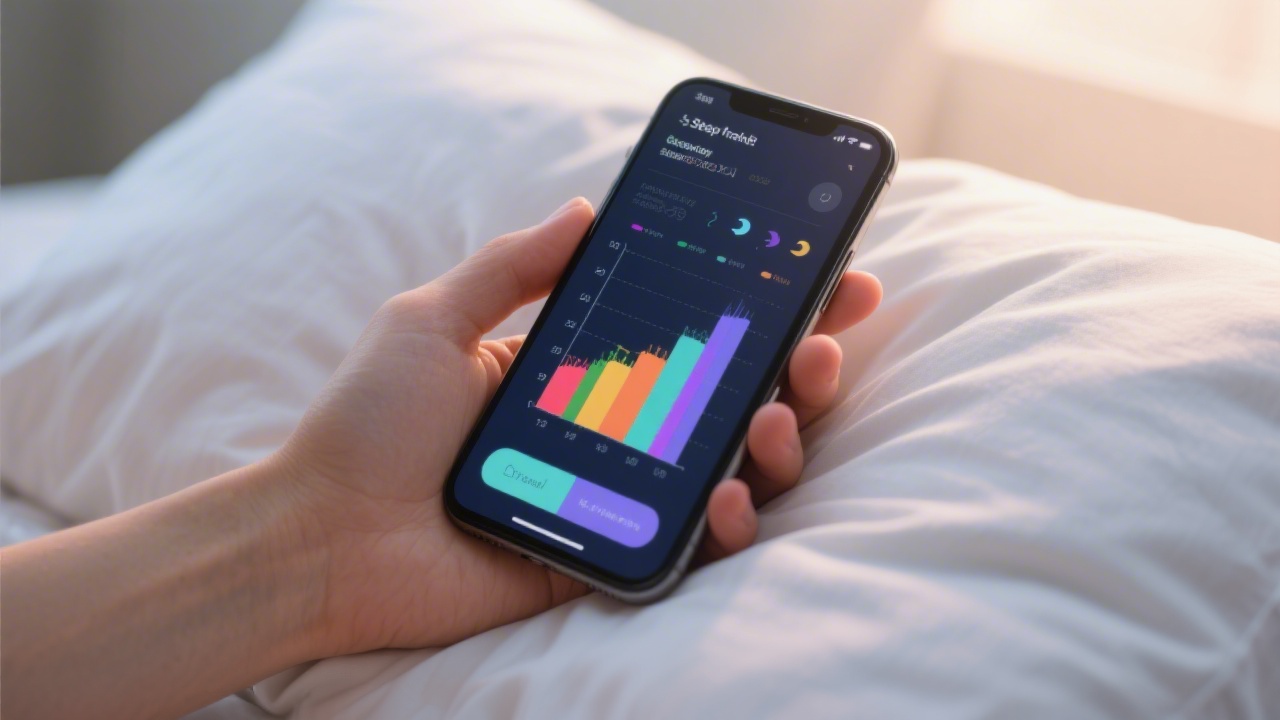
Sleep tracking does not require a $300 ring or a $2,500 smart mattress cover. Most people can start meaningfully tracking sleep quality with tools they already own. This guide covers the accuracy tradeoffs at each price point — from free phone-based options to dedicated hardware — and helps you determine when (if ever) upgrading to paid hardware makes sense for your situation.
Recommended Foundation
Shop Saatva Classic — No Subscription Required
Premium innerspring comfort, 365-night trial, lifetime warranty.
Free Option: Built-In Phone Sleep Tracking
Both iPhone (iOS 16+) and Android (Pixel, Samsung with One UI 4+) include native sleep tracking that requires no additional hardware. Place your phone face-down on your mattress or on a nearby surface. The accelerometer detects movement patterns to estimate sleep and wake periods.
Accuracy for total sleep time is roughly ±25–35 minutes — noisier than dedicated hardware but sufficient for identifying gross patterns like chronic undersleeping. Sleep stage data from phone motion sensors is low quality; treat it as "did I sleep vs was I awake" rather than precise stage breakdown. The main value: you can run 30 nights of baseline data at zero cost before deciding whether to invest in better hardware.
Free App: Sleep Cycle (iOS/Android)
Sleep Cycle uses your phone's microphone (placed on the nightstand) or accelerometer to track sleep patterns. The alarm feature wakes you during a light sleep phase in a ±30-minute window — a genuinely useful feature that reduces morning grogginess compared to fixed-time alarms. The free tier includes this core functionality. The paid subscription ($39.99/year) adds heart rate analysis and long-term trend tracking.
The microphone-based detection is more accurate than accelerometer-only tracking because it picks up breathing sounds and movement sounds rather than just bed vibration. In comparative tests, Sleep Cycle free tier outperforms raw phone accelerometer data for sleep/wake detection.
Low-Cost Hardware: Fitbit Inspire 3 ($99)
The Fitbit Inspire 3 is the lowest-cost dedicated sleep tracker with optical heart rate monitoring. Wrist PPG sensors produce meaningfully better data than phone-based tracking, particularly for REM detection. Fitbit Premium ($9.99/month or $79.99/year) unlocks full sleep stage analysis; without it, you get basic sleep duration and efficiency scores.
For people who want dedicated hardware without committing to a ring, the Inspire 3 is the entry point that provides a genuine step up in data quality from phone-based tracking. Battery life is 10 days, eliminating the charging scheduling issue that affects Apple Watch users.
Mid-Tier: Garmin Vivosmart 5 ($149) or Oura Ring ($299)
At this tier, the choice is primarily comfort vs ecosystem. Garmin wearables integrate sleep data with training load metrics — particularly valuable for athletes who want to correlate training stress with recovery quality. The Vivosmart 5 does not require a subscription for sleep data.
The Oura Ring at $299 (plus subscription after year one) offers the best pure sleep tracking accuracy in the consumer market. For people who want maximum sleep data quality and find wrist wearables uncomfortable during sleep, the ring is the right choice at this price point.
When to Upgrade from Free to Paid
Upgrade when you have a specific hypothesis to test — you suspect poor sleep is affecting something measurable (training performance, cognitive function, mood patterns) and you want 60+ nights of clean data to evaluate an intervention. Upgrade when the free data shows a consistent anomaly you want to investigate with better resolution. Do not upgrade because of general curiosity or because sleep tracker reviews made the technology sound appealing. The hardware works best when you have a defined question to answer.
The Foundation Matters More Than the Tracker
The most consistent finding across our testing: tracking reveals problems but doesn't fix them. The highest-leverage interventions for sleep quality are: consistent schedule, temperature below 68°F, complete darkness, and a supportive sleep surface. A best cooling mattress that eliminates pressure point micro-arousals will produce more measurable improvement in sleep efficiency than any tracker, because it changes the input rather than measuring the output.
Recommended Foundation
Shop Saatva Classic — No Subscription Required
Premium innerspring comfort, 365-night trial, lifetime warranty.
Frequently Asked Questions
Can I track sleep with my phone for free?
Yes. Both iPhone (iOS 16+ with the Health app) and Android (Pixel or Samsung One UI 4+) include native sleep tracking at no cost. Accuracy is limited — reliable for total sleep duration but not for sleep stage breakdown. For many people, 30 days of free phone data is sufficient baseline before considering a hardware upgrade.
What is the most accurate free sleep tracking app?
Sleep Cycle (free tier) consistently outperforms raw accelerometer apps because it uses microphone-based detection for better movement resolution. For Apple Watch owners, the native sleep tracking in watchOS is more accurate than phone-only tracking due to the wrist PPG sensor. For Pixel owners, the Fitbit app integration with Pixel's native sensors performs well.
Does sleep tracking on Apple Watch require charging every day?
The Apple Watch Series 9 and Ultra 2 have 18-36 hours of battery life, which requires a charging window during the day if you want continuous overnight tracking. Most users charge during morning routines or evening activities. This is a real limitation for people who want truly passive sleep tracking — Garmin watches (7-14 day battery) or rings eliminate this scheduling friction.
How many nights of data do I need before sleep tracking is useful?
Meaningful baseline data requires a minimum of 14 consecutive nights; 30 nights produces more reliable trends. Short-term data is noisy — a single "bad" tracked night may reflect sensor error, alcohol, or an unusual schedule rather than underlying sleep quality. Review 7-day and 30-day rolling averages rather than daily scores.
Can sleep tracking make insomnia worse?
For some people, yes. Focusing intensely on daily sleep scores can increase sleep-performance anxiety, which worsens insomnia. This phenomenon — called orthosomnia — is documented in clinical literature. If you find yourself lying awake thinking about your sleep score, take a tracker break. Use the data to identify patterns over weeks, not to evaluate each night individually.
Voted best luxury innerspring mattress with exceptional lumbar support and white-glove delivery.
Check Price & Availability FAQPage", "mainEntity": [{"@type": "Question", "name": "Can I track sleep with my phone for free?", "acceptedAnswer": {"@type": "Answer", "text": "Yes. iPhone (iOS 16+) and Android (Pixel, Samsung One UI 4+) include native sleep tracking at no cost. Accurate for total duration, not for stage breakdown. 30 days of free data is a useful baseline before considering hardware."}}, {"@type": "Question", "name": "What is the most accurate free sleep tracking app?", "acceptedAnswer": {"@type": "Answer", "text": "Sleep Cycle (free tier) outperforms raw accelerometer apps using microphone-based detection. For Apple Watch owners, watchOS native tracking is more accurate than phone-only due to the PPG sensor."}}, {"@type": "Question", "name": "Does sleep tracking on Apple Watch require charging every day?", "acceptedAnswer": {"@type": "Answer", "text": "Apple Watch Series 9 has 18-36 hour battery life, requiring a daytime charging window. Garmin watches (7-14 day battery) or rings eliminate this scheduling friction."}}, {"@type": "Question", "name": "How many nights of data do I need before sleep tracking is useful?", "acceptedAnswer": {"@type": "Answer", "text": "Minimum 14 consecutive nights; 30 nights for reliable trends. Review 7-day and 30-day averages rather than individual nightly scores."}}, {"@type": "Question", "name": "Can sleep tracking make insomnia worse?", "acceptedAnswer": {"@type": "Answer", "text": "For some people, yes. Orthosomnia — anxiety from focus on sleep scores — is documented in clinical literature. If you find yourself anxious about scores, take a tracker break."}}]}