
 by
by Indoor humidity drops to 20-30% in winter when heating systems run constantly. The ideal sleep humidity range is 40-60%. Below 40%, dry air irritates nasal passages, dries out the throat, and causes the micro-vibrations in your throat tissues (snoring) to become more pronounced. Above 60%, moisture encourages dust mites and mold — two of the most common sleep-disrupting allergens.
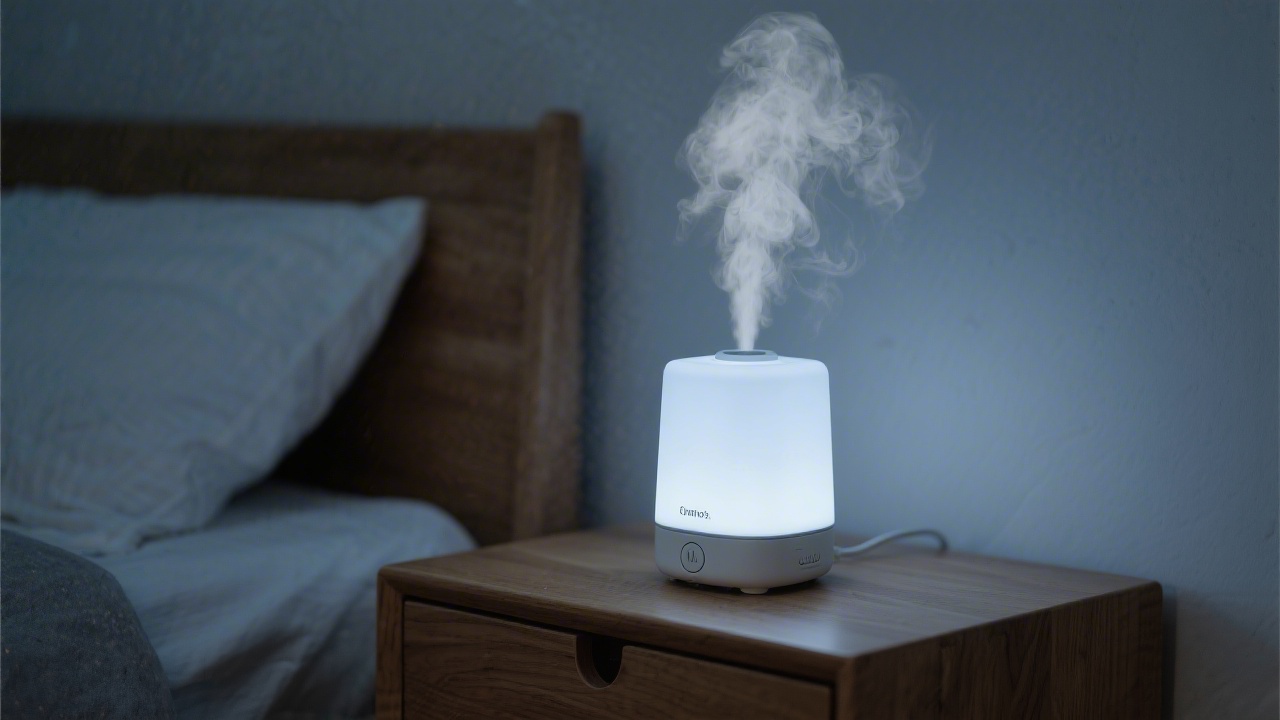
A bedroom humidifier closes that gap. Here are 7 options we evaluated — tested on actual humidity output, operating noise at 3 feet, tank capacity, and refill frequency.
Saatva Classic → Organic cotton cover, dual-coil airflow. No humidity-trapping foam. From $1,595.
Cool Mist vs. Warm Mist: Which Is Better for Sleep?
This is the first question to settle. Cool mist ultrasonic humidifiers are the better choice for most bedrooms for three reasons:
- Safer around children: No heating element means no burn risk.
- More energy efficient: Warm mist models use a boiling element — roughly 3-5x the electricity of ultrasonic.
- Quieter at night: Ultrasonic models produce near-silent operation. Evaporative cool mist models have a fan noise; warm mist models make bubbling/boiling sounds.
The downside of ultrasonic humidifiers: they can disperse mineral dust (white dust) from hard tap water. Use distilled or filtered water if you have hard water.
7 Best Bedroom Humidifiers 2026
1. Levoit Classic 300S — Best Overall
The 300S outputs 270ml/hour, covers up to 505 sq ft, and operates at 26dB in sleep mode — quiet enough that most sleepers don't notice it. The app control lets you set humidity targets rather than guessing at output levels. 6L tank lasts 60 hours at medium setting. ~$70.
2. Pure Enrichment MistAire — Best Under $50
The MistAire has a 1.5L tank (12-16 hours per fill), 360° mist output, and a 7-color nightlight that can be turned off. Noise level is acceptable at about 35dB. No app or smart features, but reliable and priced under $30 on sale. Good for small bedrooms under 150 sq ft. ~$30-$40.
3. Dyson Humidify+Cool — Best Premium
Dyson's humidifier uses UV-C light to kill bacteria in the water before misting — the main hygiene concern with humidifiers. It doubles as a fan. Auto-regulates to your target humidity level. The downside is price ($700+) and the fact that fan noise at higher speeds is noticeable. Best for people who run both a humidifier and a fan. ~$700.
4. Honeywell HCM-350 — Best Evaporative
Evaporative humidifiers can't over-humidify — they self-regulate as relative humidity rises. The HCM-350 uses a wicking filter and covers 500 sq ft. Fan noise is moderate at 45dB on low. The filter needs replacing every 30-60 days depending on water hardness. No white dust issue. ~$60.
5. Vicks V745A Warm Mist — Best for Illness
Warm mist humidifiers produce sterile output (bacteria can't survive the boiling process) and feel more soothing to irritated airways. The V745A accepts VapoPads for menthol scent. Best used during cold/flu season or when congestion is the primary issue. Not ideal for regular nightly use due to energy use. ~$30.
6. AIRCARE MA1201 — Best for Large Bedrooms
If your bedroom is over 300 sq ft or you have a master suite, this whole-room evaporative console covers up to 3,600 sq ft and holds 3.6 gallons (about 3 days between fills). It's large (floor-standing) but quiet on low settings. ~$120.
7. Canopy Bedside — Best for Easy Maintenance
Canopy's subscription model includes regular filter replacements. The humidifier itself is compact, dishwasher-safe, and uses a paper filter that prevents bacteria and mold growth in the tank. Output is lower (200ml/hour) so best for smaller rooms. ~$50 + $10/month subscription.
What to Look For: Buying Guide
| Spec | What You Need for a Bedroom |
|---|---|
| Noise level | Under 35dB for sleep mode. 26-30dB is near-silent. |
| Tank size | Minimum 1.5L for 8+ hours. 3L+ means no midnight refills. |
| Auto shutoff | Essential — unit should shut off when tank is empty. |
| Humidity sensor | Lets you set a target (40-50%) rather than running on max. |
| Nightlight | Only useful if it can be turned off — blue nightlights suppress melatonin. |
Saatva Classic → Breathable construction that works with your humidifier, not against it. From $1,595.
Related Guides
- Best Bedroom Temperature for Sleep
- Best Bedroom Colors for Sleep
- Best Blackout Curtains 2026
- Sleep Hygiene Tips: 15 Habits That Work
Frequently Asked Questions
What humidity level is best for sleeping?
40-60% relative humidity is the ideal sleep range. Below 40% causes dry airways, congestion, and more pronounced snoring. Above 60% encourages dust mites and mold growth — both common sleep allergens. Most humidifiers with a built-in hygrostat let you set 45-50% as a target.
Is it OK to run a humidifier all night?
Yes, if the humidifier has an auto shutoff when the tank empties, and if you're using a model with a humidity sensor that stops output when your target is reached. Running a humidifier without a humidity sensor on maximum all night risks over-humidifying — which promotes condensation and mold.
Should a humidifier be on the floor or on a nightstand?
On a nightstand or elevated surface, at least 2 feet off the floor. Moisture from a floor-level humidifier pools on the floor and under furniture. Elevated placement allows the mist to disperse into the room air before settling.
Cool mist vs warm mist — which is better for congestion?
Warm mist provides slightly more soothing relief for congestion because the warm vapor opens airways more effectively. However, for nightly sleep use, cool mist ultrasonic is generally preferred — quieter, safer, and more energy efficient. Warm mist is best reserved for illness periods.
How often do I need to clean a bedroom humidifier?
Every 3 days for the water tank (rinse and dry), and a deep clean every 1-2 weeks. Stagnant water in humidifiers grows bacteria and mold within 48-72 hours at room temperature. This is non-negotiable for health — a dirty humidifier disperses pathogens into your bedroom air.