 by
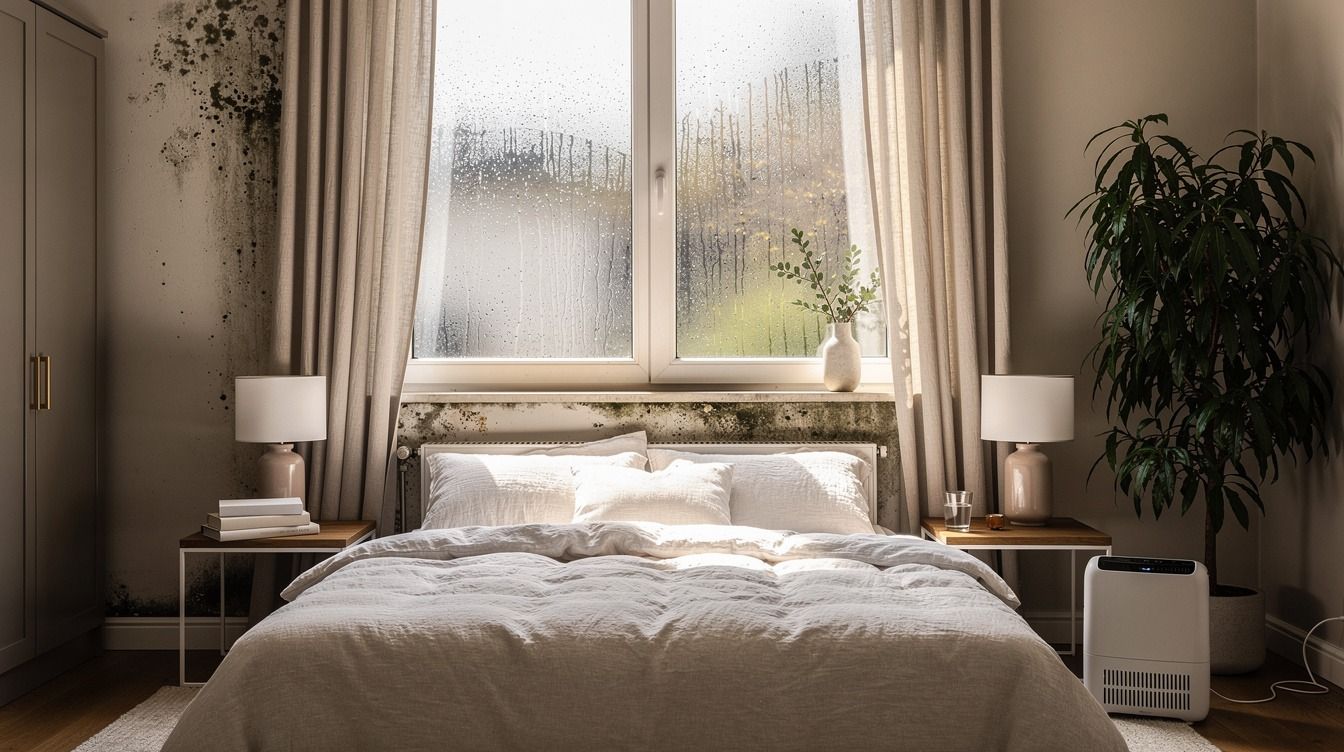
by Humidity causes mould, and I learned that in the least glamorous way possible: standing barefoot beside my bed at 3 a.m., convinced the room smelled faintly like damp laundry. My old mattress also had that plastic smell I kept pretending would fade. It didn’t.
I wasn’t trying to make a magazine bedroom. I wanted air that didn’t feel heavy by bedtime, and a place where I could wake up without immediately opening every window. Small ask.
Apparently not.
The Moment I Stopped Blaming the Bedding
At first, I blamed my duvet. Then the curtains. Then myself for liking a warm bedroom too much.


But the real clue was the grey pinprick mould gathering near the cold corner behind my nightstand, where the wall got almost no air.
I’d pushed furniture tight to the wall because my room is small. Bad call.
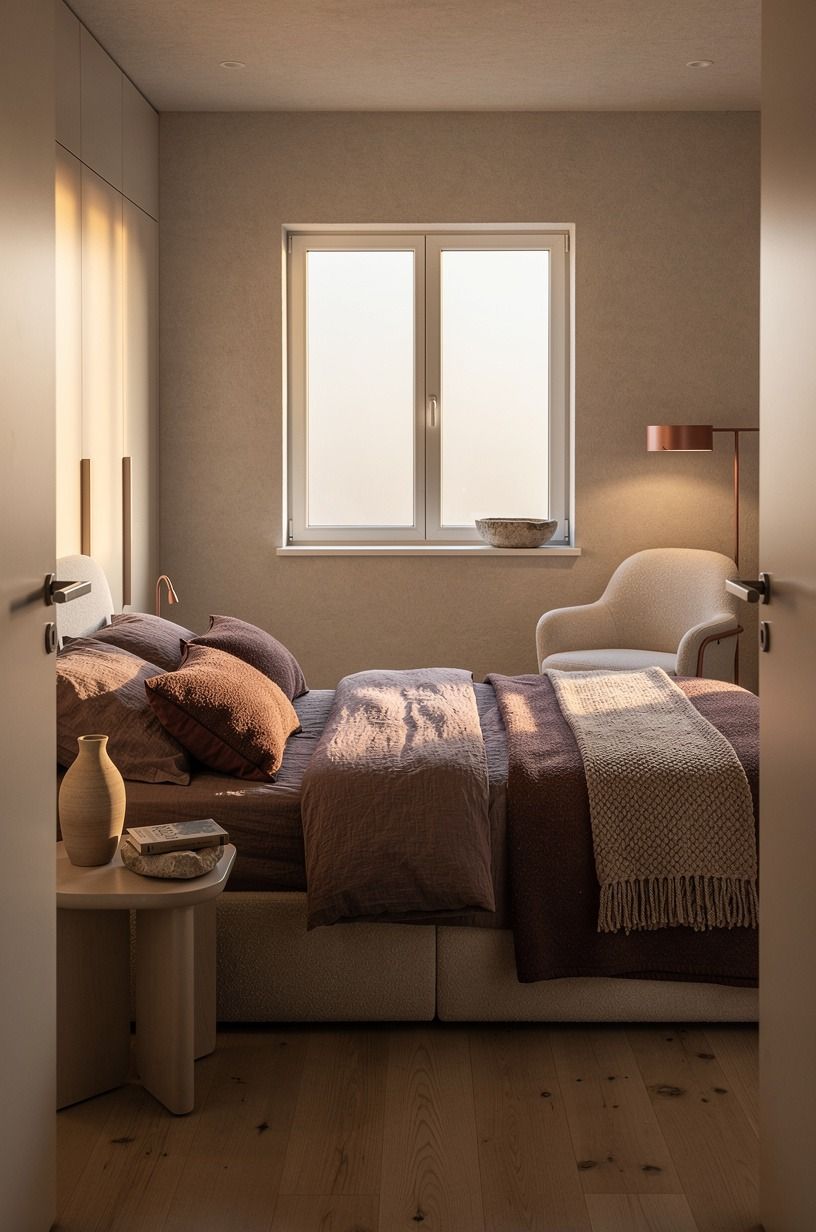
The bed was a queen, 60x80 in, and I’d treated every remaining inch like storage. I moved the nightstand out, pulled the bed slightly away from the wall, and the room stopped feeling like it was holding its breath.
And yes, I cleaned the visible mould carefully and dealt with the moisture source rather than just making the spot disappear. That part matters. If you’re working with a tight room too, these small-bedroom layout ideas for couples gave me a few sane ways to create breathing room.
I Let the Window Wall Do Its Job
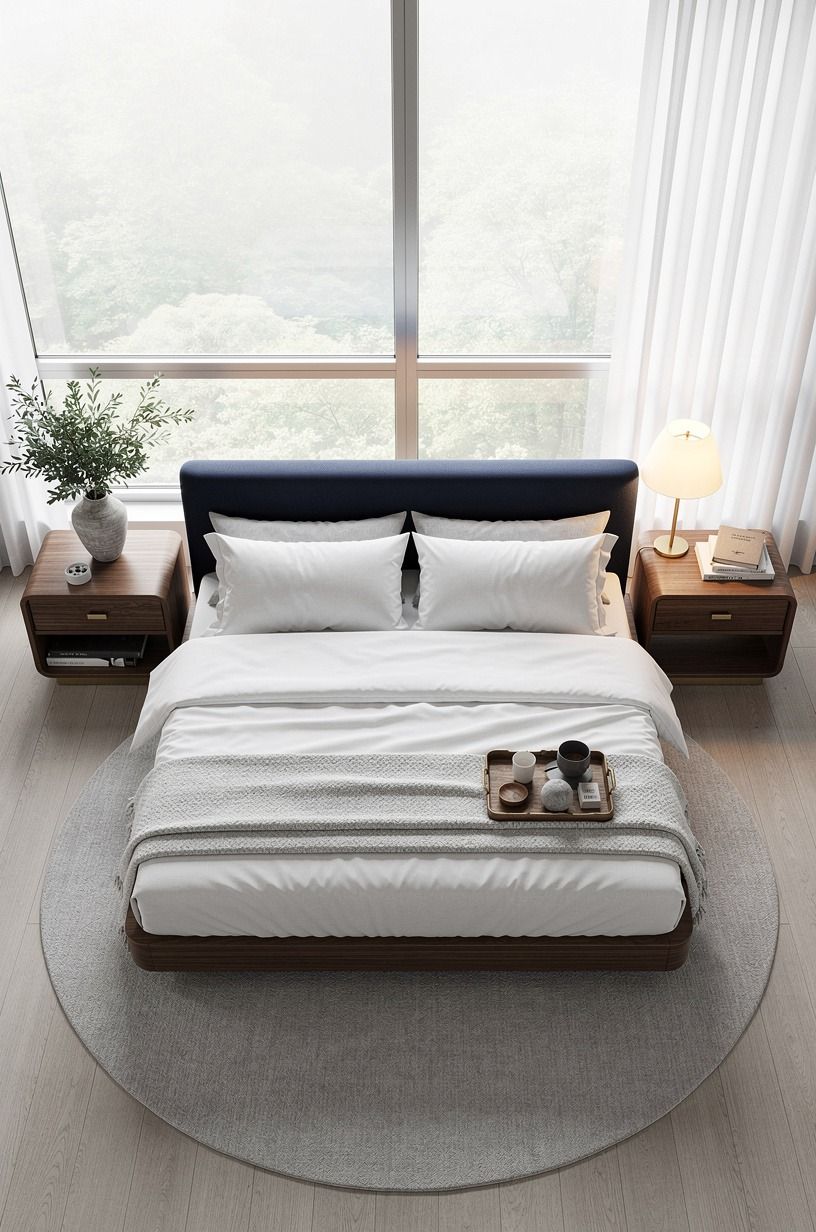
My bedroom has one window wall, and I had buried it behind thick panels that stayed shut half the time. I loved the dramatic look. I hated what it did to the air.
So I switched to lighter window coverage and started opening the curtains as soon as I got up, even on grey mornings. Natural light room aesthetic, sure.
More importantly, the wall stopped feeling clammy by late afternoon. I chose Benjamin Moore Pale Oak OC-20 for the wall because I wanted something soft that didn’t make the room feel like a cave.
But I’ll be honest, I miss the heavy curtains at night. They made the room feel intimate. I just don’t think they belonged in that particular corner, pressed against a window that already collected condensation.
I Changed What Was Trapping Heat Under Me
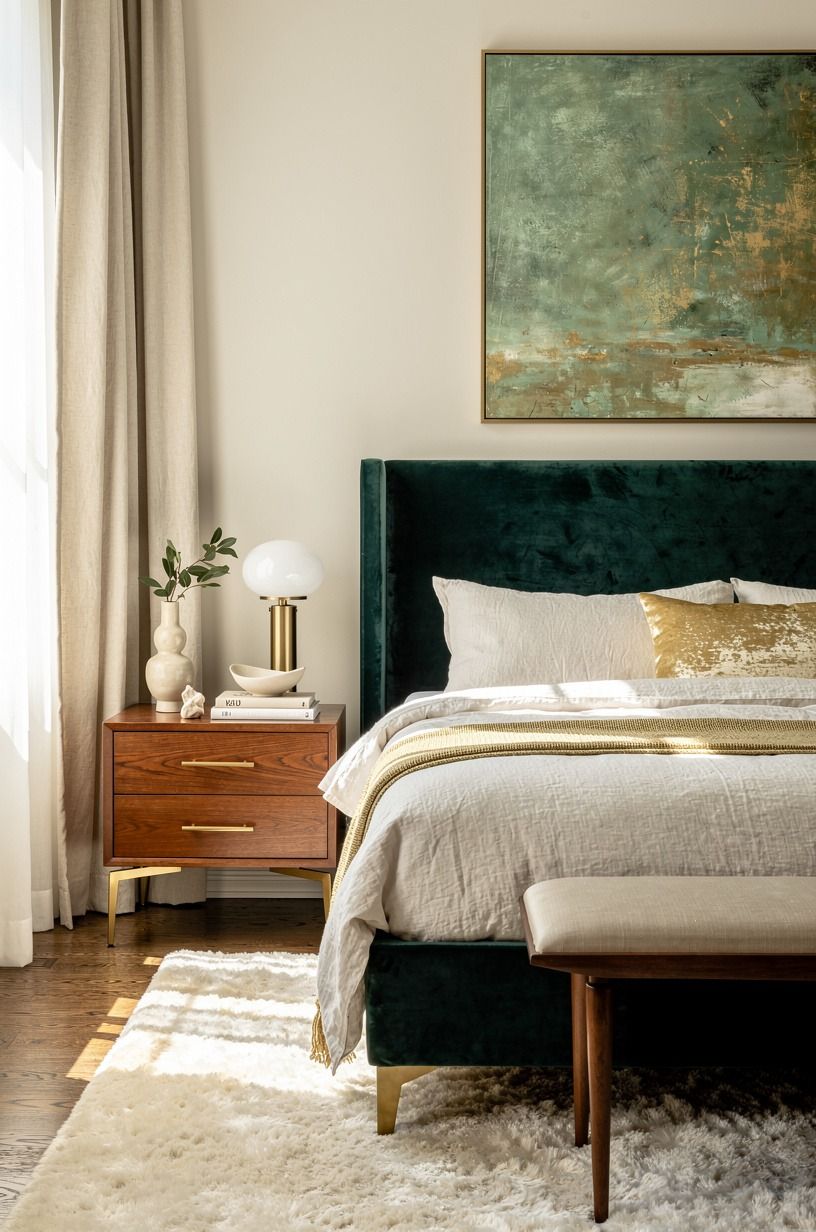
The mattress was the purchase I put off longest. I thought a new cover and better candles could distract me from the problem. They couldn’t.
I chose the Saatva Latex Hybrid because I wanted a less stuffy sleep surface without turning my bed into a clinical-looking project. For me, the difference was noticeable: less of that trapped, warm feeling under my back, and fewer nights waking up sweaty and annoyed. That’s my experience, not a promise that it will solve anyone else’s health concerns.
I added an Organic Mattress Pad after going back and forth for days. I wasn’t sure it was worth it. For two weeks, I regretted adding another layer because I worried I’d made the bed warmer again.
Then the pad settled, and the surface felt more comfortable without that slick, synthetic texture I’d been fighting.
And the room finally started feeling like a healthy bedroom, not a sealed box.


The Piece My Whole Bedroom Is Built Around
Natural materials, a 365-night home trial, free white glove delivery. Decide in your own room, not a showroom.
Fresh Sheets Made the Bed Feel Less Like a Sponge
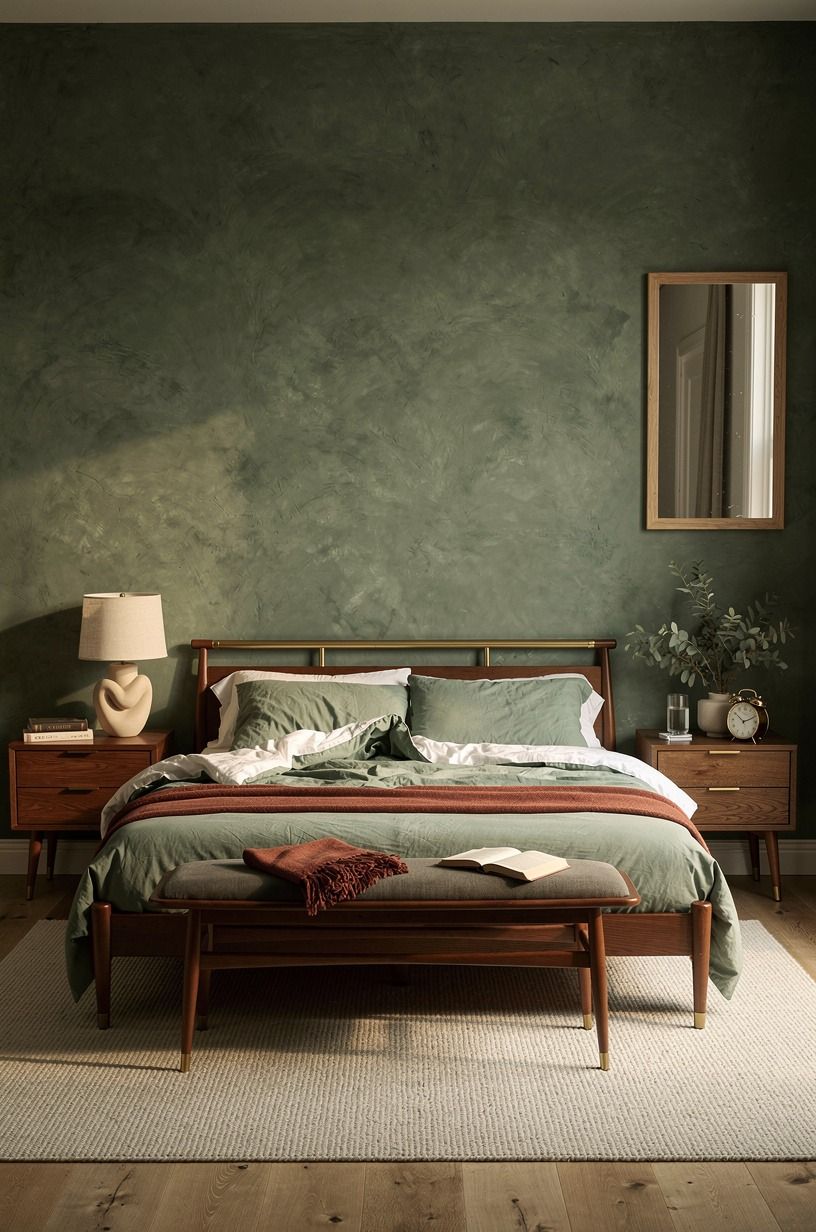
This sounds almost too simple. It wasn’t.
I stopped keeping the same heavy bedding on the bed every day and brought in a Percale Sheet Set for its crisp, breathable feel. I prefer percale to anything overly brushed in a room that already runs warm; it feels cooler against my legs and less likely to turn bedtime into a sweaty negotiation.
The bed didn’t need more layers. It needed fewer, better ones.
One lighter blanket folded at the foot. A washed throw for genuinely cold nights.
Nothing piled so high that I couldn’t tell what needed washing.
I also swapped my old pillow for an Organic Quilted Pillow. I like a pillow with some structure, and this one didn’t hold onto that stale smell the way my previous fill did. Small thing.
Huge relief.
For more ideas that keep a bedroom restful without making it empty, I’d look at this Japandi bedroom that feels calm. I think restrained rooms are better at showing you what’s really causing the discomfort.
The No-Pile Rule Changed the Air Around the Bed
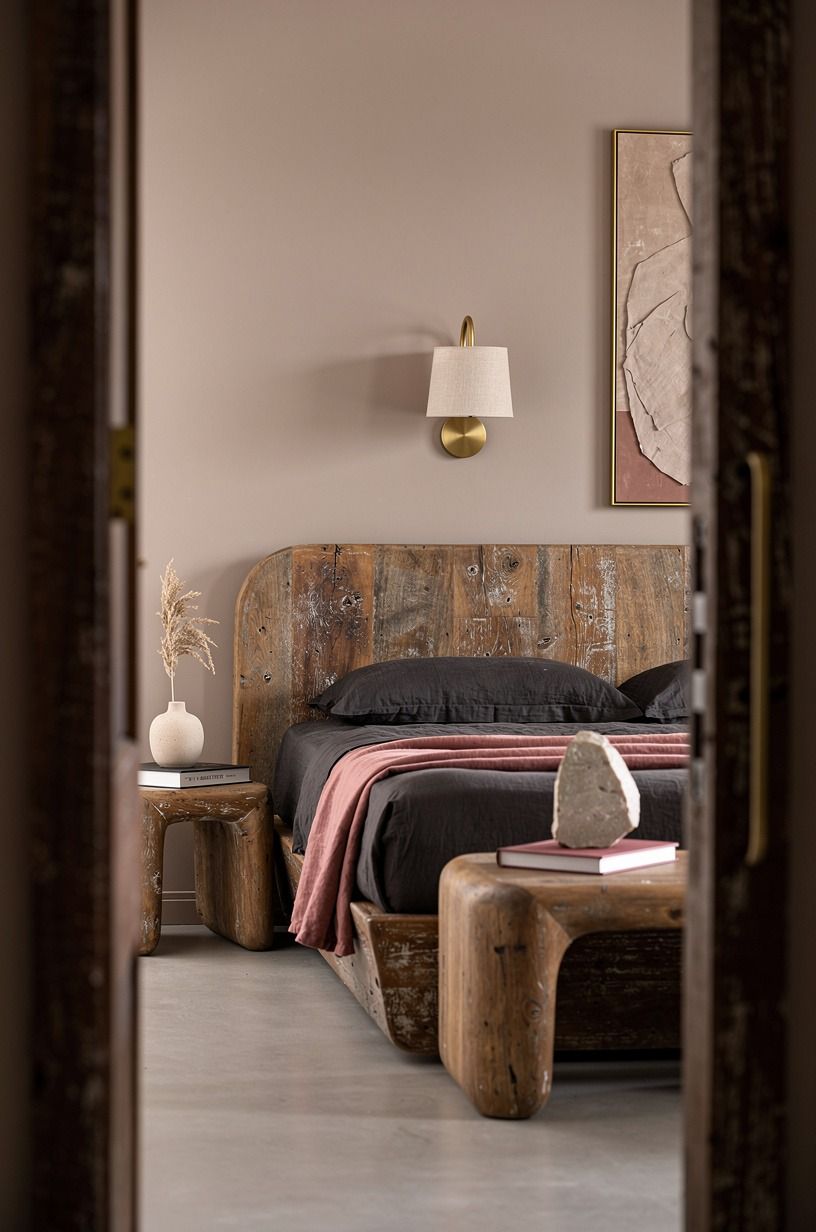
I had a chair under the window that was never really a chair. It was a landing zone for jeans, towels, yesterday’s cardigan, and the occasional damp hair towel.
Charming? No.
I removed it for a week as an experiment. The room looked a little bare at first (which made me twitchy), but the open floor made it easier to vacuum, easier to see dust, and easier for air to move around the bed. I’d take that over a decorative chair that only stores laundry.
My nightstand is close to mattress height, roughly 24 to 28 in, because I hate reaching down for water in the dark. I kept only a lamp, a book, and a dish for earrings on it.
Less clutter. Less stuff quietly absorbing the room’s dampness.
But I didn’t become a minimalist overnight. There’s still a soft robe on the door most mornings. I’m a person, not a hotel.
My Honest Verdict on the Non-Toxic Bedroom Version
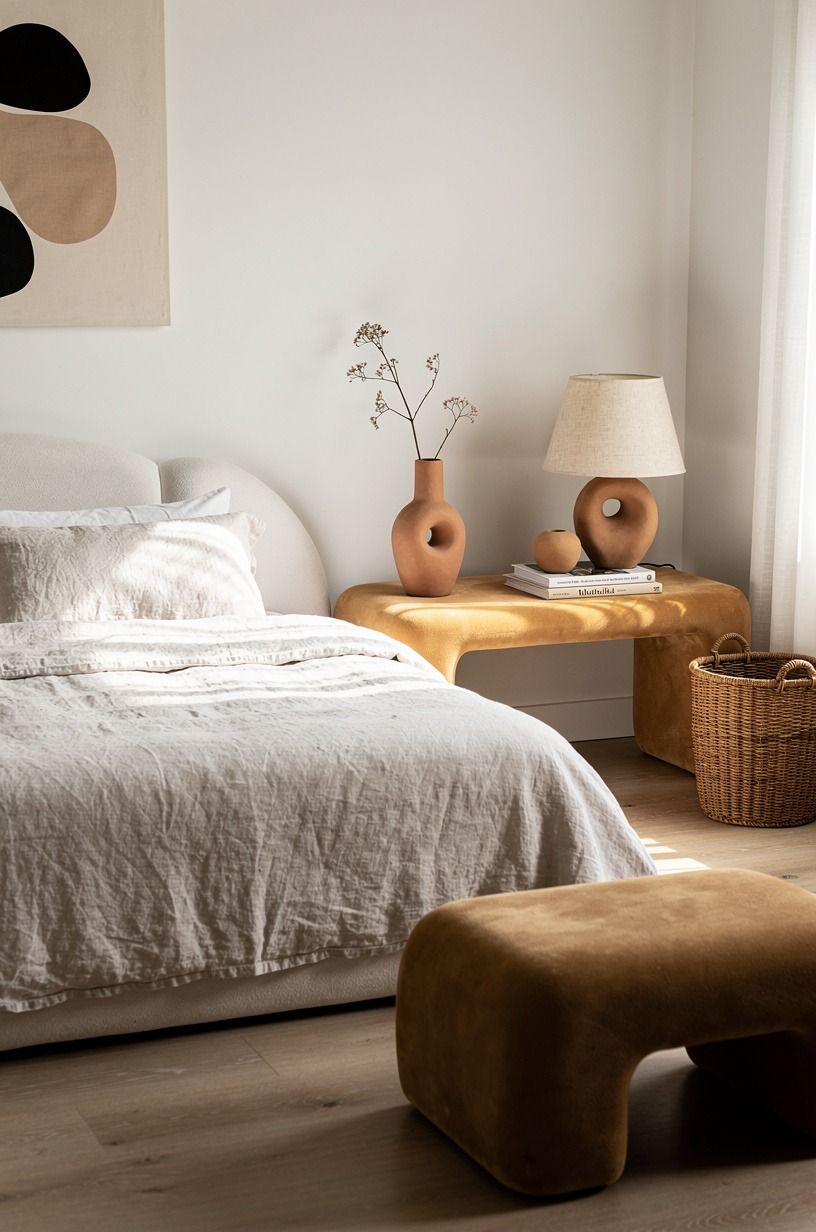
I think people sometimes make a non toxic bedroom sound like you need to replace every object you own by Friday. I don’t agree. That pressure makes people buy too much, then feel guilty about it.
What worked for me was starting with the things closest to my body and the places where air was getting stuck: mattress, bedding, the wall behind the bed, the window. I’d spend on sleep materials before I’d spend on a new headboard every time.
A rug can wait. Better airflow cannot.
My one real regret is waiting so long to look behind the furniture. I kept styling the room around the discomfort because I wanted a warm, earthy look. Turns out, a soft room can still be poorly ventilated.
If your bedroom still feels flat after you clear the air, this earthy moody bedroom retreat guide is where I’d borrow the mood back in, slowly.
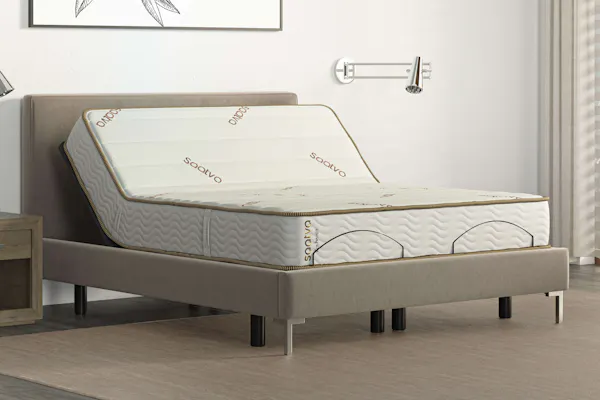 My pick for a healthier bedroomZenhavenTalalay latex, organic cotton, 365-night trial, lifetime warranty, free white glove delivery.See the Zenhaven
Build Your Own Healthier Bedroom
Sale pricing runs on orders over $1,000, and the 365-night trial gives you a full year of nights to be sure.
What the Room Feels Like Now
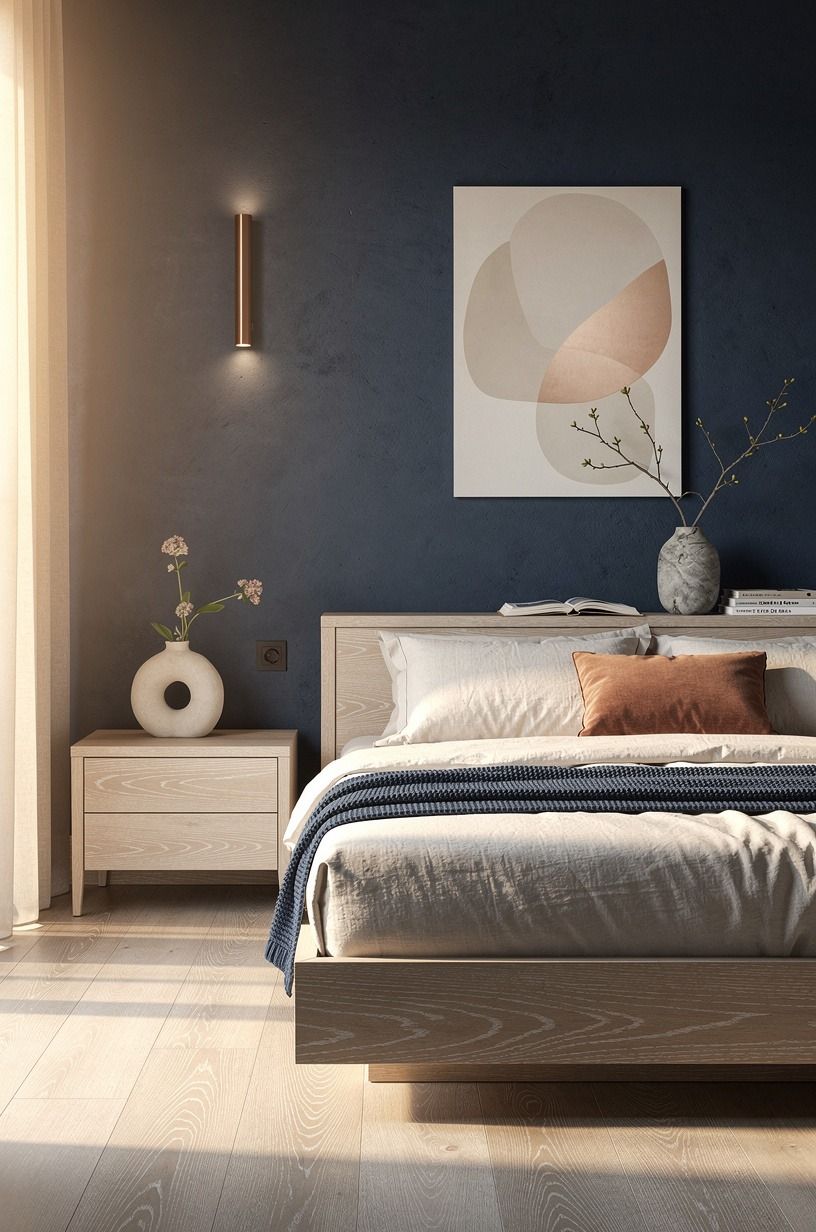
I don’t wake up thinking about the smell anymore. The morning light reaches the pale wall, the curtains are open, and there’s a small gap between the bed and the corner where mould used to collect.
If I had to pick one, I’d start with airflow behind the bed. You can’t make a bedroom feel fresh while the wall stays damp and hidden. Start there.
Now my water glass sits on the nightstand beside one book, and the sheets feel cool when I slide in.