
 by
by Recommended: Saatva Classic
Award-winning luxury innerspring with lumbar support. Tested by our team for quality, durability, and health-relevant sleep support.
The Prevalence of Sleep Problems in IBS
The co-occurrence of IBS and insomnia is not coincidental. Population studies consistently find that IBS patients are 1.6 to 2 times more likely to meet criteria for insomnia than age-matched controls. Across multiple large cohort studies, 40-60% of IBS patients report clinically significant sleep problems.
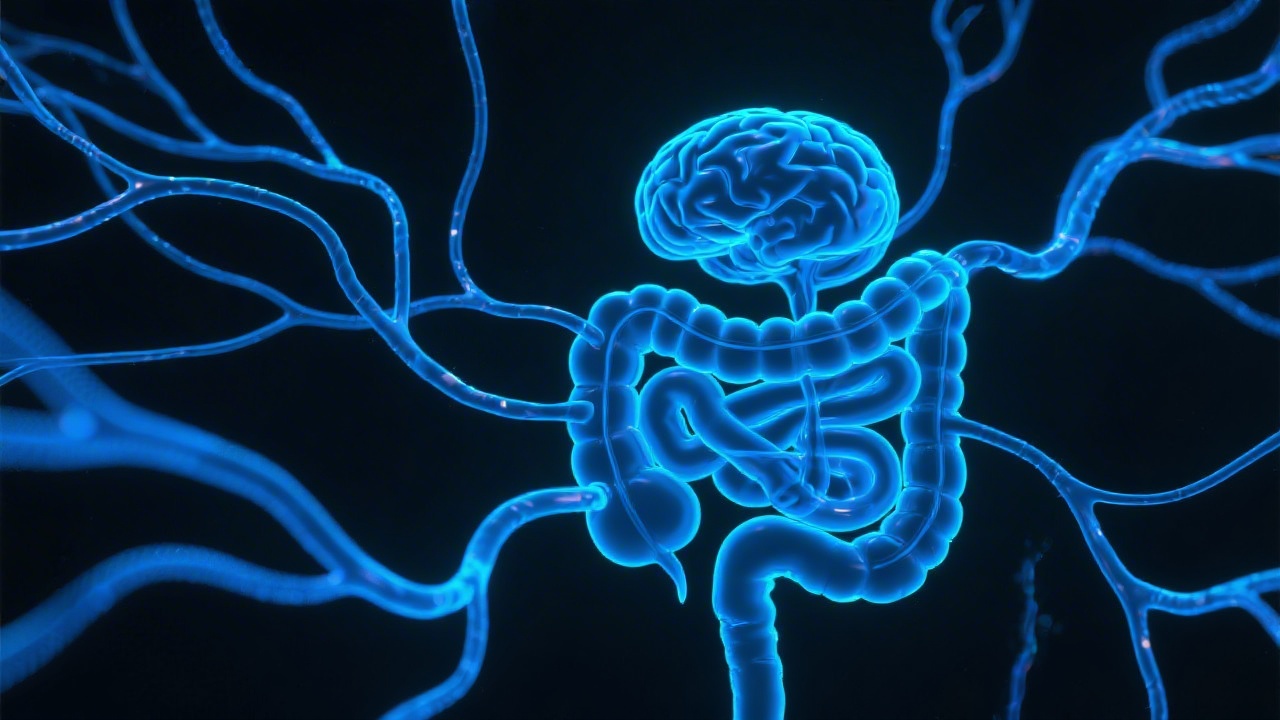
This co-occurrence is bidirectional — IBS disrupts sleep, and poor sleep worsens IBS — making it one of the clearest examples of the gut-brain axis in clinical practice. For comprehensive information on mattress selection for IBS patients, see our guide on the best mattresses for IBS.
How IBS Disrupts Sleep: The Mechanisms
IBS disrupts sleep through several parallel pathways:
Visceral hypersensitivity: IBS involves central sensitization of the visceral pain pathway. The gut transmits amplified pain signals to the brain at stimulus intensities that would be sub-threshold in people without IBS. During sleep, abdominal discomfort from gas, distension, or motility changes causes microarousals and frank awakening.
Altered gut motility at night: While gut motility normally slows during NREM sleep, IBS disrupts this pattern. IBS-D (diarrhea-predominant) patients show increased colonic motor activity during sleep. IBS-C (constipation-predominant) patients show altered MMC patterns. Both disrupt sleep architecture through visceral signals.
HPA axis dysregulation: IBS is associated with heightened cortisol reactivity and elevated baseline cortisol. Elevated evening cortisol delays sleep onset and reduces slow-wave sleep depth — the restorative sleep stage where gut repair occurs.
Anxiety and hyperarousal: Comorbid anxiety is present in 40-60% of IBS patients. Anxiety-driven hyperarousal is a primary mechanism of chronic insomnia, creating a neurological overlap between the two conditions.
How Poor Sleep Worsens IBS
The reverse pathway is equally well established. Sleep deprivation:
- Increases visceral hypersensitivity — sleep-deprived individuals show lower pain thresholds to colorectal distension in laboratory studies
- Elevates pro-inflammatory cytokines (IL-6, TNF-alpha) that activate mast cells in the gut mucosa, worsening IBS-related inflammation
- Disrupts gut microbiome composition, reducing beneficial bacteria that modulate gut motility and visceral sensitivity
- Increases cortisol the following day, amplifying gut motility irregularities
This creates a self-reinforcing cycle: IBS pain disrupts sleep, sleep deprivation worsens visceral sensitivity, which worsens IBS. Breaking this cycle requires interventions that address both systems simultaneously. For a broader discussion of gut health and sleep, see our guide on sleep and gut health.
Interventions That Address Both Simultaneously
The most effective interventions for IBS-sleep comorbidity target the shared gut-brain-sleep axis rather than each condition separately:
Gut-directed hypnotherapy (GDH) is the best-evidenced dual-pathway treatment. GDH reduces visceral hypersensitivity, lowers IBS symptom scores, and consistently improves sleep quality across RCTs. Its effects on the HPA axis and central pain modulation explain its dual benefit.
Cognitive behavioral therapy for insomnia (CBT-I) has been tested in IBS populations and shows meaningful reductions in both insomnia severity and GI symptom scores — evidence that sleep improvement reduces gut symptom burden.
Low-FODMAP diet reduces fermentable substrate available to gut bacteria, reducing gas and distension that cause nighttime arousals. A 2023 study found low-FODMAP adherence improved objective sleep measures in IBS patients over 8 weeks.
Melatonin has receptors throughout the GI tract and has been tested specifically in IBS-insomnia populations. Doses of 3-5mg improved both abdominal pain and sleep quality in a published RCT.
Sleep Hygiene Considerations Specific to IBS
Standard sleep hygiene recommendations apply to IBS patients with additional IBS-specific modifications:
- Avoid high-FODMAP foods in the 3-4 hours before bed (legumes, cruciferous vegetables, excess fruit)
- Left lateral sleeping position supports colonic transit and reduces overnight bloating
- A mattress that provides pressure relief reduces the likelihood that abdominal discomfort is compounded by musculoskeletal pressure — particularly important for IBS patients who already have heightened visceral sensitivity
- Consistent wake time (even after poor nights) helps regulate gut motility through circadian entrainment
Recommended: Saatva Classic
Award-winning luxury innerspring with lumbar support. Tested by our team for quality, durability, and health-relevant sleep support.
Frequently Asked Questions
Why do IBS symptoms often worsen the morning after poor sleep?
Poor sleep elevates cortisol and activates the HPA axis, increasing gut motility and visceral sensitivity. The gut-brain axis transmits this stress signal directly to the enteric nervous system, causing cramping, urgency, or altered motility patterns on waking.
Does treating IBS improve sleep, or does treating sleep improve IBS?
Both directions are supported. Successful IBS treatment (low-FODMAP diet, gut-directed hypnotherapy) reduces sleep disturbance. Conversely, CBT-I (cognitive behavioral therapy for insomnia) in IBS patients reduces both insomnia severity and GI symptom scores — evidence of bidirectionality.
What sleep position is recommended for IBS?
Left lateral position is generally recommended, as it supports colonic transit and reduces bloating. However, individual IBS subtypes vary: constipation-predominant IBS patients often benefit more from left-side positioning than diarrhea-predominant IBS patients.
Is melatonin helpful for IBS-related sleep problems?
Melatonin receptors are present throughout the GI tract, and melatonin at doses of 3-5mg has been studied in IBS specifically. A 2005 RCT found melatonin improved both abdominal pain scores and sleep quality in IBS patients with insomnia. It represents a dual-purpose intervention worth discussing with a gastroenterologist.
How does gut-directed hypnotherapy affect sleep in IBS?
Gut-directed hypnotherapy (GDH) is one of the most evidence-supported IBS interventions. In studies, GDH reduces visceral pain sensitivity, improves IBS symptom scores, and consistently improves sleep quality as a secondary outcome — likely because reduced pain and anxiety lower arousal and cortisol levels during sleep.
Key Takeaways
IBS and Sleep is a topic that depends heavily on individual needs and preferences. The most important thing is to consider your specific situation — your body type, sleep position, and personal comfort preferences — before making any decisions. When in doubt, take advantage of trial periods to test before committing.