
 by
by 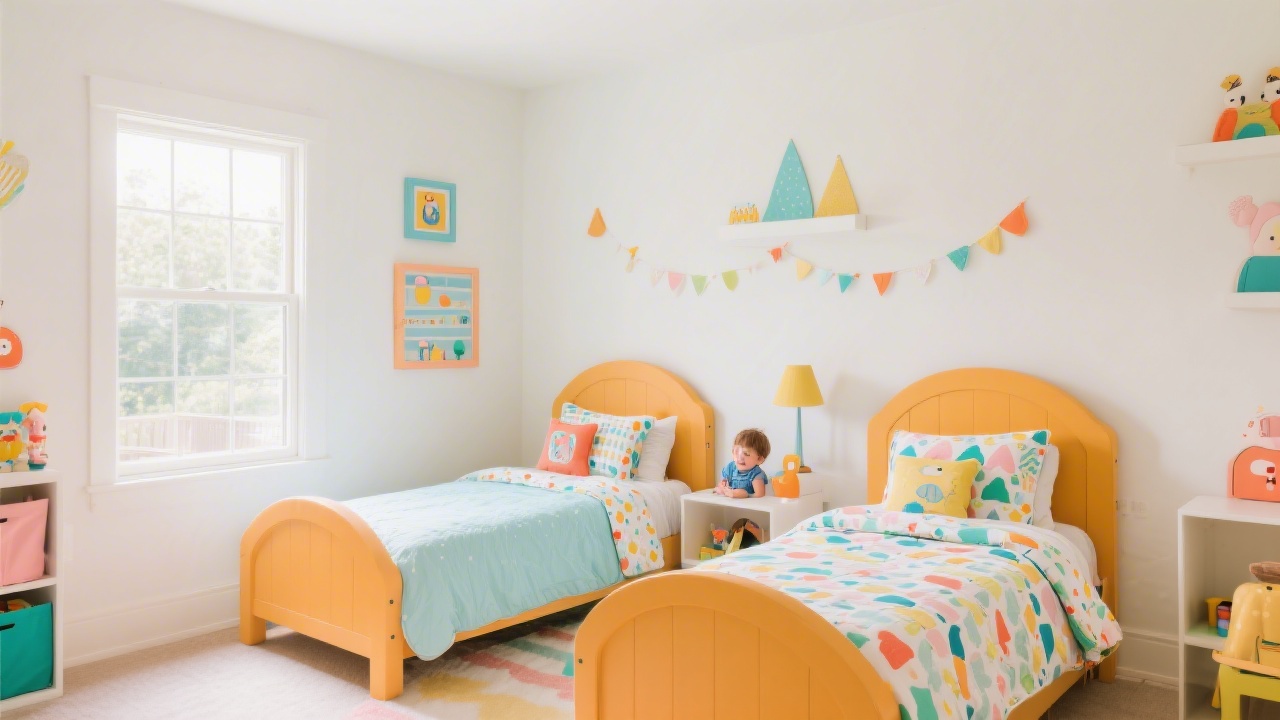
Children's sleep needs differ significantly from adults — developing spines require proper support, safety standards are stricter, and mattress requirements change as children grow. A good kids bedroom setup isn't just about comfort: it's a health consideration that affects growth, focus, and behavior.
Our top pick for kids
The Saatva Youth is designed specifically for children aged 3-12, with a dual-sided design (firmer side for younger children, softer for older kids) and CertiPUR-US certified foams. It grows with your child instead of needing replacement every few years.
The Age-by-Age Mattress Timeline
Crib to Toddler Bed (Ages 0-3)
Crib mattresses are intentionally firm — this is a safety standard, not just a comfort preference. Soft mattresses are a suffocation risk for infants. A crib mattress firmness of 7-8/10 is appropriate. Once your child transitions to a toddler bed (usually ages 2-3), you can use the same crib mattress in a toddler frame or purchase a dedicated toddler mattress.
Toddler to Twin (Ages 3-6)
The twin (38" x 75") is the standard next step. Most children sleep on twins through elementary school. Key considerations at this stage: side rails for safety until age 5-6, and maintaining firm support (6-7/10) for proper spinal development. Low bed frames minimize fall risk.
Twin to Full (Ages 10-14)
Growing pre-teens and teenagers often outgrow twins — either in length (for taller kids) or comfort (wanting more spread room). A full (54" x 75") provides significantly more sleeping width and fits most bedrooms comfortably. At this stage, firmness preferences begin to more closely resemble adult preferences.
What Changes at Each Stage
- Firmness: Starts very firm (7-8), gradually moves toward medium-firm (5.5-6.5) by pre-teen years.
- Height: Low frames until age 6-7, standard height afterward.
- Materials: CertiPUR-US certification matters most in early years when chemical sensitivity is higher. Our CertiPUR-US guide explains exactly what the certification covers.
- Cover: Waterproof mattress protectors are essential through age 7-8. After that, a standard protector for spill coverage.
Safety Standards You Should Know
All mattresses sold in the US must meet federal flammability standards. For kids specifically, look for:
- CertiPUR-US: No harmful VOCs, heavy metals, or ozone-depleting chemicals in foams.
- OEKO-TEX Standard 100: Covers all mattress components including covers and adhesives.
- GOTS Organic Cotton: For covers — highest standard for chemically sensitive children.
Our OEKO-TEX bedding guide explains the certification in detail. Also worth reading: our guide on sleep and growth hormone — quality sleep has measurable effects on children's physical development.
Frequently Asked Questions
What firmness should a kids mattress be?
Firmer than adults typically prefer. Children's developing spines need a flat, firm sleeping surface for proper alignment — especially toddlers and early elementary ages. A firmness of 6-7/10 is appropriate for ages 3-8. As children approach pre-teen years (9-12), a medium-firm (5.5-6.5) becomes more appropriate as their body weight increases and comfort preferences develop.
When should a child transition from crib to toddler bed?
Most children are ready to transition between ages 2-3, usually when they start climbing out of the crib or seem too large for it. A toddler bed with a toddler mattress (same size as crib, 27" x 52") is the intermediate step. Many parents skip straight to a twin at age 3-4, which also works well.
When should a child move from twin to full?
Typically between ages 10-13, depending on body size and growth trajectory. A child who's tracking tall will need a full sooner than a smaller child. If your child is bringing friends for sleepovers or wants more sleeping space, a full provides reasonable space. Some families go directly from twin to full at around age 8-10 to avoid buying two beds within a decade.
Are there specific safety standards for kids mattresses?
Yes. In the US, kids mattresses must meet federal flammability standards (16 CFR 1633 for open-flame and 16 CFR 1632 for cigarette smoldering). Look for CertiPUR-US certification, which ensures the foam is free of harmful chemicals, ozone depleters, and heavy metals. GOTS-certified organic cotton covers are the premium option for chemically sensitive children.
How long does a kids mattress last?
A quality kids mattress should last 5-8 years. Children's lighter body weight means less compression stress on foam and coils, but they're also harder on mattresses in other ways — spills, jumping, and general roughness. A dual-sided design (like the Saatva Youth) extends useful life by allowing firmness adjustment as the child grows.
Ready to upgrade your child's sleep?
The Saatva Youth grows with your child — dual-sided design, CertiPUR-US certified, and built with the spinal support kids' developing bodies need.