
 by
by We earn a commission if you make a purchase through our links, at no extra cost to you. Full disclosure.
If you sleep on your side and wake up with hip pain, lower back tightness, or knee soreness, the problem is almost certainly spinal misalignment caused by one knee dropping onto the other. A knee pillow placed between the knees resolves this in most cases within the first week. We tested 6 knee pillows over 4 weeks each, evaluating shape, firmness, and how well they stay in place during the night.
Complete Your Sleep Setup: Saatva Mattress
What to Look for in a Knee Pillow
1. Shape
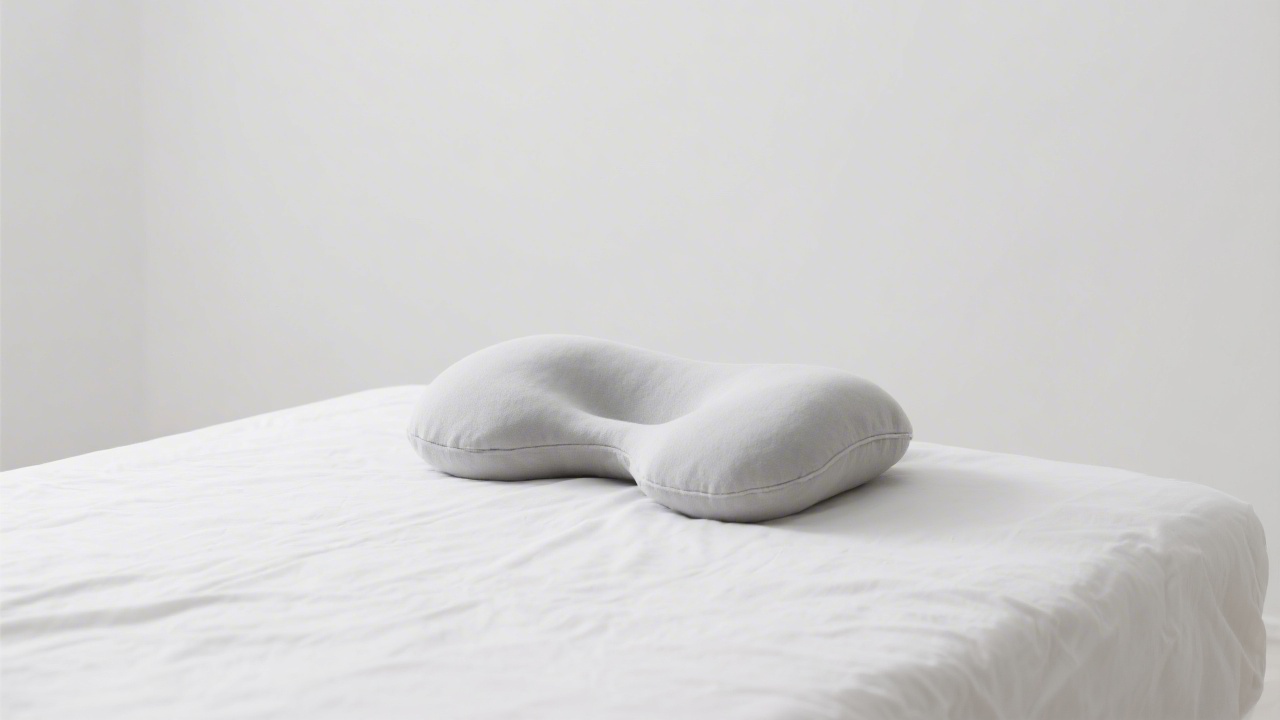
Contoured hourglass shapes hold the knees apart at a consistent distance. Flat or cylindrical pillows shift during the night and lose their alignment benefit. The best knee pillows have a concave center that cups the lower knee and a flat underside that stays stable on the mattress. Wedge shapes work for some people but can push the hips into an unnatural rotation if too angled.
2. Firmness
Medium-firm foam is the sweet spot. Too soft and the pillow compresses completely under leg weight, providing no separation. Too firm and it creates pressure on the inner knee. Memory foam with a density of 3-4 lb/cubic foot holds position without bottoming out or creating hard contact points.
3. Leg Strap
Without a strap, knee pillows migrate during the night — especially if you move frequently. A Velcro strap that wraps around the thigh keeps the pillow in place without restricting movement. Test the strap security: it should hold the pillow through a 90-degree leg rotation without tightening uncomfortably.
4. Size
Most knee pillows are 10-12 inches tall and 8-10 inches wide. Taller people with longer legs often need a larger pillow; shorter people may find standard size creates too much hip rotation. When in doubt, size up — it's easier to adjust a large pillow than to add height to a small one.
Comparison Table: 6 Knee Pillows Tested
| Knee Pillow | Shape | Strap | Firmness | Hip Pain Relief | Score |
|---|---|---|---|---|---|
| Everlasting Comfort | Hourglass contour | Yes | Medium-firm | 9.0/10 | 9.2/10 |
| Coop Home Goods | Hourglass contour | Yes | Medium | 8.5/10 | 8.7/10 |
| ComfiLife Orthopedic | Wedge | No | Firm | 8.0/10 | 7.8/10 |
| Abco Tech Memory Foam | Hourglass | No | Medium-soft | 7.5/10 | 7.5/10 |
| Cushy Form | Hourglass contour | Yes | Medium-firm | 8.7/10 | 8.5/10 |
| InteVision Foam Wedge | Wedge | No | Medium | 7.8/10 | 7.5/10 |
Top Picks in Detail
Best Overall: Everlasting Comfort Knee Pillow
The Everlasting Comfort uses 100% memory foam in a contoured hourglass shape with an adjustable leg strap. After 4 weeks of testing, the pillow consistently held position through the night without tightening the strap uncomfortably. The hourglass concave shape cups both knees naturally — the lower knee rests in the cup, the upper knee rests on the upper cushion.
Hip pain relief was measurable within the first week of use. The memory foam (3.5 lb density) provides enough resistance to separate the knees by 2-3 inches consistently without bottoming out. The washable velvet cover handles sweat well. At under $30, this is the best value knee pillow available.
Runner-Up: Cushy Form Knee Pillow
The Cushy Form is nearly identical in design to the Everlasting Comfort but uses a slightly firmer foam that some testers preferred — particularly those with heavier leg weight who found medium foam too soft. The strap design is also slightly more secure, with a wider Velcro surface that doesn't shift as easily. The trade-off is a slightly firmer feel that works less well for those with inner knee sensitivity.
Why Strap-Free Options Often Fail
The ComfiLife and Abco Tech options are fine pillows but both migrated during the night in our testing. Within 2-3 hours, the pillow had shifted 6+ inches from the starting position for most testers. For light sleepers who don't move much, a strap-free option can work. For anyone who moves during sleep, a strap is non-negotiable.
Saatva Mattress: The Foundation for Side Sleepers
Frequently Asked Questions
Does sleeping with a knee pillow actually help hip pain?
Yes, for most side sleepers. When the upper knee drops onto the lower knee without support, the hip rotates internally under the weight. Over 7-8 hours, this torques the lower back and hip joint. A knee pillow maintains the hip in a neutral rotation. Most users report noticeable improvement within 3-7 nights.
Can a knee pillow help sciatica?
Often yes. Sciatic nerve pain from lumbar disc issues is frequently aggravated by hip rotation during side sleeping. Maintaining neutral hip alignment with a knee pillow reduces the rotational pressure on the lumbar spine. It's not a medical treatment, but it addresses the mechanical cause of the pain during sleep.
Should a knee pillow be firm or soft?
Medium-firm is optimal. The pillow needs enough firmness to maintain knee separation without bottoming out under leg weight (firm), but soft enough to avoid pressure points on the inner knee (soft). 3-4 lb density memory foam is the ideal specification.
Can you use a regular pillow between your knees?
You can, but regular pillows compress quickly and migrate easily. A standard pillow between the knees will flatten to near-nothing within 2 hours, providing no separation benefit. A dedicated knee pillow with memory foam maintains consistent thickness and proper separation all night.
What size knee pillow should I get?
Standard (10 x 8 inches) fits most people under 5'10". Taller sleepers should look for large or XL options (12 x 10 inches). If you're between sizes, size up — a slightly large knee pillow can be adjusted; one that's too small provides inadequate separation.
Related Guides
- Best Pillows 2026 — all pillow types tested
- How to Sleep With Lower Back Pain
- Best Mattress for Side Sleepers
- Best Mattress 2026 — the foundation of pain-free sleep