
 by
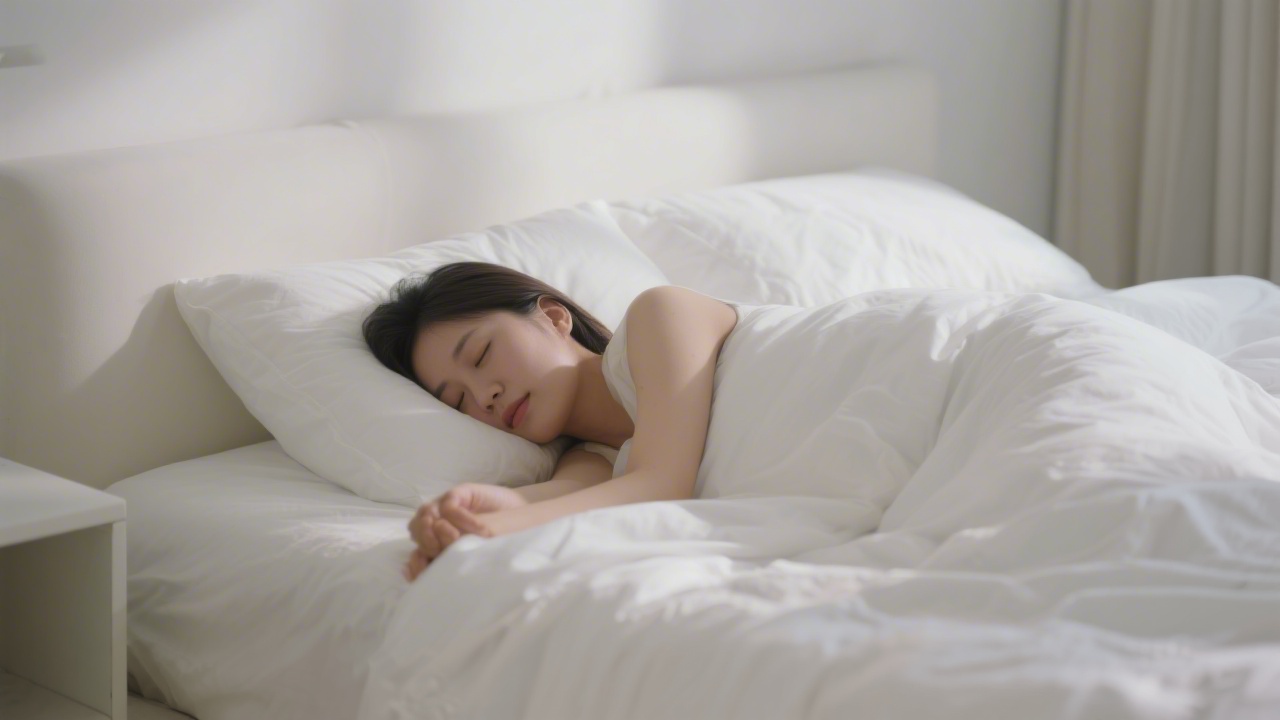
by Left-side sleeping has accumulated a growing body of evidence supporting specific health benefits, particularly for digestive function, acid reflux, and cardiovascular health during pregnancy. But the claim that left-side sleeping is universally healthier than right-side sleeping is overstated — the advantages are meaningful for specific populations and conditions, not a blanket upgrade for everyone.
Our Top Mattress Pick for Sleep Position Support
The Saatva Classic is available in three firmness levels (Plush Soft, Luxury Firm, Firm) and features a dual coil-on-coil construction that adapts to your sleep position while maintaining proper spinal alignment.
Acid Reflux and GERD: The Strongest Evidence
The most well-supported benefit of left-side sleeping is its effect on acid reflux. Anatomically, the stomach sits on the left side of the abdomen, and the lower esophageal sphincter (LES) — the valve preventing acid backflow — is positioned at the stomach's upper left margin. When you sleep on your right side, the LES sits below the stomach's liquid level, creating a gradient that favors acid migration up into the esophagus.
Clinical studies measuring nighttime esophageal pH show that left-side sleepers experience fewer acid reflux episodes and shorter acid exposure times than right-side sleepers. For people managing GERD, left-side positioning is one of the first behavioral recommendations from gastroenterologists. Pairing this with a best mattress for acid reflux can provide additional relief.
Pregnancy: Placental Blood Flow
After approximately 20 weeks of gestation, the growing uterus sits close to the inferior vena cava (IVC), the large vein running along the right side of the spine. Right-side or back sleeping in late pregnancy can partially compress the IVC, reducing venous return to the heart and consequently reducing placental perfusion. Left-side sleeping moves the uterus away from the IVC, maintaining optimal blood flow to the placenta and fetus.
The recommendation is strong enough that it appears in obstetric guidelines from multiple national organizations. For full recommendations including mattress selection, see our best mattress for pregnancy guide.
Digestion and Gastric Emptying
The stomach's pyloric valve — the exit point to the small intestine — sits on the lower right side of the stomach. When you sleep on your left, the pylorus is elevated relative to the gastric body, and food moves through the stomach aided by gravity toward the small intestine. When you sleep on your right, the pyloric valve sits lower, and gravity slightly opposes optimal gastric emptying.
This effect is modest for people with normal gastric motility but more significant for those with delayed gastric emptying (gastroparesis) or functional dyspepsia. Left-side sleeping after meals reduces bloating and indigestion in some patients.
Lymphatic Drainage: Theory vs. Evidence
The thoracic duct is the body's primary lymphatic drainage vessel, eventually emptying filtered lymph into the left subclavian vein. Some health advocates argue that left-side sleeping aligns the body's drainage anatomy favorably. While the anatomical premise is accurate, there are no controlled clinical studies demonstrating that sleep position meaningfully changes lymphatic clearance rates in healthy individuals. Consider this a plausible theoretical benefit rather than a proven one.
Heart Position and Cardiac Function
The heart sits slightly left of center in the chest. Left-side sleeping means the heart is not resting against the chest wall with its weight bearing directly on the sternum, as it does in right-side sleeping. Some patients with heart failure report that left-side sleeping is less comfortable due to increased awareness of cardiac impulses. For healthy individuals, there is no established cardiac benefit or harm from either lateral position.
Downsides of Left-Side Sleeping
- Left shoulder strain: Sleeping on the same shoulder every night can cause impingement and rotator cuff irritation. Rotating sides occasionally is important for joint health.
- Facial asymmetry: Like all side sleeping, left-side sleeping compresses the left side of the face against the pillow, which can contribute to asymmetric wrinkle development over years.
- Arm numbness: If the left arm is trapped under the body or pillow, brachial nerve compression can cause numbness. A higher pillow can reduce this by keeping the shoulder in a more open position.
Optimal Setup for Left-Side Sleepers
Left-side sleeping ergonomics require three-point pillow support for proper spinal alignment. The best mattress for side sleepers guide covers this in detail, but the essentials are:
- Head pillow: High enough to fill the gap between your shoulder and head (typically 4 to 6 inches, depending on shoulder width).
- Knee pillow: A pillow between the knees prevents hip stacking and internal rotation of the femur, which would tilt the pelvis and create lateral spinal curve.
- Body pillow: Hugging a body pillow prevents the top shoulder from rolling forward and internally rotating, which is the primary cause of shoulder pain in side sleepers.
Our Top Mattress Pick for Sleep Position Support
The Saatva Classic is available in three firmness levels (Plush Soft, Luxury Firm, Firm) and features a dual coil-on-coil construction that adapts to your sleep position while maintaining proper spinal alignment.
Frequently Asked Questions
Is sleeping on your left side actually better than your right?
For people with acid reflux or GERD, yes — left-side sleeping positions the lower esophageal sphincter above stomach acid level, reducing reflux events. For pregnant women, left-side sleeping improves placental blood flow. For most healthy people without these conditions, both sides are roughly equivalent, though left-side sleeping slightly favors lymphatic drainage toward the thoracic duct.
Does left-side sleeping improve digestion?
The stomach's natural anatomical position means its fundus (where gas accumulates) is on the left side. Sleeping on the left keeps the pyloric valve (stomach-to-small-intestine outlet) elevated, reducing backflow. Some gastroenterologists recommend left-side sleeping for patients with gastroparesis or slow gastric emptying.
Can sleeping on my left side improve lymphatic drainage?
The thoracic duct — the body's main lymphatic drainage channel — empties into the left subclavian vein. Proponents of left-side sleeping suggest this anatomical asymmetry means left-side positioning may marginally favor lymphatic flow. The evidence is primarily anatomical theory rather than controlled trials, so this benefit should be considered speculative rather than proven.
Is left-side sleeping good during pregnancy?
Yes. After the second trimester, sleeping on the left side is recommended because it prevents the uterus from compressing the inferior vena cava (which runs along the right side of the spine), improving venous return to the heart and placental blood flow. Left-side sleeping is the standard obstetric recommendation.
What pillow setup is best for left-side sleepers?
Left-side sleepers need a high-loft pillow (4 to 6 inches for shoulder-width gap fill) under the head, a pillow between the knees to align the hips, and ideally a body pillow or hug pillow to prevent the top shoulder from rolling inward. This three-pillow setup maintains spinal neutrality throughout the night.
This article is for informational purposes only and does not constitute medical advice. Consult a healthcare provider for sleep-related medical conditions.