
 by
by Sleep better starting tonight: The Saatva Classic mattress is built for pressure relief and temperature regulation — the physical foundation every supplement stack needs.
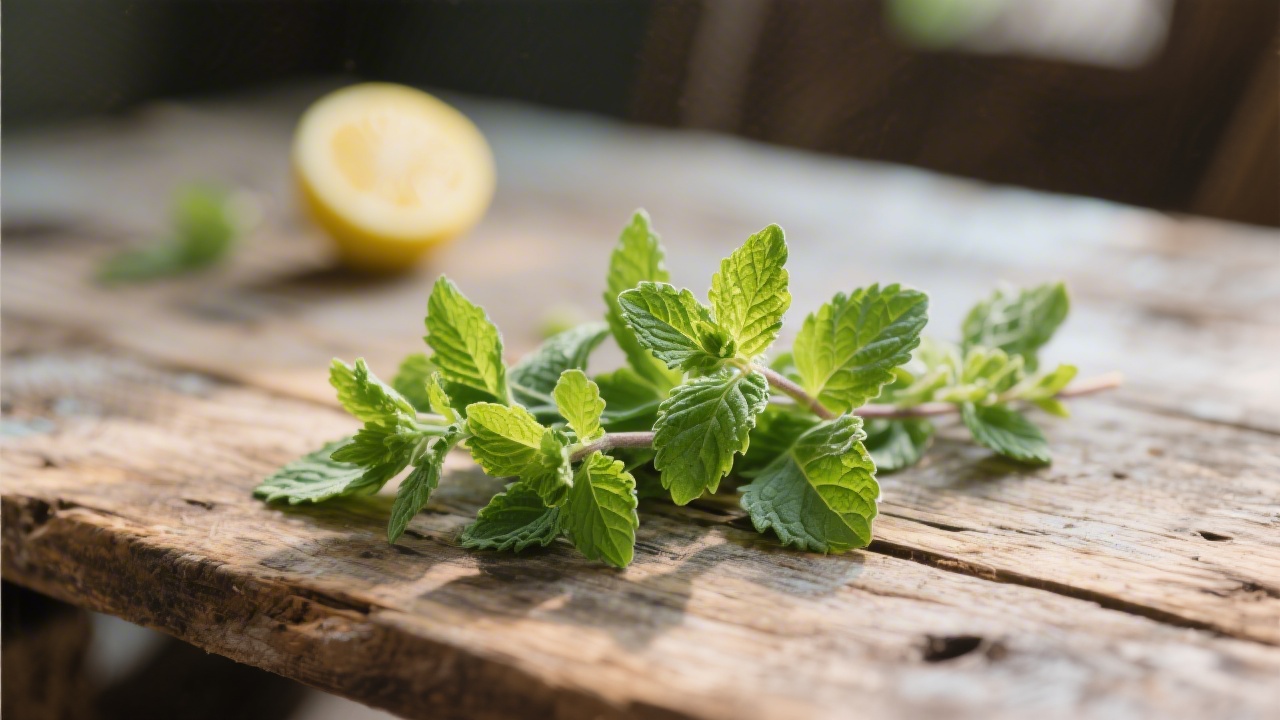
Lemon balm (Melissa officinalis) has been used as a sleep and anxiety remedy for over 2,000 years, documented in texts from ancient Greece through the European Middle Ages. Modern pharmacology has identified the likely mechanism: rosmarinic acid and related compounds in lemon balm inhibit GABA transaminase — the enzyme that breaks down GABA in the brain — effectively increasing endogenous GABA concentrations.
This mechanism is similar to how valproate (a pharmaceutical anticonvulsant) works, though at a much milder magnitude. It solves the problem that afflicts direct GABA supplementation: rather than delivering external GABA that cannot cross the blood-brain barrier, lemon balm preserves GABA that is already in the brain. See our analysis of the GABA supplement BBB problem.
The Clinical Evidence
Lemon balm has a more substantial clinical trial record than most herbal sleep aids:
Kennedy et al. (2002) — Anxiety and mood: A randomized crossover trial found that a single 600 mg dose of lemon balm extract significantly reduced stress and improved mood in healthy volunteers, with effects measurable within 1 hour of administration. Subjective calmness increased by 15% on validated scales.
Cases et al. (2011) — Sleep quality: In 20 participants with mild insomnia, 600 mg/day of lemon balm extract for 15 days reduced insomnia severity by 42%, sleep efficiency improved by 6.8%, and daytime fatigue decreased by 25%. All participants showed some improvement; no placebo control was used, which limits interpretation.
Ngan & Conduit (2011): A placebo-controlled crossover trial using 300 mg lemon balm with valerian root found significant improvements in Pittsburgh Sleep Quality Index scores, particularly in sleep onset and sleep fragmentation.
Active Compounds and Mechanisms
Lemon balm's sleep effects are attributed to several mechanisms:
- Rosmarinic acid: Inhibits GABA transaminase (GABA-T), increasing synaptic GABA availability
- Eugenol: Acts on GABA-A receptors as a positive allosteric modulator
- Flavonoids (apigenin, luteolin): Bind GABA-A benzodiazepine receptor sites at low affinity
- Ursolic acid: Inhibits acetylcholinesterase, supporting cholinergic tone associated with deep sleep
Forms and Dosages
Standardized extracts (typically standardized to 5% rosmarinic acid) show the most consistent results in trials. Effective doses range from 300–600 mg extract taken 30–60 minutes before bed.
Tea (1–2 g dried leaf per cup) has been used traditionally but provides much lower rosmarinic acid content than standardized extracts. The ritual of tea preparation has its own sleep-onset benefits through behavioral conditioning, but extract provides more reliable pharmacological effect.
Lemon balm is often combined with valerian root. This combination has been studied specifically and may produce additive effects, as valerian also increases brain GABA through a different mechanism (inhibiting GABA reuptake via valerian's valerenic acid).
Safety Profile
Lemon balm has an excellent safety record. The WHO Essential Medicines monograph rates it as safe for short-term use. No serious adverse events have been reported in clinical trials. Mild drowsiness and occasional GI effects are the only commonly noted side effects.
Theoretical interaction with sedative medications (benzodiazepines, Z-drugs) should be considered; additive sedation is possible, though not documented at typical supplement doses.
Sleep supplements address the neurochemical side of sleep onset; your sleep surface addresses the physical side. The Saatva Classic mattress is available in multiple firmness levels and uses breathable organic cotton — helping maintain the 65-67°F optimal sleep temperature that supports natural melatonin release. Related: passionflower for sleep, magnesium for sleep, omega-3 and sleep.
Frequently Asked Questions
How quickly does lemon balm work for sleep?
Anxiety-reducing effects appear within 1 hour of a single dose (demonstrated in the Kennedy 2002 trial). Sleep quality improvements with consistent nightly use show measurable effects within 1–2 weeks.
Is lemon balm better than valerian for sleep?
They work via complementary mechanisms and are most evidence-supported in combination. Lemon balm reduces GABA breakdown; valerian inhibits GABA reuptake. Combined, they effectively increase brain GABA through two pathways simultaneously.
Can you take lemon balm every night?
Yes, short-term (up to 4 weeks). Long-term safety data is limited; most clinical guidelines recommend periodic breaks. No tolerance development has been documented.
Does lemon balm tea work as well as extract?
Tea provides lower and less consistent rosmarinic acid content than standardized extracts. For reliable sleep effects, extract (300–600 mg, standardized to 5% rosmarinic acid) is preferred. Tea has benefit through relaxation ritual but is pharmacologically weaker.
Is lemon balm safe with SSRIs?
Lemon balm's mild serotonergic activity (5-HT1A agonism at higher doses) warrants caution with SSRIs. No clinical interactions have been reported, but consult a physician before combining with any serotonergic medication.
The right mattress amplifies every sleep improvement you make. The Saatva Classic mattress combines zoned lumbar support, organic cotton, and individually wrapped coils — engineered to support the deep, restorative sleep that supplements help initiate.