
 by
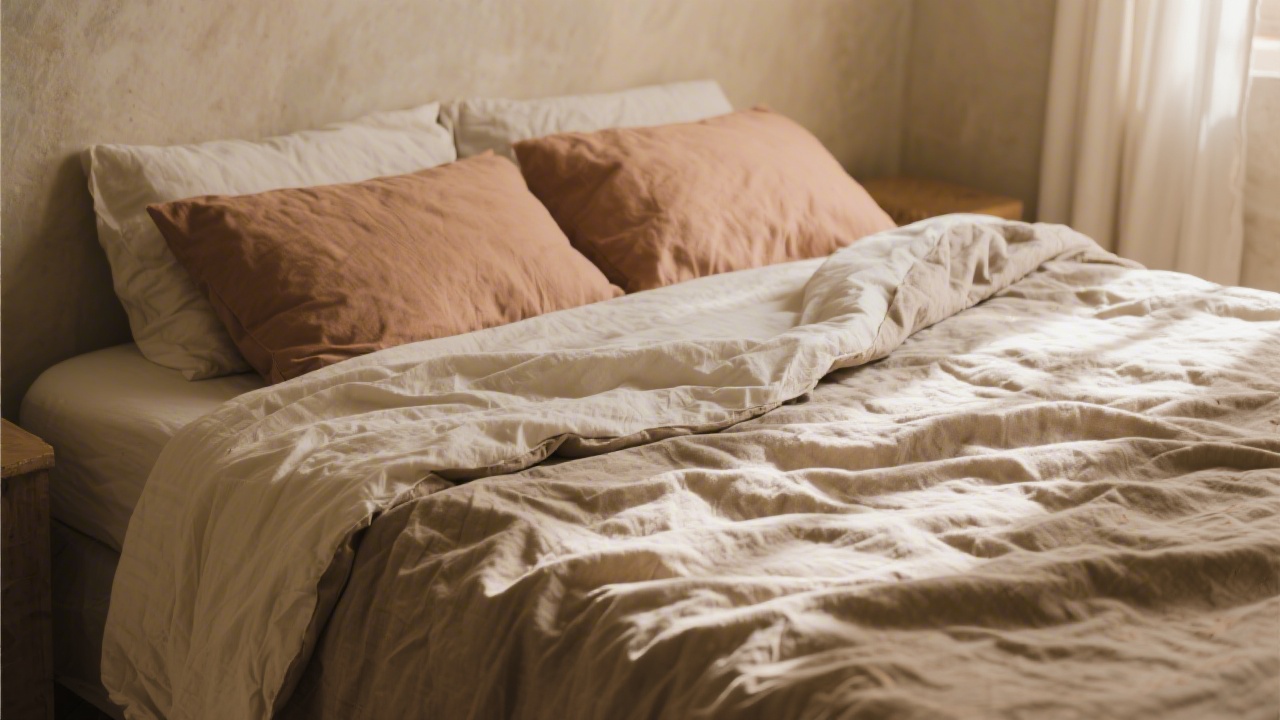
by The linen bedroom aesthetic has become one of the most enduring looks in interior design because it communicates the right message: quality without effort, comfort without fuss. The slight wrinkle is intentional. The natural undyed tones are deliberate. When done correctly, it reads as relaxed luxury rather than simply unmade.
Affiliate link — we earn a commission at no cost to you.
True Linen vs. Linen-Look Alternatives
True linen is woven from flax fibers. It is naturally textured, gets softer with every wash, is temperature-regulating (cool in summer, warm in winter), and wrinkles immediately after laundering. A true linen sheet set costs significantly more than cotton — typically $150–$400 for quality linen at queen size.
Linen-look alternatives exist at two price points. Linen-cotton blends (typically 55% linen / 45% cotton or similar) are softer than pure linen, wrinkle less, and are far less expensive. They approximate the visual texture of linen reasonably well. At the budget end, linen-look microfiber achieves the rough texture visually but does not share linen's thermoregulatory properties or longevity.
The honest recommendation: a quality linen-cotton blend at $120–200 delivers 80% of the aesthetic effect at 50% of the cost of true linen. If you are investing in the aesthetic primarily for visual appeal in a guest room or primary bedroom, the blend is a very reasonable choice.
The Linen Color Palette
The linen look is defined by its color as much as its texture. The palette should be entirely within the natural, undyed-looking range:
- Oat: Warm off-white, the lightest tone in the palette
- Flax: Light golden-beige, the color of raw linen fiber
- Stone: Cool neutral grey-beige
- Ecru: Warm yellowish cream
- Warm grey: Greige, the bridge between warm and cool
- Deep charcoal: Optional dark layer for contrast — a charcoal throw against oat sheets creates sophisticated depth
What to avoid: bright white (too crisp for the aesthetic), pastels (too feminine and suburban), bold colors (they compete with the texture story). The linen look is about restraint in color so the texture can lead.
How to Care for Linen to Preserve the Aesthetic
Linen care is different from cotton care:
- Wash cold or warm, never hot: High heat weakens linen fibers over time (unlike cotton, which tolerates hot water).
- Tumble dry low, remove while damp: Over-drying linen in high heat makes it stiff and brittle. Remove at about 80% dry and let air-finish on the bed.
- Do not iron: Wrinkles are part of the aesthetic. If you iron linen sheets, you are working against the look. If a wrinkle is too sharp, smooth it by hand after putting the sheet on the bed.
- Wash separately from synthetic fabrics: Synthetic fuzz transfers to linen and degrades the natural texture appearance.
Completing the Linen Bedroom Aesthetic
The linen look is about material consistency across the whole room, not just the bedding. Supporting elements:
- Natural wood (oak, ash, walnut) nightstands and bed frames — not painted, lacquered, or black metal
- Woven textures: rattan lampshades, jute rugs, wicker baskets
- Terracotta, ceramic, or stone objects (candles, vases, trays)
- Plants — specifically ones that feel Mediterranean or botanical (eucalyptus, olive branch, fig)
- Linen or cotton curtains in the same natural palette as the bedding
See our guides on Japandi bedroom design and Scandinavian bedding style for related aesthetics that share material values with the linen look.
Build the Linen Palette With Premium Cotton
Saatva Percale Sheets in Natural provide the warm oat tone that anchors the linen aesthetic — without the high price point of true linen.
Frequently Asked Questions
Why does linen wrinkle so much and is that normal?
Yes, wrinkling is completely normal and intentional in linen fabric. Linen fibers have very low elasticity, which means they do not spring back after being compressed the way cotton does. In the linen bedroom aesthetic, this wrinkle is a feature, not a flaw — it signals authentic natural fiber and relaxed comfort. You should not try to iron it out.
Is linen bedding worth the higher price?
True linen is worth the investment if you sleep hot (linen regulates temperature better than cotton), if you plan to keep the sheets for 10+ years (linen becomes softer with every wash and has exceptional longevity), or if the material authenticity matters to you. A linen-cotton blend at half the price delivers most of the visual aesthetic for those focused primarily on appearance.
What colors work for the linen bedroom look?
The linen look uses entirely natural, undyed-looking tones: oat, flax, stone, ecru, warm grey, and occasionally deep charcoal as a contrast layer. Avoid bright white (too crisp), pastels, and bold colors. The palette should look like it came from the earth — nothing synthetic, nothing saturated.
How is linen different from cotton percale?
Linen is made from flax fibers and has a naturally coarser texture, pronounced wrinkle, and superior breathability. Percale is woven from cotton with a tight one-over-one-under pattern, producing a crisp, matte, smooth surface. Linen communicates relaxed natural luxury; percale communicates hotel crispness. They are different aesthetics requiring different care.
Can I mix linen and cotton bedding?
Yes — mixing linen sheets with a cotton duvet cover (or vice versa) works well as long as the color palette stays within the natural range. The texture difference between linen and cotton can actually enhance the layered look. Just avoid pairing linen with crisp percale, which creates a visual conflict between the relaxed and the crisp aesthetic.
Key Takeaways
How to Achieve the Linen Bedding Look is a topic that depends heavily on individual needs and preferences. The most important thing is to consider your specific situation — your body type, sleep position, and personal comfort preferences — before making any decisions. When in doubt, take advantage of trial periods to test before committing.