
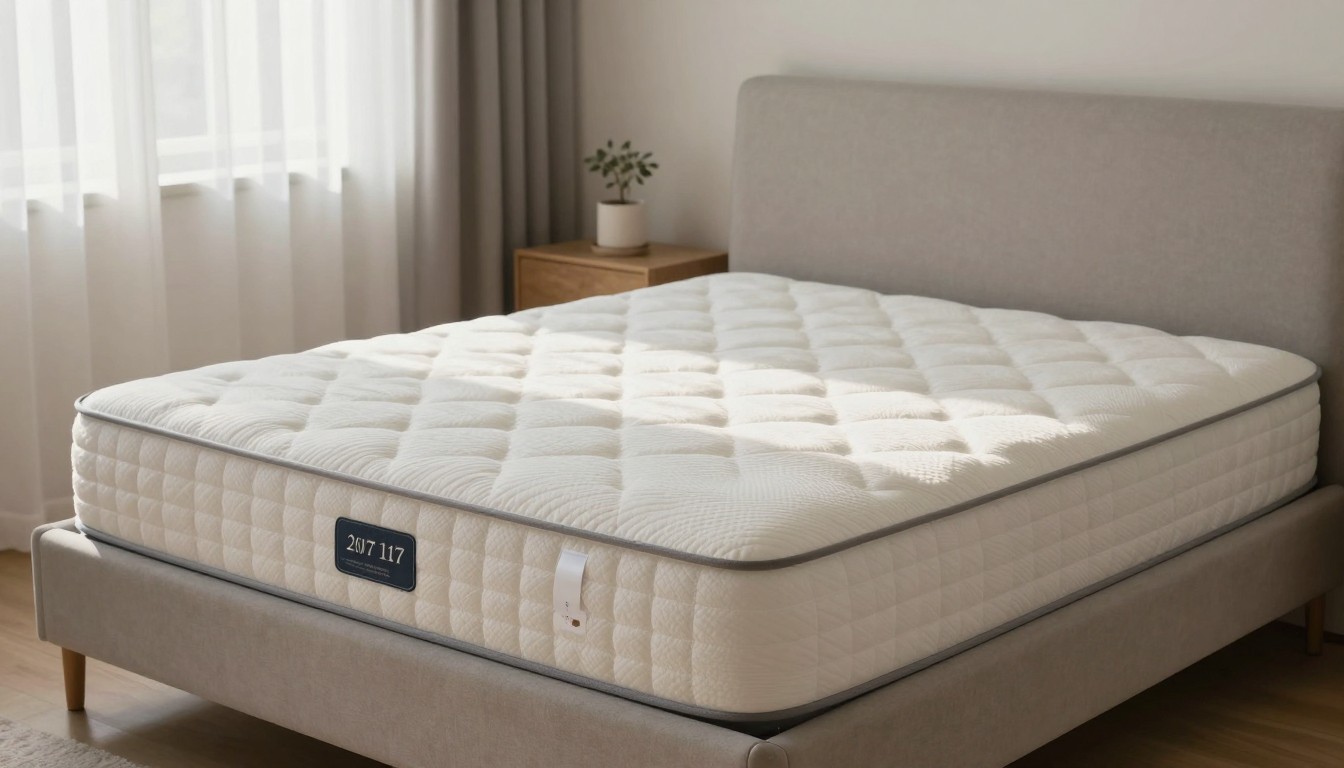
 by
by Quick answer: If you're searching 2017's best mattresses, you're shopping a snapshot that's expired. Buy on construction instead: coil gauge, foam density, cover materials. Those decide comfort and lifespan, not a model year.
- A mattress from the 2017 lists is now well into the second half of a typical lifespan, so a used or clearance unit carries most of its wear ahead of you.
- Model names survive across years while internals get revised, so a 2017 review may describe layers the current version no longer has.
- Durability comes from coil steel and foam density, both of which you can ask a manufacturer about directly instead of trusting an old ranking.
Updated July 2026 · Reviewed for accuracy
People still type "mattress 2017 best" into search, and I get why. That year was peak online-mattress hype, the era when every blog had a shortlist and every shortlist had the same handful of foam beds on it. But a 2017 ranking is a photograph, not a map. What I'll do here is translate that old question into the one worth asking: which construction choices actually make a mattress good, and how do you check them on whatever's for sale right now?
Why a 2017 Ranking Can't Be Trusted in 2026
Two things break an old list. The first is age. A mattress bought new in 2017 has been under a body for years, and foam and coils don't reverse their compression. Anything left on clearance or resale from that generation has already spent a big share of its useful life, and you inherit the back half.
The second problem is quieter and catches more people out. Manufacturers keep model names but revise what's inside them. A bed called the same thing in 2017 and 2026 can have a different foam density in the comfort layer, a different coil count, a different quilting, a different cover fiber. The name is marketing continuity. The spec sheet is the actual product. So when you read a glowing 2017 write-up and then buy that model today, you may be buying a bed that shares a badge with the one reviewed and not much else.
This is why I've stopped caring about year-stamped rankings and started caring about the numbers a manufacturer will confirm in writing. Those travel. A ranking doesn't.
The Nut's rule: if a mattress page won't tell you foam density and coil gauge, treat every comfort claim on it as decoration. Those two numbers predict how a bed ages better than any adjective a brand can print.
The Construction Details That Actually Decide Quality
Strip the marketing away and a mattress is a support system with a comfort system stacked on top. Judge both separately.
Coil gauge and coil design. In innerspring and hybrid beds, steel thickness is described by gauge, and lower gauge numbers mean thicker wire. Thicker wire resists bending longer, which is why heavier sleepers and couples who share a bed feel sag sooner on thin-gauge units. Coil design matters as much as thickness: pocketed coils move independently and isolate motion, while older interconnected systems transmit it across the surface. If you're buying a hybrid, ask whether the support unit is pocketed and whether the perimeter coils are reinforced, because edge collapse is one of the most common long-term complaints I see raised in verified owner reviews across brands.
Foam density. This is the single most predictive durability number in an all-foam or foam-topped bed. Density describes how much material occupies a given volume. Low-density comfort foam feels soft in a showroom and develops body impressions faster, because there's simply less polymer holding shape. Higher-density foam costs more per inch and holds its geometry longer. Memory foam, polyfoam and latex all follow this logic. Latex in particular tends to be the most resilient of the three, which is why it shows up in beds sold on longevity rather than price.
Layer order and thickness. A thick soft layer over a firm core sleeps very differently from a thin soft layer over the same core, even when the materials are identical. Deep comfort layers let you sink and can make turning over feel like work. Shallow ones keep you closer to the support system, which most stomach and back sleepers prefer. When a spec list gives layer thicknesses, read them as a feel forecast.
Cover and quilting. The top surface controls initial feel and a lot of the heat conversation. Tight synthetic covers trap warmth; breathable natural fibers and loose quilting let it move. Cover material won't rescue a hot core, but it changes the first ten minutes of contact, which is what most people judge a bed on in a store.
Type by Type: What the Categories Are Really Good At
| Type | Core strength | Main trade-off | Best suited to |
|---|---|---|---|
| Innerspring | Airflow through the coil layer, responsive push-back | Thin comfort layers can feel firm and transmit motion if coils aren't pocketed | Hot sleepers who dislike sinking |
| Memory foam | Contouring and motion isolation | Heat retention and slower response when density is low | Side sleepers and light-sleeping couples |
| Latex | Resilience and long service life | Heavier, and sits in the upper price tier | Buyers optimizing for durability |
| Hybrid | Coil support with a foam or latex comfort layer | Quality varies enormously with layer specs | Most sleepers wanting a balanced feel |
Notice that no category wins outright. A cheap hybrid with thin-gauge coils and low-density foam will outlast nothing. A well-built innerspring will outlast a poorly built latex bed. Category tells you the shape of the compromise, specs tell you the quality.
How Firmness Should Follow Your Sleeping Position
Firmness labels are unregulated. One brand's medium is another's medium-firm, and the same bed feels firmer to a lighter body because less weight means less penetration into the comfort layer. So treat labels as rough signals and reason from position instead.
Side sleepers load the shoulder and hip, which need somewhere to go. Too firm and those joints get pushed up while the waist stays unsupported. Softer comfort layers, or a hybrid with a genuine cushioning layer, usually suit better. Back sleepers want the lumbar curve filled without the hips dropping, which lands most of them in the medium to medium-firm range. Stomach sleepers need the hips held high or the lower back arches, so firmer surfaces are safer. Combination sleepers should prioritize responsiveness over softness, because a deep hug makes rolling over feel effortful all night.
Five questions to ask before you pay:
- What is the density of each comfort foam layer?
- Is the support unit pocketed coils, and is the perimeter reinforced?
- What are the layer thicknesses, top to bottom?
- What exactly voids the warranty, and how deep does an impression have to be to qualify?
- If I return it, who pays shipping and is there a restocking charge?
Buying Used or Clearance From That Era: My Honest Take
I'd skip it in almost every case. A used mattress gives you no view of how it was slept on, whether it sat on a supportive base, or how much of the comfort layer has already compressed. Sag is often invisible until you lie down, and by then the transaction is usually done. There's also the hygiene question, which most sellers can't answer honestly and no buyer can verify.
Old new stock is a slightly better bet, but only slightly. Foam ages in storage, and a warehouse-aged unit may have started its clock before you ever unwrapped it. Warranty coverage is often the deciding factor here: coverage tied to the original purchase date does you no good, and a clearance sale frequently comes with the warranty trimmed or waived. Read that language before you commit, because it's where the savings usually go to die.
If your current bed is the one from 2017 and you're wondering whether it's done, the tell isn't age. It's whether you wake up sorer than you went to bed, whether you can see or feel a dip where you sleep, and whether the edges have gone soft enough that sitting on them feels unstable. Any two of those together and the bed's support system has given up.
Timing, Trials and Warranties
Buying season genuinely affects what you pay. Retail cycles cluster promotions around holiday weekends and model changeovers, and I've written a longer breakdown of the calendar in when the best time to buy a mattress if you want to plan around it. The short version: patience is worth real money in this category, and there's almost always a current offer running somewhere.
On trials, the number of nights matters less than the terms. Read who pays return freight, whether there's a mandatory break-in period before you're allowed to return, and whether the trial resets if you exchange for a different firmness. A generous sleep trial with a fee attached to the return is a weaker offer than a shorter one with genuinely free pickup.
Warranties reward the same skepticism. Length is the headline, exclusions are the product. Most warranties specify a minimum impression depth before a claim is valid, and most require the mattress to have been used on an adequate foundation. Using the wrong base, or removing the law tag, can void coverage entirely. Check the manufacturer's warranty page for the specific terms rather than trusting a summary, and keep your proof of purchase somewhere you'll find it years later.
How I'd Shop Today Instead
Start with position and body weight, because those set your firmness range. Then pick a category based on the trade-off you're most willing to accept: heat versus contouring, price versus longevity, bounce versus hug. Only then start comparing specific beds, and compare them on the spec sheet rather than the star average.
Filter hard on two things. Does the brand publish, or confirm on request, foam densities and coil details? And are the return and warranty terms written in language you can actually enforce? A brand that publishes specs and clean terms is telling you it expects the bed to hold up. A brand that hides both is telling you something too.
If you want a broader walkthrough of matching a bed to a sleeper, my guide to what makes the best mattress goes deeper on feel and fit. And if you like the logic of hotel-grade builds, which lean on reinforced coil systems because they get slept on by strangers every night, the mattresses Best Western uses is a useful case study in durability-first specification.
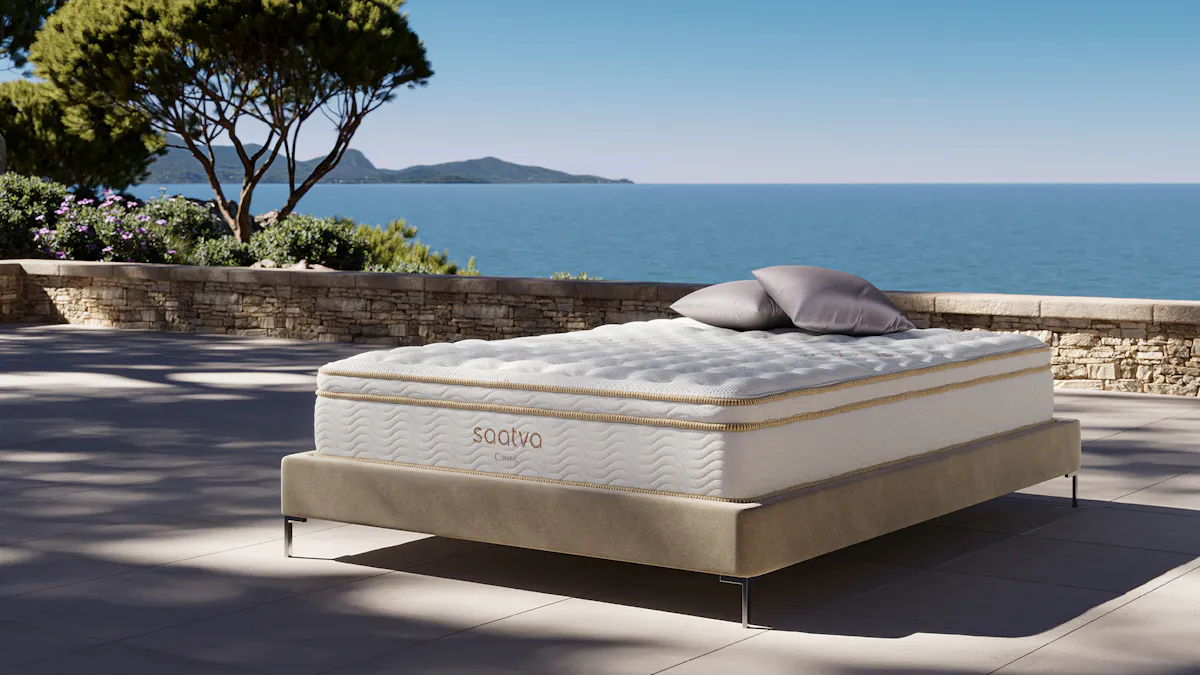
For readers who want a benchmark of what a durability-focused hybrid build looks like in the premium tier, the Saatva Classic is a reasonable reference point for its coil-on-coil construction and handcrafted US assembly, per the manufacturer. Check the current price and terms on the official site rather than any archived figure.
FAQ
Is a mattress from 2017 still good?
If it's been slept on since then, it's deep into its service life and probably past its best support. Check for visible dips, soft edges and morning stiffness. Those tell you more than the purchase date does.
Why do 2017 mattress rankings still show up in search?
Old roundup pages accumulate links and keep ranking long after the products change. The pages persist, the specs behind them don't, so read them as history rather than shopping advice.
Does a higher coil count mean a better mattress?
Not on its own. Coil count without gauge, pocketing and zoning tells you almost nothing, since a high count of thin, interconnected coils can perform worse than fewer thick pocketed ones. Ask about wire thickness and whether the perimeter is reinforced.
Which mattress type lasts longest?
Latex generally holds its shape best among common comfort materials because it's more resilient than polyfoam or memory foam. But build quality beats category, and a well-specified hybrid can outlive a cheaply made latex bed.
Should I buy a used mattress to save money?
I wouldn't. You can't see how the internals have worn, sag is often undetectable until you lie down, and warranty coverage typically doesn't transfer to a second owner. If budget is tight, wait for a promotional window on a new bed instead.
ONE OPTION WORTH COMPARING
Shopping as well as reading? Here is one current option worth comparing: the Saatva Classic. Check today’s price, sizing and return terms on the official product page before you order.
Saatva Classic
- 365-night home trial and lifetime warranty, per saatva.com
- Handcrafted in the USA, free white-glove delivery
- Flexible financing available
The Verdict
"Best mattress 2017" is the right instinct pointed at the wrong year. Nobody buys a mattress for one season, so buy for the decade: ask for foam density, ask about coil gauge and pocketing, read the warranty exclusions and the return terms, and let those answers decide. A bed that survives that interrogation will serve you better than anything that topped a list nine years ago. If you're weighing regional options, my Tupelo mattress guide shows how the same spec questions apply wherever you're shopping.