
 by
by Humans have been constructing dedicated sleep surfaces for at least 77,000 years. The archaeological and historical record of mattress technology tracks closely with human material culture more broadly — each era's sleeping technology reflects its available materials, social structures, and understanding of sleep itself. What changed across this history is the materials, scale, and commercial structure. What remained constant is the human need for a surface that cushions, insulates, and supports the body through 6-8 hours of unconsciousness.
Sibudu Cave: 77,000 Years Ago
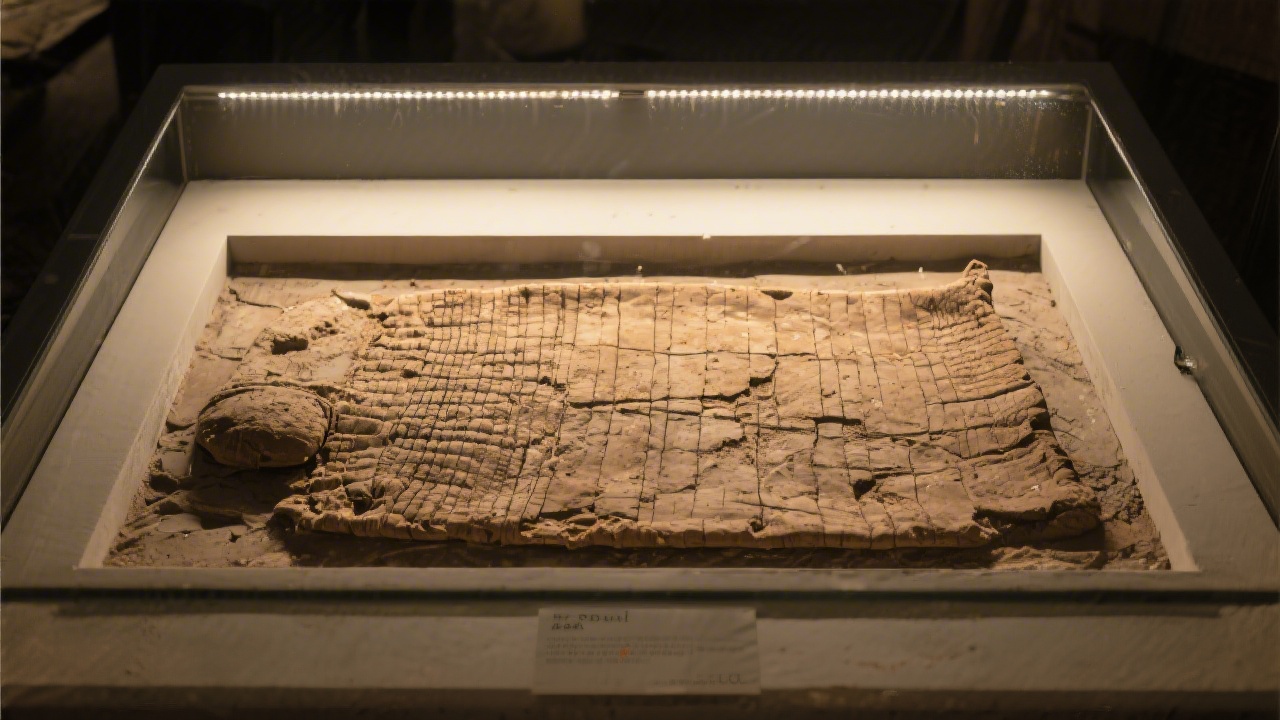
In 2011, researchers led by Lyn Wadley published findings from Sibudu Cave in KwaZulu-Natal, South Africa, documenting what they described as the oldest known constructed sleeping surface. The bed layers, dated via optically stimulated luminescence to approximately 77,000 years ago, consisted of compressed plant material including sedge, rushes, and leaves of Cryptocarya woodii.
The Cryptocarya woodii selection was significant: the plant contains chemicals toxic to insects, including mosquitoes and flies. The choice indicates deliberate material selection for functional rather than merely comfort purposes — early humans were not simply lying on available plants but choosing specific species for their pest-repelling properties. The layers also showed evidence of periodic burning, suggesting the beds were periodically torched to kill insects before rebuilding.
This represents the earliest known behavioral evidence of humans managing their sleep environment rather than simply occupying it.
Ancient Egypt and Mesopotamia
Egyptian beds (circa 3100 BCE onward) were frames of palm wood or bronze with woven rush or leather platforms. Pharaonic beds were richly decorated with carved legs and inlaid panels. The sleeping surface was typically a reed mat or folded linen rather than a stuffed mattress in the modern sense, though wealthier households used wool or linen pads.
Egyptian beds were notable for having a footboard but no headboard — sleeping was done at a slight angle, with the head elevated on a curved wooden neck rest (weres) rather than a pillow. The neck rest served a practical purpose in hot climates by allowing air to circulate around the head.
Mesopotamian sleeping furniture from the same era was similarly frame-based, with wool, reeds, and woven plant material as cushioning. Urban Sumerians slept on elevated platforms; rural populations slept on ground mats. The elevation-versus-ground distinction tracked social status across most early civilizations.
Rome and the Stuffed Mattress
Roman beds (lectus, pulvinar) introduced the stuffed mattress as a distinct product category. Roman mattresses were fabric bags filled with wool, reeds, hay, or (in wealthy households) feathers — placed on a wooden or bronze frame. The word "mattress" itself derives from the Arabic al-matrah (something thrown down), which entered European languages via the Crusades when European soldiers encountered the superior sleeping arrangements of Islamic cultures.
Roman sleeping technology was socially stratified in ways that would be familiar today: the poorest slept on straw pallets on the ground; the middle classes on wool-stuffed mats on simple wooden frames; wealthy households on elevated beds with goose-down cushions, curtained canopies, and multiple mattress layers.
Medieval Europe: Straw, Fleas, and Status
Medieval European sleeping conditions for most of the population were substantially worse than Roman precedents. The collapse of urban trade networks reduced access to quality textile materials. Most households slept on straw pallets changed seasonally, which were endemic with fleas, lice, and bedbugs. The phrase "sleep tight" derives from the rope or strap supports of period beds that required regular tightening to prevent sagging.
The medieval great hall sleeping arrangement — where lord, family, servants, and guests all slept in a common space on pallets arranged around the central hearth — was standard for households below noble status well into the 15th century. Privacy in sleep was an aristocratic luxury.
By the 15th and 16th centuries, feather beds had become the premier luxury item for the aspiring classes. Shakespeare's will notably bequeathed his "second-best bed" to his wife — the best bed being a guest-bed, the second-best being the marital bed, a distinction that speaks to period sleeping culture.
The 18th and 19th Centuries: Industrialization of Sleep
The Industrial Revolution transformed mattress production from craft to manufacture. Cotton gin technology (1793) made cotton batting cheap and widely available, replacing hay and straw as a standard fill. The first coil spring patent was filed by Heinrich Westphal in Germany in 1871, introducing the metal spring as a structural element. James Marshall's pocketed coil design (Canada, circa 1899) wrapped individual springs in fabric pockets — the fundamental architecture of modern innerspring mattresses.
By the mid-19th century, horsehair had become the preferred high-end fill material for its combination of firmness, durability, and relative pest resistance. A quality horsehair mattress could last 20-30 years with periodic refilling — a durability standard that modern foam mattresses have not matched.
The 20th Century: Mass Market and Specialization
Zalmon Simmons commercialized the Marshall pocketed coil in the Beautyrest mattress in 1925, creating the first national premium mattress brand. The interwar period established the commercial mattress industry's basic structure that persists today: brand-name manufacturers, standardized sizing, retail distribution, and planned replacement cycles. For the full commercial history, see our companion guide to the modern mattress industry history.
Latex foam, developed in the 1920s by Dunlop in England, introduced the first alternative to spring and fill construction. Memory foam followed from NASA research in 1966. The late 20th century saw the proliferation of specialized mattress types — waterbeds (peak popularity 1980s), airbeds, hybrid constructions — that represent the most rapid diversification in the technology's history.
What 75,000 Years of Evolution Tells Us
The through-line of mattress history is the progressive refinement of the same fundamental requirements: pressure distribution across bony prominences, thermal regulation, pest exclusion, and social signaling of status. Understanding the evolutionary biology of sleep explains why these functional requirements are non-negotiable — the restorative functions of sleep depend on the body achieving specific states that pressure-induced discomfort disrupts.
Modern today's best mattresses represent the culmination of that technological evolution, though the environmental costs of synthetic materials create new considerations compared to the entirely biodegradable materials of prior eras. See our full analysis of the environmental lifecycle of mattresses.
Frequently Asked Questions
What is the oldest evidence of a human sleeping surface?
The oldest known constructed sleeping surface was discovered at Sibudu Cave in South Africa and dated to approximately 77,000 years ago. The bed consisted of compressed layers of Cryptocarya woodii (a plant with insecticidal properties) overlaid with other leaves and plant material, suggesting deliberate material selection for pest resistance.
When did mattress stuffing materials evolve?
Roman-era mattresses (1st century BCE-4th century CE) used wool, reeds, and straw stuffing in fabric casings. Medieval European mattresses used hay and straw. By the 17th century, feather and down mattresses were status symbols in wealthy European households. Horsehair filling became standard in the 18th and 19th centuries for its durability and firmness.
Who invented the coil spring mattress?
The first pocketed coil patent was filed by Heinrich Westphal in Germany in 1871. James Marshall refined the design with individually wrapped coils in Canada around 1899-1900. Zalmon Simmons commercialized the Beautyrest pocketed coil mattress in 1925, creating the first mass-market premium mattress product.
When did memory foam mattresses originate?
Memory foam (temper foam or visco-elastic foam) was developed by NASA in 1966 to improve crash absorption in aircraft seats. NASA published the technology for commercial use in the 1980s. Fagerdala World Foams of Sweden created the first commercial memory foam mattress in 1991. Tempur-Pedic brought it to mass market in the United States in the late 1990s.
What is the King bed's historical origin?
The King-size bed (76 x 80 inches in the U.S.) was introduced as a commercial product in 1945, reflecting post-war prosperity and larger American homes. Before standardized sizing, beds were built custom to room and household dimensions. The standardization of Queen (1940s-60s) and King dimensions was driven by the commercial mattress industry rather than any architectural or anthropological standard.
Key Takeaways
Mattress Anthropology is a topic that depends heavily on individual needs and preferences. The most important thing is to consider your specific situation — your body type, sleep position, and personal comfort preferences — before making any decisions. When in doubt, take advantage of trial periods to test before committing.