
 by
by Our Top Pick: Saatva Classic
Chiropractor-endorsed coil-on-coil construction with lumbar zone enhancement. Available in Plush Soft, Luxury Firm, and Firm.
Why Coccyx Pain Gets Worse During Sleep
The coccyx (tailbone) is the small triangular bone at the very base of the spine. It serves as an attachment point for several ligaments and muscles but is not a load-bearing structure during standing or walking. However, during back sleeping, the coccyx receives direct compressive force from the mattress surface. This concentrated pressure, sustained over 7-8 hours, inflames the coccygeal joints, ligaments, and the bursa around the tip of the coccyx.
Coccydynia (coccyx pain) affects an estimated 1 in 100 people at some point, with women five times more affected than men due to the broader female pelvic anatomy that leaves the coccyx more exposed. Childbirth, falls, and prolonged sitting are common causes. A wrong mattress can both cause and significantly exacerbate the condition.
Related: our best mattress for back pain covers the full lower back pain sleep approach.
Pros and Cons
What We Like
- Luxury innerspring with excellent lumbar support
- Multiple firmness options available
- Free white-glove delivery and mattress removal
- 365-night trial and lifetime warranty
What Could Be Better
- Higher price than many online brands
- Heavier than foam mattresses
- Not compressed in a box
- Some off-gassing possible initially
How Mattress Firmness Affects Coccyx Pressure
Too Firm (7+/10)
On a firm mattress, the coccyx receives the full concentrated weight of the pelvis with no cushioning. The pressure per square centimeter at the coccyx on a firm mattress can be several times higher than on a medium-soft mattress. This is the worst scenario for coccydynia — 8 hours of intense, continuous pressure on an already inflamed structure.
Too Soft (1-3/10)
Counterintuitively, an excessively soft mattress can also worsen coccyx pain. On a very soft mattress, the hips sink deeply into a hammock position. The coccyx, being at the lowest point of the sacral-pelvic curve in this position, can be pushed upward by the mattress material below it — creating an upward pressure rather than a downward one. The result is similar: sustained pressure on the coccyx, just from a different direction.
Medium-Soft (4-5/10) — The Target
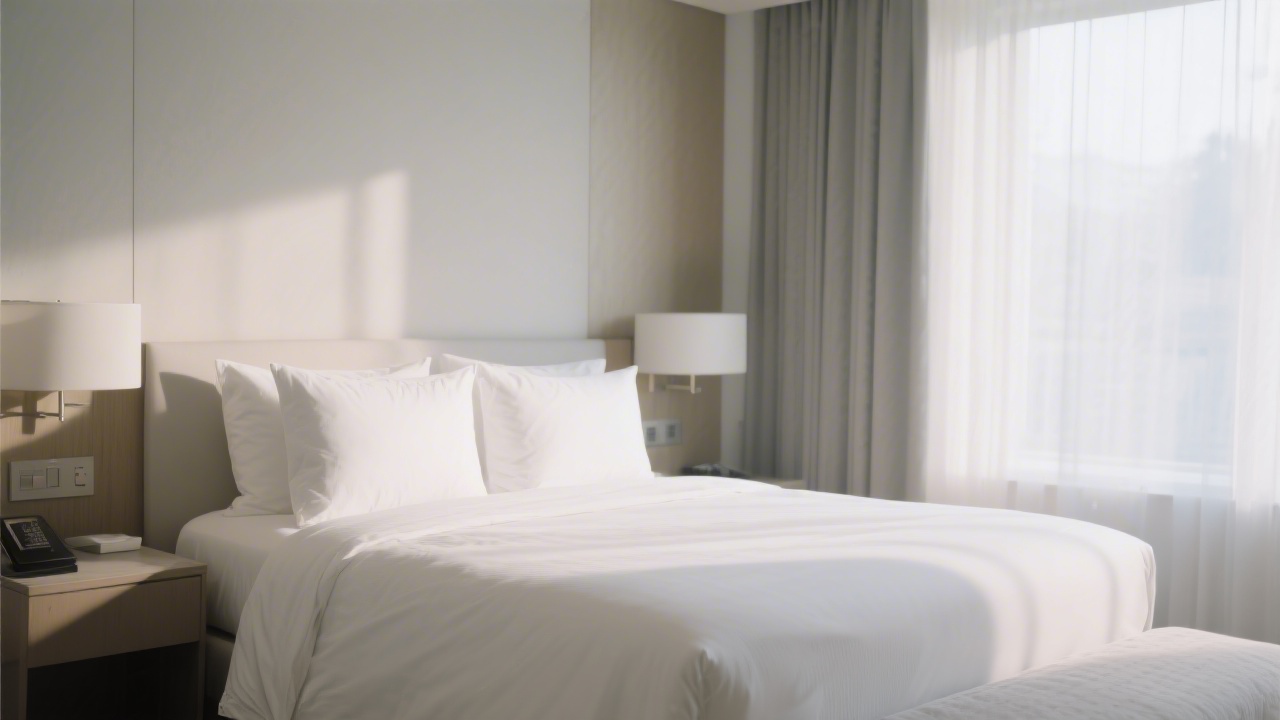
A medium-soft mattress allows the hips to sink slightly, redistributing pressure from the coccyx point across the broader sacral area. The coccyx effectively "floats" slightly in the minor depression created by hip sinkage, significantly reducing direct pressure. This is why sleeping in a hotel bed sometimes improves coccyx pain — hotel mattresses are typically medium-soft.
Best Sleep Positions for Coccyx Pain
Primary: Side Sleeping
Side sleeping eliminates direct coccyx pressure entirely by transferring the contact surface to the lateral hip and shoulder. For most coccyx pain sufferers, switching from back to side sleeping is the single most effective sleep strategy. Use a pillow between the knees to maintain hip alignment and prevent lumbar rotation.
Back Sleeping with Modifications
If you prefer back sleeping, two modifications significantly reduce coccyx pressure:
- Coccyx cutout pillow: Place a coccyx cutout pillow under your pelvis. The U-shaped cutout suspends the tailbone in air, eliminating all direct pressure. This is the most effective single intervention for back-sleeping coccyx pain.
- Leg elevation: Elevating the legs 15-20 degrees (with a pillow under the knees or adjustable base) shifts weight slightly toward the upper back and reduces coccyx loading. An adjustable base for back pain is ideal for this.
Pillow Placement Strategy
Even on a good mattress, pillow placement determines coccyx pressure in back sleeping:
- Pillow under the knees: redistributes weight toward the calves, reduces pelvis weight on mattress surface
- Small rolled towel under each side of the pelvis: creates a bridge that suspends the coccyx
- Avoid pillow directly under the lower back or hips: this can increase coccyx extension and pressure
Saatva Classic for Coccyx Pain
The Saatva Plush Soft (3/10) or Luxury Firm (5.5/10) variants are most appropriate for coccyx pain, depending on body weight. For back sleepers under 180 lbs, the Plush Soft provides adequate hip sinkage to relieve coccyx pressure. For back sleepers over 180 lbs or those who primarily side sleep, the Luxury Firm provides enough support to prevent the hammock effect while still offering comfort layer cushioning. See our Saatva Classic review for more.
Our Top Pick: Saatva Classic
Chiropractor-endorsed coil-on-coil construction with lumbar zone enhancement. Available in Plush Soft, Luxury Firm, and Firm.
Frequently Asked Questions
What mattress firmness is best for tailbone pain?
Medium-soft to medium (4-5/10) is best for most coccyx pain sufferers. The tailbone needs to sink slightly into the mattress surface to relieve direct pressure in back sleeping. A too-firm mattress creates a hard pressure point at the coccyx, worsening pain significantly. Too soft creates a hammock that pushes the tailbone upward from the saggy center. Medium softness with adequate support below is the target.
Is it better to sleep on your back or side with coccyx pain?
Side sleeping is generally better for acute coccyx pain because it completely removes direct pressure from the tailbone. In back sleeping, the coccyx is directly under the pelvis and receives the full weight concentration. If you must back sleep, a donut-shaped coccyx pillow or a wedge pillow that elevates the lower body can redistribute pressure away from the tailbone.
Can a mattress cause tailbone pain?
Yes — a too-firm mattress is a common cause or exacerbator of tailbone pain in back sleepers. Hard mattresses create intense pressure at the coccyx, which can inflame the coccygeal ligaments and cartilage. If your tailbone pain is worse in the morning and improves during the day after movement, your mattress firmness is likely contributing.
How do I protect my tailbone while sleeping on my back?
Use a coccyx cutout pillow or wedge pillow under the pelvis. The cutout suspends the coccyx in air, completely relieving direct pressure. On a memory foam or soft-topped mattress, a rolled towel placed under each side of the pelvis (not under the coccyx itself) can create a bridge that relieves direct tailbone pressure. Additionally, a medium-soft mattress surface allows natural sinkage that partially achieves the same effect.
Does coccyx pain improve with sleep position changes?
Yes, significantly. Most coccyx pain is a direct pressure issue that responds immediately to position changes. Side sleeping with the knees slightly bent eliminates coccyx pressure completely. The challenge is maintaining the position all night. A body pillow positioned along the front of the body can help maintain the side-sleeping position throughout the night.