
 by
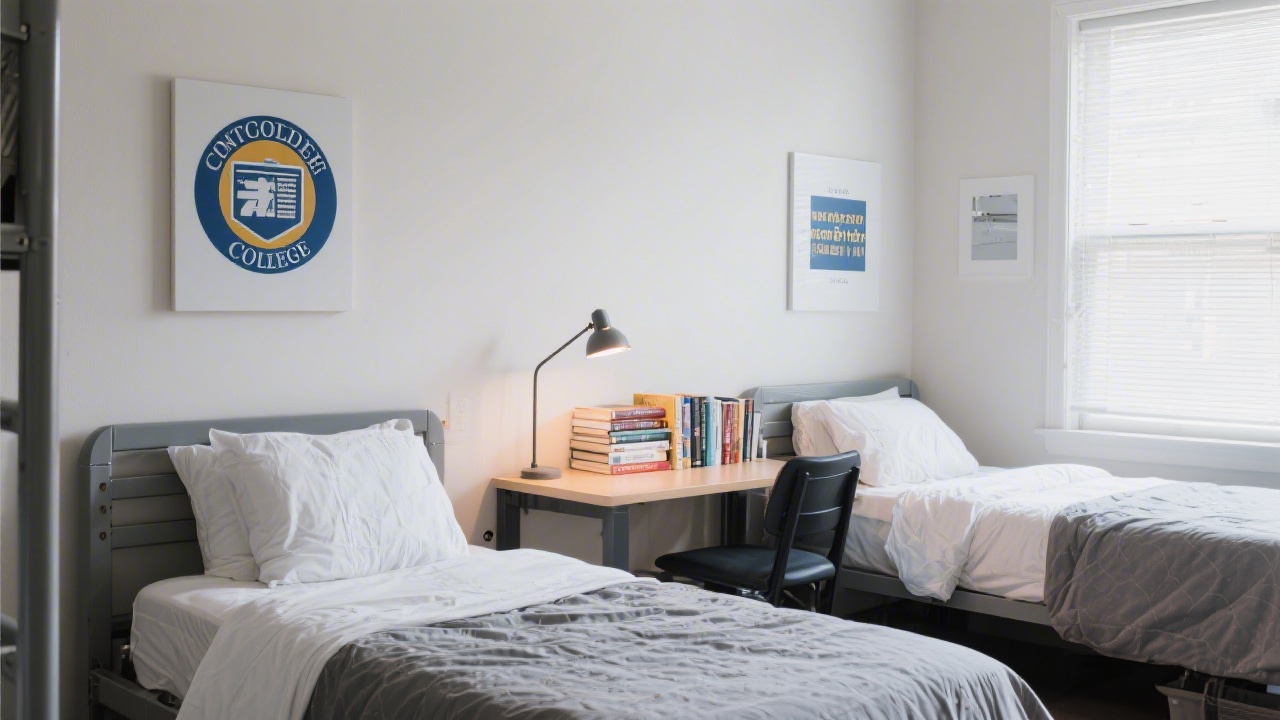
by College dorms are one of the most specific mattress buying scenarios: the size is non-negotiable (Twin XL), the transport constraints are real (compressed shipping or car-haul), and the budget ceiling is firm (under $500 for most students). This guide covers what actually matters for an 8-month academic year purchase - and what to save up for when you graduate.
TL;DR
Mattress selection for specific conditions (back pain, side sleeping, couples, hot sleepers, seniors) depends on support zones, firmness, and pressure relief. Saatva Rx ($2,095) is designed specifically for chronic pain sleepers with lumbar zone support.
Jump to section
- What Makes a Good Dorm Mattress
- Pros and Cons
- 7 Twin XL Options Under $500
- Dorm Mattress Buying Tips
- What to Get When You Graduate
- TOP MATTRESS PICKS BY CATEGORY
→ Best Mattress 2026: Definitive Rankings
→ Best Cooling Mattress
→ Best Mattress for Back Pain
→ Best for Side Sleepers
→ Best Mattress for Couples
Our top mattress recommendation
After testing dozens of mattresses, a budget hybrid (under $500) remains the most versatile pick for most sleepers. Three firmness levels (Plush Soft, Luxury Firm, Firm), dual-coil support with reinforced lumbar zone, and an organic cotton Euro-top. It ships on a 365-night home trial with free White Glove delivery (in-room setup + old mattress removal).
Ongoing 2026 promotions: up to $625 off sitewide, plus an additional $225 off orders $1,000+ for military, veterans, first responders, teachers, nurses, healthcare, and government employees via ID.me. Lifetime warranty included.
Check a budget hybrid mattress Deal
Ready for a real upgrade?
The upgrade waiting after graduation - America's best-reviewed innerspring hybrid, built to last 10–15 years.
Save this one for graduation - a budget hybrid (under $500) starts at $1,095 and will outlast your student loans.
Shop a budget hybrid mattress →
What Makes a Good Dorm Mattress
Unlike buying a mattress for your home, a dorm purchase has hard constraints. The right mattress checks three boxes:
- Twin XL size - 38" x 80" is the standard for 95%+ of US dormitories. Confirm with your specific school before ordering.
- Easy setup - Bed-in-a-box foam and hybrid options arrive compressed, no crew needed. Traditional innersprings require a frame and setup.
- Washable or protectable cover - Dorm rooms are high-traffic. A removable, washable cover or a mattress protector is non-negotiable.
Pros and Cons
What We Like
- Luxury innerspring with excellent lumbar support
- Multiple firmness options available
- Free white-glove delivery and mattress removal
- 365-night trial and lifetime warranty
What Could Be Better
- Higher price than many online brands
- Heavier than foam mattresses
- Not compressed in a box
- Some off-gassing possible initially
7 Twin XL Options Under $500
1. Zinus Green Tea Memory Foam 8" - Best Under $150
The Zinus 8" Twin XL consistently ranks as the top value-for-price dorm mattress. CertiPUR-US certified foam, compressed shipping, and fits most dorm bed frames without issue. Sleep quality is decent for the price - don't expect lumbar support. Good for 1–2 years of use.
2. Linenspa 8" Hybrid - Best Under $200
Linenspa's entry-level hybrid adds 312 steel coils beneath the memory foam layer - better edge support and cooler sleep than pure foam. Ships compressed in a box. One of the few hybrids available under $200 in Twin XL.
3. Tuft & Needle Original - Best Under $300
Tuft & Needle's adaptive foam sleeps cooler than standard memory foam and offers noticeably better pressure relief. At $229–$249 for Twin XL, it's the sweet spot between budget and comfort. 100-night trial included.
4. Nectar Memory Foam 12" - Best for Side Sleepers
The Nectar Classic offers a full 12-inch profile with 4 foam layers including a cooling cover. At around $399 for Twin XL, it's at the top of the budget range but includes a 365-night trial - longest in the industry - and a lifetime warranty.
5. Amazon Basics Memory Foam 8" - Cheapest Option
At under $100 in Twin XL, this is the truly minimum viable dorm mattress. Functional for 1 year, little else. Fine if you're supplementing with a thick mattress topper.
6. Purple Original - Best Cooling Under $500
Saatva Rx
Designed for chronic pain · Doctor-approved · Lumbar zone · 365-night trial · Lifetime warranty. Saatva is one of the few mattress brands to pair a multi-hundred-night home trial with a lifetime-scale warranty.
- Price: From $2,095 (Twin)
- Free white-glove delivery & old-mattress removal (US)
- 365-night home trial on mattresses
- ID.me discount for military, veterans, first responders, teachers, seniors
- GREENGUARD Gold certified construction
Check a recommended price
Affiliate disclosure: we may earn a commission from this link at no extra cost to you.
Purple's grid technology sleeps distinctly cooler than foam alternatives - a real advantage in non-AC dorms. Around $449 for Twin XL. The feel is unique (bouncy, pressure-relieving) - try it at a Mattress Firm if possible first.
7. a Twin XL budget memory foam (Linenspa, Zinus, Tuft & Needle) (for the Future)
Not a dorm pick - but if you're buying for a high schooler or planning ahead, the a Twin XL budget memory foam (Linenspa, Zinus, Tuft & Needle) features dual-sided firmness (firmer for teens, softer for young adults) and grows with the user through college age.
Dorm Mattress Buying Tips
- Always use a waterproof mattress protector. Dorm rooms have had many previous occupants. Non-negotiable hygiene addition.
- Check your dorm's loft policy. Some schools let you loft the bed - this changes the height equation and which mattress thickness works.
- Confirm Twin XL before ordering. A tiny minority of older dorms still use standard Twin (75" long). Measure the existing mattress or call housing.
- Plan for donation or storage. Most dorm mattresses don't survive 4 years of storage. Buy cheap, donate at the end of the year, and upgrade post-graduation.
What to Get When You Graduate
Frequently asked questions
Our top pick for this niche
a budget hybrid (under $500)
The most-ordered luxury hybrid on the US market.
Check current price →
What mattress matches this specific need?
For most niche-specific requirements the a budget hybrid mattress in the right firmness level (Plush Soft, Luxury Firm, or Firm) covers it. Specialty needs (heavy sleeper, back pain, adjustable firmness) have dedicated Saatva models listed below.
How do I pick a mattress for a specific condition or preference?
Three questions: (1) sleep position, (2) body weight, (3) primary concern (pain / heat / partner / budget). Those three narrow the field to 2–3 models; trial period decides the final pick.
How long before I know if a mattress is right?
4–6 weeks for most sleepers. That's why 100+ night trials are non-negotiable and a generous 100-night trial is the longest on the mainstream US market.
After 4 years of dorm mattresses, the jump to a real bed is one of the best quality-of-life upgrades you can make. The a budget hybrid (under $500) is the standard recommendation for first post-college apartments - a hotel-quality innerspring hybrid with free white-glove delivery and old mattress removal included.
See also: Best Mattress for Platform Beds | Mattress Size Guide | Best Mattresses 2026
Ready for a real upgrade?
Graduate to a budget hybrid (under $500) - America's best-reviewed innerspring hybrid, built to last 10–15 years.
Ships free, set up in-room, old mattress removed - perfect for your first real apartment.
Shop a budget hybrid mattress →
Frequently Asked Questions
What size mattress do college dorms use?
Almost all US college dorms require a Twin XL mattress, which measures 38 inches wide by 80 inches long - 5 inches longer than a standard Twin. Always confirm with your school before buying.
Can I bring a memory foam mattress to a dorm?
Yes. Bed-in-a-box memory foam mattresses are the easiest dorm option - they compress for shipping, unbox in minutes, and require no setup crew. Look for CertiPUR-US certified foam.
How thick should a dorm mattress be?
Aim for 8–10 inches. Thicker than 12 inches may be too heavy to move, and dorm beds often have thin slatted frames that perform best with mid-profile mattresses.
Are dorm mattresses comfortable?
Built-in dorm mattresses are typically 4–5 inch vinyl-covered foam - functional but not comfortable for 8+ hour sleep. A mattress topper or your own mattress dramatically improves sleep quality.
What is the best budget mattress for a college dorm?
For under $300, look at the Zinus Green Tea Memory Foam (8") or Linenspa Hybrid - both come in Twin XL, ship compressed, and hold up for 1–2 years. For $300–500, the Tuft & Needle Original offers better support and durability.
More Mattress College reviews & guides
- Mattress For College Dorm →
- Dorm Bed Comfortable →
- College Mattress 2026 →
- College Dorm Beds Ideas →
- Dorm Mattress Rules →
- Dorm Bed Risers →
- Dorm Bed Skirt →
- Mattress Topper Pad College →
- College Dorm Mattress →
- Best Mattress For College Students →
- Best Mattress For College →
- Best Mattress Topper For College →
- Dorm Under Bed Storage →
- How Loft Dorm Bed →