
 by
by The Saatva Classic: Built for Spinal Support and Pressure Relief
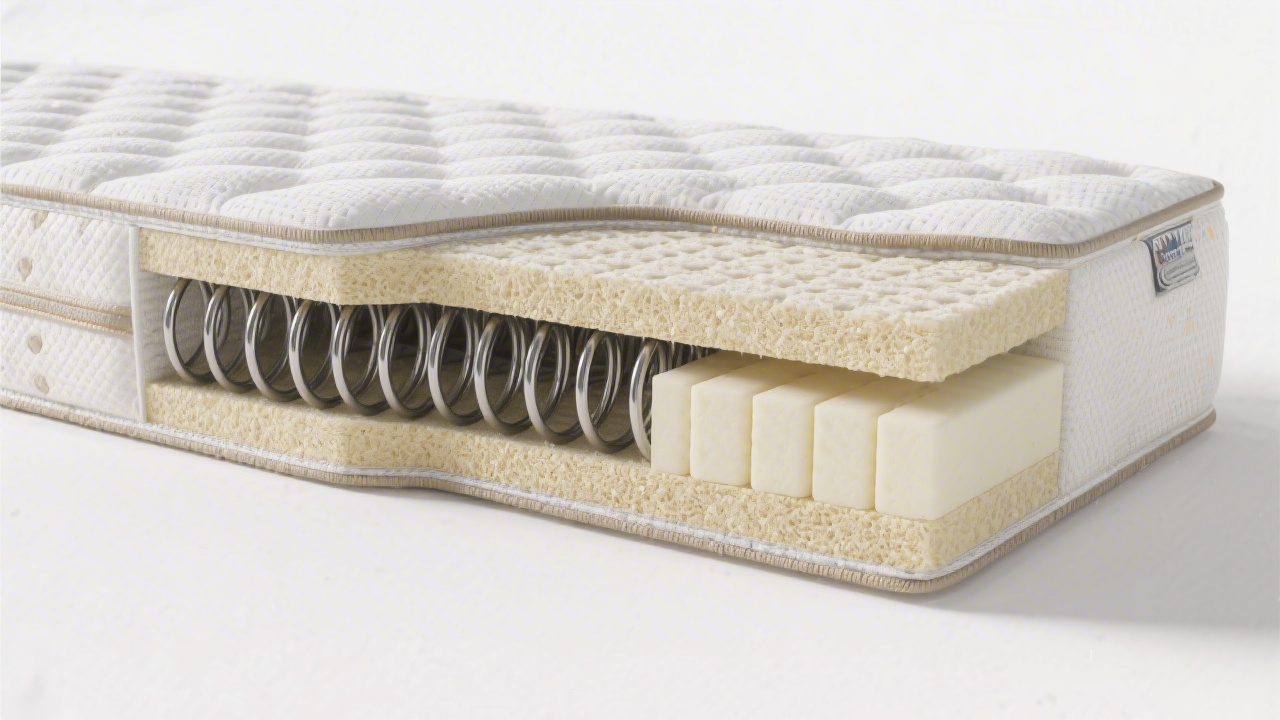
Dual-coil construction with a Euro pillow top — engineered for alignment and pressure distribution. Highly rated by pain management patients.
A mattress is not a medical device — but it is a passive pain management tool that operates for 7-9 hours every night. The mechanisms by which a mattress influences pain are well-defined: pressure distribution, spinal alignment, sleep continuity, and temperature regulation each directly affect pain processing. Understanding these mechanisms allows evidence-based mattress selection as part of a pain management strategy.
Mechanism 1: Pressure Distribution and Nociceptor Activation
Pressure points occur when body weight concentrates on a small surface area — typically the greater trochanter (hip), acromion (shoulder), and lateral knee in side sleepers; the sacrum and heels in back sleepers. When pressure exceeds capillary closing pressure (approximately 32mmHg), local ischemia develops, activating mechanonociceptors and producing pain signals. On a firm, non-conforming mattress, these pressures are reached within 20-30 minutes, causing positional pain that triggers micro-arousals.
A mattress with adequate conforming layers (pillow top, latex, adaptive foam) distributes pressure across a larger surface area, keeping peak pressures below the nociceptive threshold at the body's bony prominences. Pressure mapping studies consistently show that medium-firm innerspring-hybrid mattresses with pillow tops achieve lower peak pressure values at the hip and shoulder versus firm innerspring or dense foam alternatives.
Mechanism 2: Spinal Alignment During Sleep
The spine has three natural curves — cervical lordosis, thoracic kyphosis, and lumbar lordosis. During sleep, maintaining these curves in their natural orientation prevents sustained loading of facet joints, intervertebral discs, and paraspinal muscles. A mattress that is too firm holds the spine in whatever position body geometry dictates without conforming to it — for side sleepers, this means lateral flexion and increased disc pressure. A mattress that is too soft allows the heaviest body segments (hips, shoulders) to sink below the natural curve, creating sustained spinal flexion or extension that loads posterior structures.
Clinical studies of mattresses for back pain consistently find medium-firm mattresses outperform both firm and soft across pain intensity, disability, and sleep quality outcomes. The mechanism is neutral spinal alignment: reducing the mechanical load on pain-generating structures over the 7-8 hour sleep window.
Mechanism 3: Sleep Continuity and Pain Recovery Processes
Natural pain recovery requires uninterrupted sleep. Slow-wave sleep (N3) is the primary period for:
- Growth hormone secretion (tissue repair and regeneration)
- Suppression of descending pain facilitation pathways
- Glymphatic clearance of neuroinflammatory molecules
- HPA axis recalibration (cortisol normalization)
A mattress that creates pressure points or poor alignment causes micro-arousals that fragment slow-wave sleep. Each micro-arousal — even if not consciously remembered — reduces total slow-wave sleep time and shortens the window for these recovery processes. For chronic pain patients, where recovery processes are already compromised, this fragmentation has disproportionately large effects on next-day pain levels.
Mechanism 4: Temperature Regulation
Core body temperature must drop 1-2 degrees Fahrenheit to initiate and maintain sleep. A mattress that traps heat — primarily dense viscoelastic foam (memory foam) — elevates skin temperature and disrupts the thermogenic signaling required for deep sleep maintenance. For patients with inflammatory pain conditions (RA, fibromyalgia), who often have dysregulated thermoregulation, heat-retaining mattresses exacerbate both sleep fragmentation and inflammatory processes. Innerspring systems with open coil structures and breathable ticking allow passive airflow that regulates temperature more effectively.
What Mattress Properties to Prioritize for Pain Management
| Property | Pain Mechanism | Optimal Specification |
|---|---|---|
| Pressure relief | Nociceptor activation at pressure points | Euro pillow top 2+ inches, or adaptive latex layer |
| Spinal alignment | Mechanical loading of discs, facets, muscles | Medium-firm support core; zoned lumbar support |
| Motion isolation | Partner-triggered micro-arousals | Pocketed coils; foam-over-coil construction |
| Temperature | Heat-disrupted sleep continuity; inflammation | Open-coil innerspring; breathable natural cover |
| Edge support | Stability when sitting/standing (pain patients) | Reinforced perimeter coils or foam encasement |
Mattress Types Ranked for Pain Management
Innerspring-Hybrid (Recommended)
Pocketed coil support core with comfort layers (latex, foam, pillow top). Provides the best combination of pressure relief, spinal alignment, temperature regulation, and durability for pain patients. Medium-firm variants are the most clinically well-supported mattress type for chronic pain conditions.
Latex
Natural latex provides excellent pressure relief and temperature regulation. More responsive than foam (easier repositioning for pain patients). Higher cost. Good option for pain patients who prefer a buoyant feel over innerspring support. Dunlop latex is firmer and more supportive; Talalay is softer and more pressure-relieving.
Memory Foam
Excellent pressure relief but poor temperature regulation and high motion resistance (difficult to reposition for pain patients). The heat retention issue is clinically significant for inflammatory pain conditions. Gel-infused or open-cell variants mitigate but do not eliminate this. Not recommended as a primary recommendation for pain management; acceptable as a comfort layer in hybrid construction.
All-Foam
Lower cost, good motion isolation, but lacks the support structure of innerspring for maintaining spinal alignment under variable load. More appropriate for lighter sleepers without severe spinal pain.
For condition-specific guidance, see our articles on chronic pain and the sleep cycle, fibromyalgia sleep tips, and arthritis sleep positioning.
Passive Pain Management Starts With the Right Surface
The Saatva Classic's zoned lumbar system, Euro pillow top, and open coil airflow combine the four properties most evidence-backed for chronic pain sleepers.
Frequently Asked Questions
Can a mattress alone manage chronic pain?
No. A mattress is one component of a pain management strategy, not a standalone treatment. It provides passive support that reduces nocturnal nociceptive input and protects restorative sleep — both of which are clinically significant for chronic pain outcomes. But it works synergistically with medical treatment, physical therapy, and behavioral interventions, not as a replacement for them.
How often should a pain patient replace their mattress?
Most quality innerspring-hybrid mattresses maintain their performance for 8-10 years. For pain patients, the relevant indicator is not time but support loss: if you wake with new or worsening pain that improves after getting up and moving, if you can feel the mattress structure through the comfort layer, or if there is visible sagging greater than 1 inch, the mattress requires replacement regardless of age.
Does mattress firmness actually affect pain?
Yes — multiple RCTs confirm this. The most frequently cited study (Kovacs et al., The Lancet) randomized 313 chronic low back pain patients to firm vs. medium-firm mattresses. Medium-firm patients showed significantly better pain intensity and disability outcomes at 90 days. Subsequent studies have replicated this finding across back pain, hip pain, and mixed chronic pain populations.
Is a mattress topper a viable alternative to replacing a mattress?
A topper can improve pressure relief if the mattress support core is still functional. If the underlying mattress has lost its support (sagging, soft zones), a topper provides comfort layer on an unstable base — which can worsen alignment. For pain patients with limited budget, a 2-3 inch latex or high-density foam topper on a structurally sound but comfort-layer-depleted mattress is a reasonable interim solution.
Do adjustable bases help with pain management?
Yes, particularly for lumbar, hip, and cervical pain. Adjustable bases allow the zero-gravity position (head 20-30 degrees elevated, knees slightly elevated) which reduces lumbar disc pressure and hip joint loading. They also allow post-sleep position adjustment before standing — reducing the load-bearing challenge of rising from a flat position when joints are stiff. They are an evidence-supported accessory for pain management, not just a comfort upgrade.