
 by
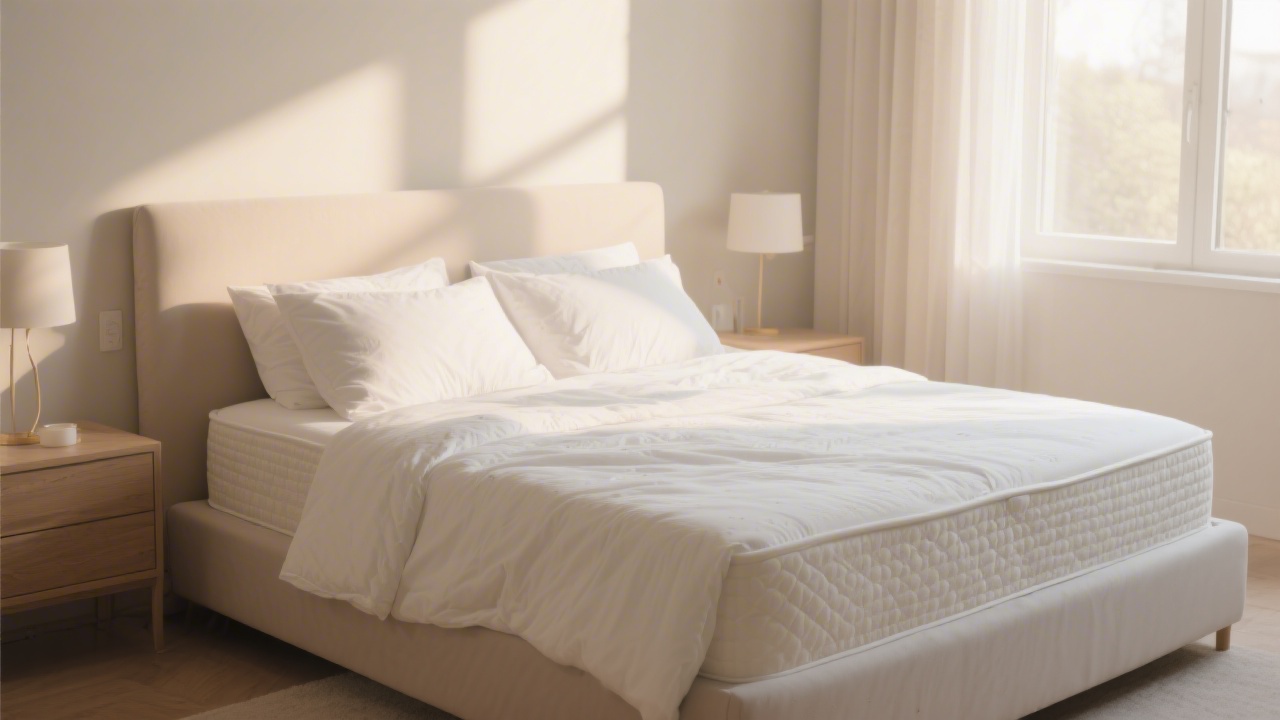
by Our Top Pick: Saatva Classic
Chiropractor-endorsed coil-on-coil construction with lumbar zone enhancement. Available in Plush Soft, Luxury Firm, and Firm.
What Is Piriformis Syndrome and Why Does Sleep Matter
The piriformis is a small, deep hip muscle that runs from the sacrum to the top of the femur. Its primary function is external rotation of the hip. The sciatic nerve runs either under, through, or over the piriformis muscle depending on anatomical variation. When the piriformis becomes tight, inflamed, or in spasm, it can compress the sciatic nerve, causing pain that mimics disc herniation — buttock pain, hip pain, and radiating leg pain.
Sleep is a critical factor because lying still for 7-8 hours in the wrong position maintains constant compression on the piriformis. The hip position during sleep directly affects piriformis muscle tension. Related conditions include hip bursitis and the best mattress for hip pain cluster of conditions — piriformis syndrome overlaps with both.
Pros and Cons
What We Like
- Luxury innerspring with excellent lumbar support
- Multiple firmness options available
- Free white-glove delivery and mattress removal
- 365-night trial and lifetime warranty
What Could Be Better
- Higher price than many online brands
- Heavier than foam mattresses
- Not compressed in a box
- Some off-gassing possible initially
How Sleep Position Affects the Piriformis
Side Sleeping
Side sleeping is the most common position and can be either the best or worst for piriformis syndrome depending on technique.
Problematic: Sleeping on the affected side with the hip flexed above 90 degrees — this position shortens and compresses the piriformis, maintaining it in a contracted state all night.
Optimal: Sleeping on the unaffected side with the affected leg slightly behind the body (hip in slight extension) and a pillow between the knees/thighs. This position lengthens the piriformis and reduces sciatic nerve contact.
Back Sleeping
Back sleeping is generally good for piriformis syndrome because it positions the hip in neutral extension, which reduces piriformis tension. However, on a too-soft mattress, the hips sink and rotate outward, shortening the piriformis externally. On a too-firm mattress, hard pressure on the sacrum increases tension in the piriformis origin.
Optimal back sleeping setup: Medium-firm mattress, pillow under the knees (not under the lower back), legs in neutral alignment (not externally rotated).
Stomach Sleeping
Stomach sleeping places the hip in a flat external rotation position that is highly problematic for piriformis syndrome. The constant external rotation throughout the night keeps the piriformis in a contracted and shortened position, typically worsening symptoms significantly. Stomach sleeping is not recommended for piriformis syndrome.
Mattress Firmness and Piriformis Tension
The piriformis originates at the sacrum and inserts at the greater trochanter. Mattress firmness affects this muscle by controlling the position of both attachment points during sleep.
On a too-firm mattress in side sleeping: the greater trochanter cannot sink into the surface, creating pressure point pain that radiates to the piriformis region. The pelvis tilts laterally to relieve this pressure, shortening the piriformis on the sleeping side.
On a too-soft mattress in back sleeping: the hips sink and rotate outward, externally rotating the femur, which shortens the piriformis. The same mechanism that tightens the muscle during sitting occurs all night.
Medium firmness (5-6/10) prevents both extremes. For a broader view of mattress choices for deep hip conditions, our best mattress for back pain includes relevant guidance.
Pre-Sleep Piriformis Protocol
- Figure-four stretch: Lying on your back, cross the affected ankle over the opposite knee, gently pull the uncrossed leg toward your chest. Hold 30-45 seconds. Repeat 3 times per side.
- Supine hip internal rotation stretch: Lying on back, let the affected leg fall inward (internally rotate). This counteracts the piriformis's external rotation function. Hold 20 seconds.
- No deep hip flexion positions: Avoid sitting with legs crossed or in figures-four position for more than a few minutes before bed — this can re-tighten the piriformis.
Why the Saatva Classic Works for Piriformis Syndrome
The Saatva Classic in Luxury Firm (5.5/10) provides the optimal balance for piriformis syndrome. The lumbar zone coil enhancement supports the sacrum without creating hard pressure that increases piriformis tension at the origin. The comfort layers at the hip zone allow adequate greater trochanter sinkage in side sleeping, preventing the lateral pelvic tilt that shortens the piriformis insertion.
Read our Saatva Classic review for the full construction analysis.
Our Top Pick: Saatva Classic
Chiropractor-endorsed coil-on-coil construction with lumbar zone enhancement. Available in Plush Soft, Luxury Firm, and Firm.
Frequently Asked Questions
What is the best sleeping position for piriformis syndrome?
Side sleeping on the non-affected side with a pillow between the knees is usually the best position. This prevents the affected hip from rotating internally (which compresses the piriformis muscle against the sciatic nerve). A thin pillow between the thighs — not just the knees — provides better hip alignment. Avoid sleeping with the affected hip flexed above 90 degrees.
What mattress firmness helps piriformis syndrome?
Medium to medium-firm (5-6/10) is ideal for most piriformis syndrome sufferers. A too-soft mattress allows the hip to sink and rotate, increasing piriformis compression. A too-firm mattress creates hard pressure points at the greater trochanter, which refers pain to the piriformis region. Medium firmness balances hip support with pressure relief.
Can a bad mattress cause piriformis syndrome?
A mattress alone is unlikely to cause piriformis syndrome — most cases are caused by prolonged sitting, hip flexor tightness, or direct trauma. However, a poor mattress can sustain piriformis inflammation by keeping the hip in a compressed or rotated position for 7-8 hours nightly. Patients with existing piriformis syndrome often report significant symptom improvement after changing their mattress.
Should I sleep with a pillow under my hip for piriformis pain?
No. A pillow under the hip can increase hip flexion, shortening the piriformis muscle and potentially increasing its compression against the sciatic nerve. For side sleeping, the pillow belongs between the knees/thighs. For back sleeping, the pillow belongs under the knees (not hips) to reduce hip flexor and piriformis tension.
How does stretching before bed help piriformis syndrome?
The piriformis is a hip external rotator. Stretching it before bed (figure-four stretch, 30 seconds per side) reduces muscle tension that would otherwise be maintained during sleep. A relaxed piriformis is less likely to compress the sciatic nerve during sleep. The stretch, combined with correct sleep positioning and appropriate mattress firmness, forms the complete piriformis pain management approach for sleep.