
 by
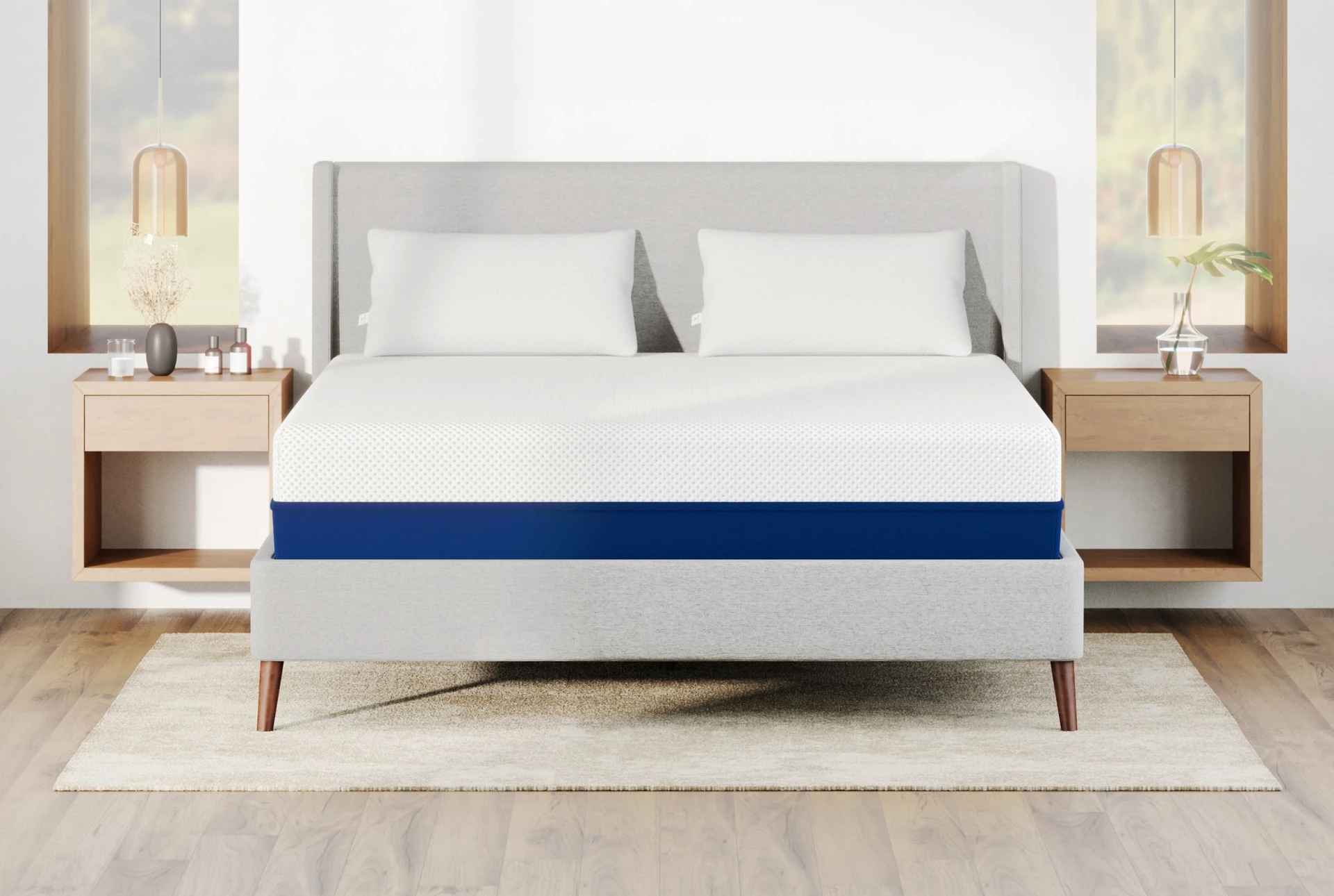
by Our first mattress recommendation for piriformis discomfort is the Amerisleep AS3. Its medium-feel Bio-Pur memory foam and HIVE support offer a cushioning foam option. Check comfort in your usual sleeping position without assuming that firmness or zoning treats the underlying problem. Persistent pain or symptoms radiating down your leg need professional assessment.
Amerisleep AS3
9.3/10
- HIVE 5-zone layer cushions the greater trochanter, which can ease hip pressure
- A medium feel keeps hips and sacrum in neutral alignment
- Partially plant-based Bio-Pur foam isolates motion better than most hybrids, ideal for sleeping on the unaffected side
- CertiPUR-US certified, 20-year warranty, 100-night risk-free trial
- Softer perimeter than a coil hybrid; edge support is adequate but not hotel-firm
- Sleepers over 230 lb may get better long-term support from the AS3 Hybrid
The AS3 is our first pick for piriformis syndrome if you want an all-foam feel with strong motion isolation. Its HIVE zoning is softer under the hips and firmer under the lower back.
Why the mattress matters for piriformis syndrome
Piriformis-related discomfort can make it difficult to find a comfortable sleeping position. Compare how much your hips sink, how the surface cushions them and how easily you can turn. Talk to your doctor about persistent pain or symptoms radiating down your leg.
A surface can feel too soft or too firm for your comfort. Notice whether your hip feels cushioned without making it difficult to change position. Firmness alone does not establish a cause of piriformis flare-ups or referred pain.
Zoned support offers different surface feels under different parts of the body. Compare those zones for comfort rather than expecting them to correct pelvic position or relieve piriformis tension.
Sleep position for piriformis syndrome
Position determines how much the piriformis is loaded during sleep, and the right mattress amplifies the benefit of correct positioning.
- Side sleeping on the unaffected side: may feel comfortable for some people. Ask your clinician whether a pillow between the thighs and your leg position suit your symptoms.
- Back sleeping on a medium-firm surface: is another comfort option to assess individually. Ask your clinician about pillow placement and avoid assuming that softness determines muscle tension.
- Stomach sleeping: may feel uncomfortable for some people. Discuss sleep positioning with your clinician if symptoms persist.
Best mattresses for piriformis syndrome
| Mattress | Type | Firmness | Hip relief | Trial | Queen from |
|---|---|---|---|---|---|
| Amerisleep AS3 | All-foam (Bio-Pur) | Medium 5/10 | Very good, HIVE 5-zone hip cushioning | 100 nights | $1,249 |
| Saatva Classic | Coil-on-coil hybrid | Luxury Firm 5-7/10 | Excellent, Euro top + zoned lumbar pad | 365 nights | $2,229 |
| WinkBed | Euro-top hybrid | Luxury Firm 6/10 | Very good, reinforced perimeter, pressure relief 10/10 | 120 nights | $1,799 |
Saatva Classic
9/10
- Dual-coil system with a dedicated lumbar zone enhancement pad, keeping sacral support firm without hardening the hip zone
- Euro pillow-top provides hip cushioning to assess for individual comfort
- Free white-glove delivery, setup, and old-mattress removal
- 365-night trial, lifetime warranty
- Ships flat, not compressed; heavier to move than foam-in-a-box options
- $99 return fee if you send it back during the trial
The Saatva Classic in Luxury Firm combines a Euro pillow-top with a lumbar zone pad. Compare hip comfort and support during the trial rather than expecting those features to control pelvic rotation or piriformis symptoms.
WinkBed
8.7/10
- Pressure relief rated 10/10 by NapLab; distributes load away from the greater trochanter effectively
- Outstanding edge support (10/10) makes getting in and out of bed easier when hip pain limits range of motion
- Serene foam layer absorbs micro-movements, reducing position adjustments that aggravate piriformis tension
- Lifetime warranty, free shipping and returns
- 120-night trial is shorter than Saatva’s 365 nights but longer than Amerisleep’s 100 nights
- Heavier than foam-in-a-box mattresses; harder to set up solo
The WinkBed earns its place for piriformis sleepers who move frequently at night or need firm perimeter support to get in and out of bed without exacerbating hip pain. Its pressure-relief score and edge stability are hard to match at this price.
Choosing mattress firmness for piriformis syndrome
Choose firmness by comfort in your usual sleeping position. There is no established piriformis-specific firmness prescription here.
- Too soft (below 4/10): notice whether your hip sinks more than feels comfortable or makes turning difficult.
- Too firm (above 7/10): notice whether contact at the hip feels uncomfortable; this does not establish a muscle or referred-pain mechanism.
- Medium-firm (5 to 6/10): compare cushioning and support for individual comfort rather than expecting a particular pelvic position.
Side sleepers with narrower hips can often go slightly softer, around 4 to 5 out of 10. Sleepers over 200 lb typically need the upper end of the range, around 6 out of 10, to prevent excessive hip drop.
Pre-sleep exercise guidance
Follow exercises recommended by your clinician for your individual symptoms. Ask which movements, timing and duration are appropriate rather than following a general pre-sleep protocol.
- Figure-four stretch: ask your clinician whether this exercise is appropriate and how to perform it.
- Supine internal rotation: follow only the movements and duration advised by your clinician.
- Pre-bed positioning: ask your clinician about positions that feel uncomfortable rather than assuming a particular angle or duration causes symptoms.
An adjustable base may offer positioning options; discuss their suitability with your clinician rather than expecting a particular hip effect or exercise benefit.
Our first recommendation in this guide is the Amerisleep AS3. Bio-Pur memory foam and HIVE support give the AS3 a medium foam feel. Choose it if that balance of cushioning and support suits your sleeping position; it is not a coil-on-coil mattress.
Frequently asked questions
What is the best sleeping position for piriformis syndrome?
Some people find side sleeping with a pillow between the thighs comfortable; others prefer back sleeping. Ask your clinician about positions and supports that suit you rather than assuming a particular position changes piriformis tension or nerve compression.
What mattress firmness is best for piriformis syndrome?
Choose a firmness that feels comfortable and allows you to turn easily. A numerical firmness range does not establish that the mattress will treat piriformis symptoms; discuss persistent pain with your doctor.
Can a mattress cause piriformis syndrome?
A mattress can feel uncomfortable without establishing the cause of piriformis syndrome. Compare cushioning and ease of turning, and discuss persistent or radiating symptoms with your doctor.
Should I use a mattress topper for piriformis pain?
A 2-inch memory foam or latex topper can help if your current mattress is too firm, adding hip-zone cushioning at lower cost than a full replacement. It is less useful for a mattress that is too soft, since adding a soft topper to a soft mattress deepens hip sinkage rather than correcting it. If your mattress is less than 5 years old and otherwise supportive, a topper is a reasonable first step.
Is memory foam or hybrid better for piriformis syndrome?
Both work well when the firmness is right. A zoned hybrid like the Saatva Classic gives responsive support and edge stability with targeted lumbar zoning. A zoned all-foam mattress like the Amerisleep AS3 offers strong motion isolation, useful for the frequent position changes common with hip pain. The material matters less than getting the 5 to 6 out of 10 firmness range and active hip-zone cushioning right.
This guide is part of our Best Mattress for Pain Relief hub, where we compare all top picks for specific pain conditions.