
 by
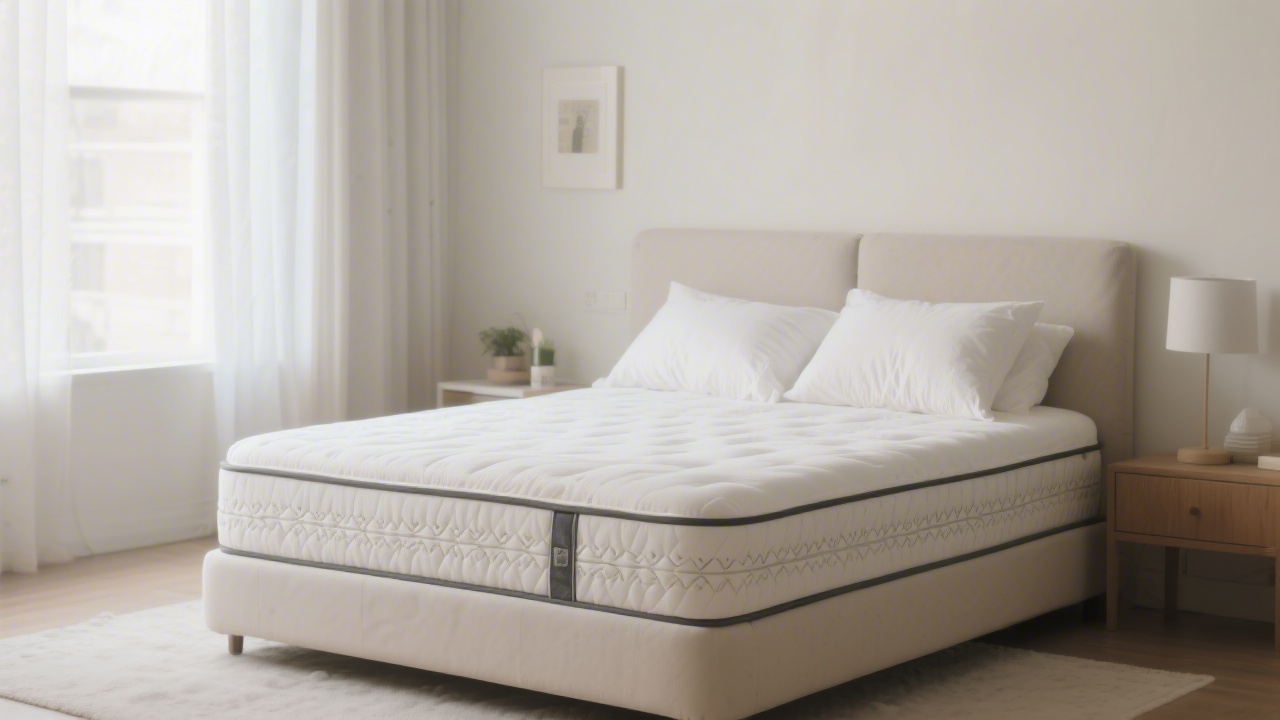
by Our Top Pick: Saatva Classic
Chiropractor-endorsed coil-on-coil construction with lumbar zone enhancement. Available in Plush Soft, Luxury Firm, and Firm.
How Spine Problems Affect Sleep Quality
Spinal conditions disrupt sleep through two mechanisms: pain that prevents comfortable positioning, and neurological symptoms (numbness, tingling, radiating pain) that wake you during the night. The mattress you sleep on directly affects both. Sustained spinal misalignment during sleep compresses discs, inflames facet joints, and stretches ligaments — worsening your condition over 7-8 hours.
Understanding your specific diagnosis is the first step. The best mattress for spinal stenosis has different requirements from a disc herniation page. We cover the most common spinal conditions and their specific mattress needs below.
Pros and Cons
What We Like
- Luxury innerspring with excellent lumbar support
- Multiple firmness options available
- Free white-glove delivery and mattress removal
- 365-night trial and lifetime warranty
What Could Be Better
- Higher price than many online brands
- Heavier than foam mattresses
- Not compressed in a box
- Some off-gassing possible initially
Mattress Requirements by Spinal Condition
Disc Herniation (Bulging or Herniated Disc)
Herniated discs most commonly occur at L4-L5 and L5-S1. The disc material presses on nerve roots, causing radiating pain down the leg (sciatica). During sleep, the goal is to reduce intradiscal pressure — highest in the sitting position (100%) and lowest in supine lying (25%).
Mattress recommendation: Medium to medium-firm (5-6/10). Side sleepers with herniation need slightly softer (4-5/10) to allow the shoulder and hip to sink without twisting the lumbar spine. A pillow between the knees in side sleeping significantly reduces lumbar rotation and disc stress.
Spinal Stenosis
Stenosis narrows the spinal canal, compressing nerves. Symptoms worsen with spinal extension (bending backward). Most stenosis patients report symptom relief in flexed positions.
Mattress recommendation: Medium (5/10) with adjustable base capability. Slight head and leg elevation (fetal-adjacent position) flexes the spine, opening the spinal canal. A mattress that allows this elevated positioning without creating pressure points at the hip and shoulder is ideal. See our best mattress for spinal stenosis for a full breakdown.
Spondylolisthesis
Spondylolisthesis involves one vertebra slipping forward over another, most commonly at L4-L5. The instability creates both pain and neurological symptoms.
Mattress recommendation: Firm to medium-firm (6-7/10) for back sleepers, medium (5/10) for side sleepers. The spine needs stable support to prevent further vertebral slipping during sleep. Mattresses with targeted lumbar zone support — like the Saatva Classic's lumbar crown enhancement — provide additional stability in the L4-L5 region.
Spinal Degeneration (DDD — Degenerative Disc Disease)
DDD is the gradual breakdown of intervertebral discs with age. The discs lose hydration and height, reducing their shock-absorbing capacity. Pain is typically worst in the morning from overnight compression.
Mattress recommendation: Medium-firm (6/10) with good pressure distribution. Coil-on-coil construction (innerspring over innerspring) provides better micro-adjustment to body contours than memory foam, which can trap the spine in one position. Latex offers a good middle ground — responsive and pressure-relieving without the sinking feel of memory foam.
Spinal Fusion Recovery
Post-fusion patients need a mattress that supports the fused segment without creating compensatory stress at adjacent levels. The fused area cannot flex, so adjacent discs absorb more movement.
Mattress recommendation: Medium-firm to firm (6-7/10). Zoned support systems that provide firmer support in the lumbar region and softer support at the shoulder are ideal for post-fusion patients. Side sleeping with a pillow between the knees reduces rotation stress on the fusion site.
Firmness Scale for Spinal Conditions
| Condition | Back Sleeper | Side Sleeper | Stomach Sleeper |
|---|---|---|---|
| Disc Herniation | 5-6/10 | 4-5/10 | Not recommended |
| Spinal Stenosis | 5/10 + adj. base | 4-5/10 | Avoid |
| Spondylolisthesis | 6-7/10 | 5/10 | Avoid |
| DDD | 6/10 | 5/10 | 7/10 if at all |
| Post-Fusion | 6-7/10 | 5-6/10 | Avoid |
Why the Saatva Classic Works for Spine Problems
The Saatva Classic uses a dual coil system — a 13-gauge outer coil layer over individually wrapped 14.5-gauge micro coils. This construction provides the same stable support as a traditional innerspring (which research links to better spinal alignment) while adding the pressure relief of individually wrapped coils.
The Lumbar Crown Enhancement is a 1-inch layer of additional coils in the lumbar zone, providing extra support precisely where spinal conditions are most common. No additional charge, available in all three firmness options.
For a complete review including our chiropractor's assessment, see our Saatva Classic review.
Sleep Position Tips for Spine Problems
- Back sleeping: Place a pillow under the knees to maintain slight lumbar flexion and reduce disc pressure
- Side sleeping: Keep a pillow between the knees to prevent lumbar rotation; align ear, shoulder, and hip in a straight line
- Stomach sleeping: Generally contraindicated for most spinal conditions — places the lumbar spine in hyperextension
- Transitioning: Roll to your side first, then push up with your arms rather than sitting straight up
Our Top Pick: Saatva Classic
Chiropractor-endorsed coil-on-coil construction with lumbar zone enhancement. Available in Plush Soft, Luxury Firm, and Firm.
Frequently Asked Questions
What mattress firmness is best for spine problems?
Luxury Firm (6/10) is the most universally recommended firmness for spinal conditions. It supports spinal alignment without creating pressure points. Plush Soft (3/10) is better for side sleepers with disc herniation, while Firm (8/10) suits back sleepers with spondylolisthesis who need maximum stability.
Is a firm mattress better for a bad spine?
Not necessarily. Research shows a medium-firm mattress reduces low back pain more than a firm mattress for most spinal conditions. The key is spinal alignment, not maximum firmness. A mattress that is too firm can increase pressure at the hips and shoulders, causing the spine to bow sideways.
Can the wrong mattress make spine problems worse?
Yes. A sagging mattress or one that is too soft allows the lumbar spine to sink out of alignment during the 7-8 hours of sleep. This sustained misalignment stresses spinal discs, ligaments, and facet joints. Studies show mattress quality directly correlates with morning back pain intensity.
How often should someone with spine problems replace their mattress?
Every 7-8 years for most mattresses, or sooner if you notice a visible sag of 1 inch or more, increased morning stiffness, or sleep quality declining. Innerspring mattresses degrade faster than latex. If your back pain improved when sleeping in a hotel, your mattress is likely due for replacement.
Does an adjustable base help with spine problems?
Yes, for many conditions. Elevating the head 15-30 degrees reduces lumbar disc pressure. Elevating the legs reduces sacral and lumbar pressure in back sleepers. Zero-gravity position (simultaneous head and leg elevation) is particularly effective for disc herniation and spinal stenosis.