
 by
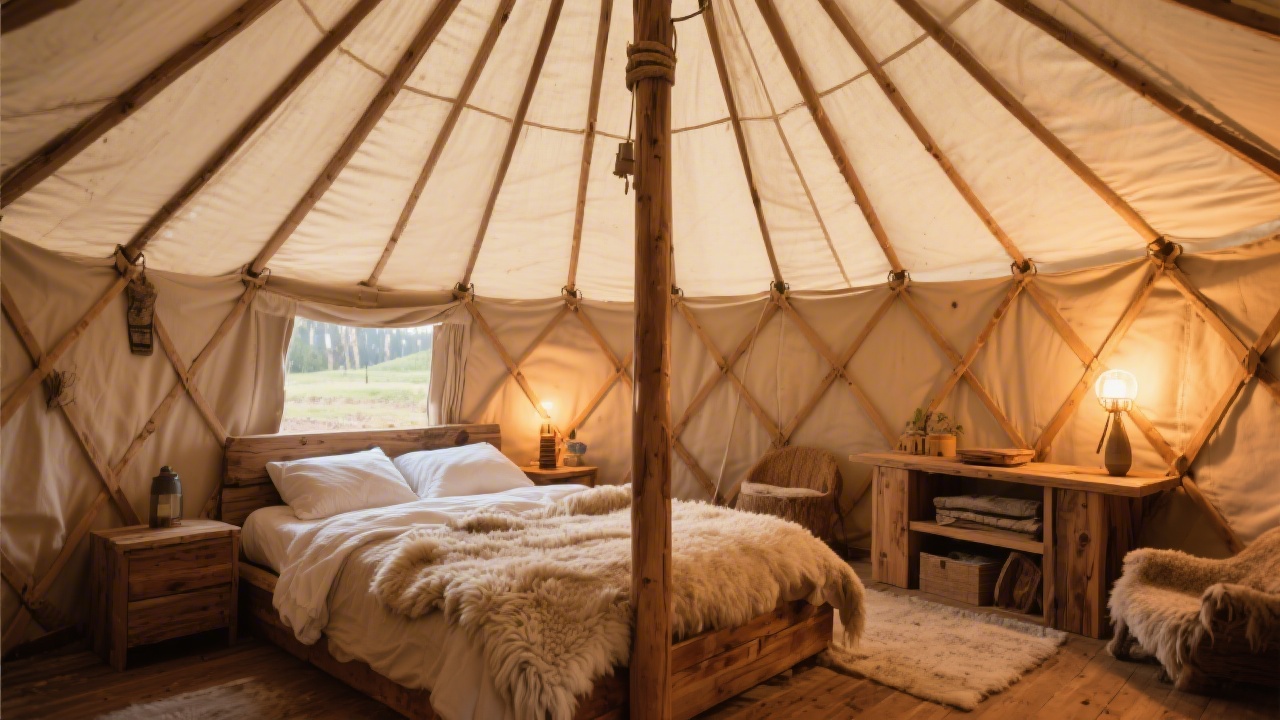
by Yurts and off-grid homes present a set of mattress challenges that most buyers don't anticipate until they've already made a purchase they regret. Condensation, temperature extremes, and the absence of a traditional box spring all factor into what works and what doesn't in a circular, canvas-walled sleeping space.
Our Top Pick
Saatva Zenhaven — Natural Latex for Off-Grid Environments
The Zenhaven is made from 100% Talalay natural latex — no synthetic foam, no off-gassing. It handles temperature extremes and humidity better than most alternatives. Free white-glove delivery.
The Off-Grid Environment
A well-built yurt maintains comfortable temperatures through insulation and a central stove or propane heat source. But during shoulder seasons and in humid climates, condensation accumulates on interior surfaces. A floor-mounted mattress without adequate ventilation can develop mold on the underside within a single damp season.
Temperature variation is also a factor. Many yurt dwellers experience a 30–40 degree swing between the coldest part of the night and a warm afternoon. Materials that change firmness dramatically with temperature—standard memory foam, particularly—can feel rock-hard on cold mornings and unusually soft in warm afternoon conditions.
Pros and Cons
What We Like
- Luxury innerspring with excellent lumbar support
- Multiple firmness options available
- Free white-glove delivery and mattress removal
- 365-night trial and lifetime warranty
What Could Be Better
- Higher price than many online brands
- Heavier than foam mattresses
- Not compressed in a box
- Some off-gassing possible initially
Best Mattress Types for Yurts
Natural Latex
Natural latex is the best choice for a yurt or off-grid sleeping environment. It maintains consistent firmness across temperature swings, resists moisture and mold, and doesn't off-gas in a small enclosed space. Both Dunlop and Talalay latex work well; Dunlop tends to be firmer and more durable, while Talalay is softer and more consistent in texture.
Wool and Natural Fiber Mattresses
Traditional futon-style mattresses with wool, cotton, or natural fiber fill are another strong option for off-grid use. They're breathable, moisture-wicking, and compostable at end of life. The trade-off is that they require regular airing and flipping to maintain loft and prevent compression.
What to Avoid
Standard memory foam is temperature-sensitive and doesn't handle humidity well. Innerspring mattresses can rust in persistently humid environments. Any mattress with synthetic materials and poor moisture management will struggle in a yurt over multiple seasons.
Foundation Options Without a Box Spring
Most yurts use either a raised platform bed frame built on-site, a low-profile platform frame, or a floor-level futon setup. For latex and foam mattresses, a slatted platform is essential—solid surfaces trap moisture and heat. Slats should be spaced no more than 3 inches apart to provide adequate support without creating pressure points.
For a floor-level setup, place the mattress on a breathable rug or mat rather than directly on wood or concrete. Lift and air the mattress at least weekly during humid seasons.
If you're building your first yurt sleeping platform, the same foundation principles that apply to platform bed mattresses work well here.
Delivery Logistics
Getting a mattress to an off-grid property can be as challenging as choosing the right one. Most white-glove delivery services won't travel unpaved roads. Compressed/rolled mattresses in a box are far easier to transport—they can go in a truck bed or be carried by two people. Natural latex in box form is available from several manufacturers and is the easiest premium option to deliver off-grid.
Temperature Regulation Strategies
Beyond the mattress itself, a wool mattress pad or topper adds insulation for cold nights without significantly changing the sleep surface feel. A breathable cotton or linen duvet system is easier to temperature-regulate in a yurt environment than synthetic alternatives.
See our cooling mattress guide for material-level breakdowns of how different foams and latex handle heat, which is relevant when yurt temperatures spike in summer.
Our Top Pick
Saatva Zenhaven — Natural Latex for Off-Grid Environments
The Zenhaven is made from 100% Talalay natural latex — no synthetic foam, no off-gassing. It handles temperature extremes and humidity better than most alternatives. Free white-glove delivery.
Frequently Asked Questions
Can I use a regular mattress in a yurt?
Yes, but moisture management is critical. A regular innerspring or foam mattress needs to be on a ventilated platform and aired regularly. Natural latex handles the yurt environment better than most standard mattress materials.
What foundation works best in a yurt?
A slatted platform bed frame—either store-bought or custom-built—provides the best foundation. Slats allow airflow under the mattress, which is essential for preventing mold in a humid environment.
Does temperature affect mattress firmness in a yurt?
Yes, especially for memory foam, which becomes significantly firmer in cold conditions. Natural latex maintains more consistent firmness across a wider temperature range, making it a better choice for environments with large temperature swings.
How do I prevent my yurt mattress from molding?
Use a natural latex or wool-fill mattress, place it on a slatted platform, use a moisture-wicking mattress pad, and air the mattress outdoors whenever humidity is low. Avoid encasing the mattress in plastic or non-breathable covers.
What is the best mattress for a yurt in a cold climate?
Natural latex with a wool mattress topper or pad performs well in cold climates. The latex maintains support in cold temperatures, and the wool provides additional insulation without trapping moisture.
Who Is This Best For?
This option works best for sleepers who prioritize the specific features discussed above. Side sleepers, back sleepers, and combination sleepers may each have different experiences. Consider your primary sleep position and any specific concerns (temperature regulation, motion isolation, edge support) when evaluating if this is the right fit for you.
Key Takeaways
Best Mattress for a Yurt or Off-Grid Home is a topic that depends heavily on individual needs and preferences. The most important thing is to consider your specific situation — your body type, sleep position, and personal comfort preferences — before making any decisions. When in doubt, take advantage of trial periods to test before committing.