
 by
by 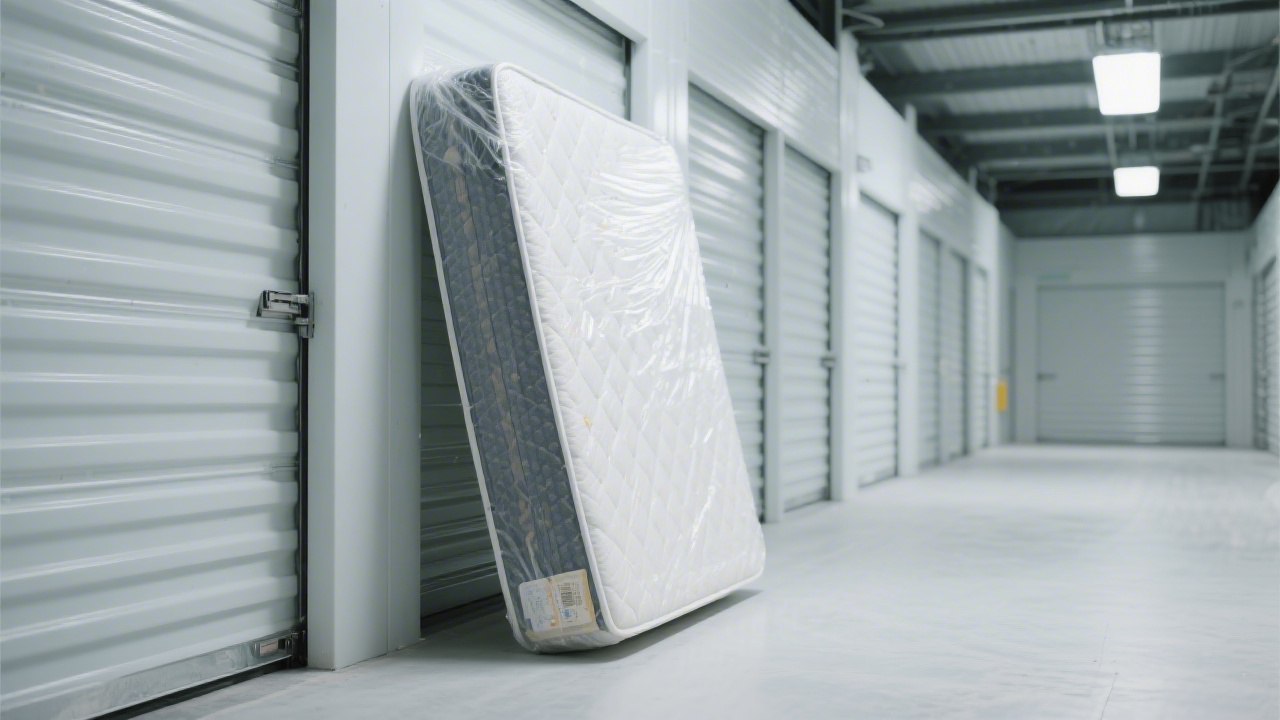
How long you can store a mattress depends heavily on its construction type and storage conditions. Memory foam has a tighter window than innerspring before structural damage becomes permanent. This guide covers maximum duration by mattress type, required storage positions, and the environmental conditions that determine whether your mattress survives storage intact.
For full storage setup instructions, see our complete guide on how to store a mattress properly. This guide focuses specifically on duration limits.
Our Top Pick
Planning a new mattress purchase around a move? Saatva schedules delivery at your convenience — no storage hassle.
Maximum Storage Duration by Mattress Type
| Mattress Type | Max Duration (Flat) | Max Duration (On Side) |
|---|---|---|
| Innerspring | Up to 12 months | Up to 2–3 months |
| Memory foam (all-foam) | Up to 2–3 months | Up to 1 month |
| Hybrid | Up to 6 months | Up to 2 months |
| Latex | Up to 12 months | Up to 1 month |
These durations assume climate-controlled storage. Non-climate-controlled storage cuts these durations by 50–70%.
Why Duration Matters by Type
Memory Foam
Memory foam is viscoelastic — it compresses under consistent pressure and slowly recovers. Storing foam too long in one position means the cells compress unevenly and lose their recovery ability. On its side, gravity creates sustained point-pressure on the lower edge. Flat storage distributes weight better, but even flat storage for more than a few months can cause permanent body impressions if heavy items are stacked on top.
Innerspring
Steel coils are more resilient than foam to static pressure over time. An innerspring mattress stored flat in a climate-controlled unit can survive 12 months in good condition. The risk with innerspring during storage is moisture — coils can rust if humidity is high, which weakens the metal and creates squeaking.
Hybrid
Hybrids have both vulnerabilities: foam layer degradation and coil corrosion. The 6-month flat maximum reflects that the foam layers will begin showing deformation before the coils become a problem.
Critical: Storage Position Rules
Flat is always better than on-side. On-side storage for any mattress type causes the fill material (foam, fiber, or coils) to shift under gravity over time. If you must store on-side:
- Store it on the longest edge (lengthwise upright), not on a short end
- Support the full length against a wall — don't let it bow in the middle
- Rotate position every 2–4 weeks if storing for more than a month
Environmental Requirements
These conditions apply regardless of mattress type:
- Temperature: 55–75°F ideal. Extreme heat accelerates foam breakdown; extreme cold makes foam brittle.
- Humidity: Below 50% relative humidity. Above this, mold risk increases rapidly — especially in fabric-covered mattresses where moisture is trapped.
- Air circulation: Don't seal a mattress in airtight plastic for extended periods without ventilation. Use a breathable mattress cover, not a heat-sealed bag.
- No pest risk: Storage units should be clean and pest-free. Bedbugs can establish in an unoccupied stored mattress.
Signs of Storage Damage to Check On Retrieval
- Sagging or body impressions not present before storage (foam breakdown)
- Musty or mildew odor (moisture infiltration)
- Squeaking or uneven feel (coil displacement or corrosion)
- Visible mold on fabric seams or bottom surface
Our Top Pick
Planning a new mattress purchase around a move? Saatva schedules delivery at your convenience — no storage hassle.
Frequently Asked Questions
Voted best luxury innerspring mattress with exceptional lumbar support and white-glove delivery.
Check Price & Availability FAQPage", "mainEntity": [{"@type": "Question", "name": "How long can a memory foam mattress be stored?", "acceptedAnswer": {"@type": "Answer", "text": "Memory foam stored flat in a climate-controlled unit can last up to 2–3 months without significant damage. On its side, limit storage to about 1 month. Beyond these periods, the foam cells begin to compress permanently."}}, {"@type": "Question", "name": "Can you store a mattress in a garage?", "acceptedAnswer": {"@type": "Answer", "text": "Generally no. Garages typically have high humidity and temperature extremes. These conditions accelerate foam degradation, cause mold, and corrode innerspring coils. A climate-controlled storage unit is strongly recommended for any mattress storage beyond a few days."}}, {"@type": "Question", "name": "Should a mattress be stored flat or on its side?", "acceptedAnswer": {"@type": "Answer", "text": "Flat is always preferable. Flat storage distributes the mattress's own weight evenly. On-side storage causes gradual material shift due to gravity. If space requires storing on-side, limit duration and rotate position every few weeks."}}, {"@type": "Question", "name": "How do you store a mattress long-term?", "acceptedAnswer": {"@type": "Answer", "text": "Use a breathable mattress cover (not a sealed plastic bag), store flat in a climate-controlled unit below 50% humidity, and place nothing heavy on top. For foam mattresses, limit long-term storage to 2–3 months maximum."}}, {"@type": "Question", "name": "Can a stored mattress get bedbugs?", "acceptedAnswer": {"@type": "Answer", "text": "Yes. Bedbugs can infest a stored mattress even in a storage facility. Use a certified bedbug-proof mattress encasement (not just a cover) if storing in a location with any pest risk. Check the storage facility's pest control practices before use."}}]}