
 by
by Mattress Noise: Why Some Mattresses Squeak and How to Fix It is one of the most common questions we get from readers. In this guide, we break down everything you need to know to make an informed decision.
The Three Sources of Mattress Noise
When your bed squeaks, most people blame the mattress. In reality, mattress noise originates from one of three distinct sources: the mattress itself, the foundation or box spring, or the bed frame. Identifying the correct source saves you from replacing the wrong component.
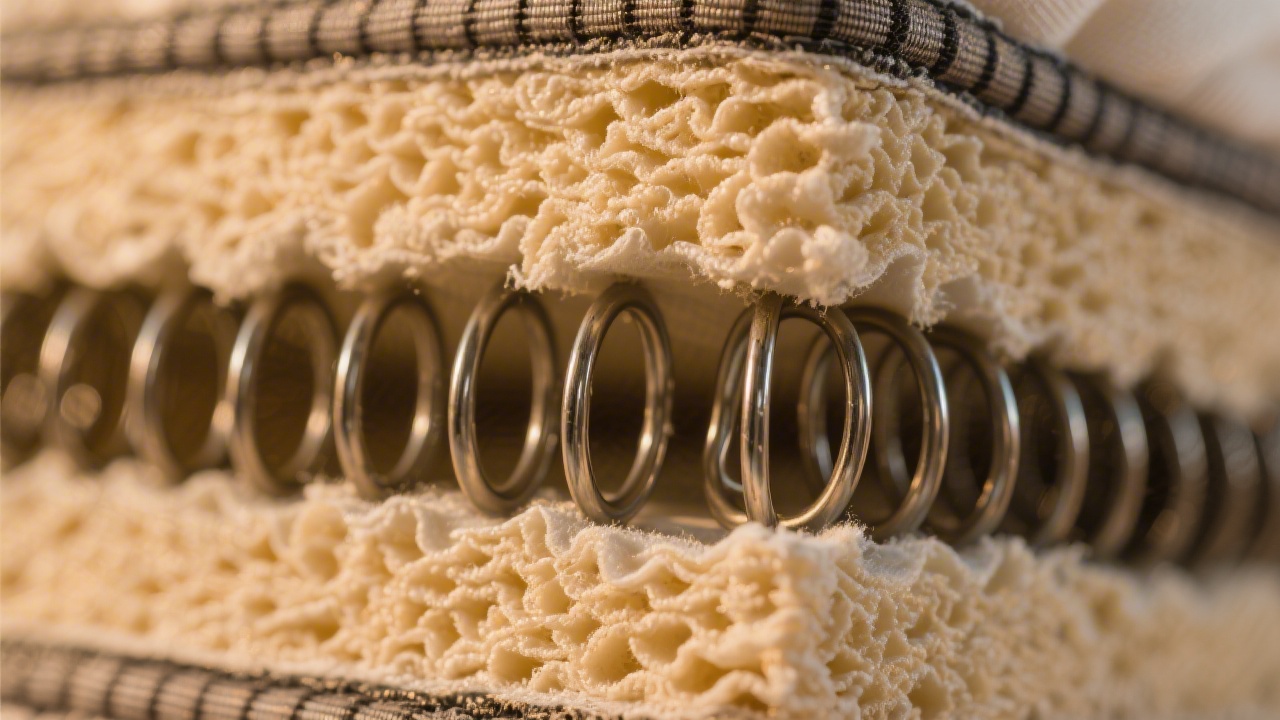
Coil spring fatigue is responsible for roughly 30% of mattress squeaking. Steel coils lose their temper over time — the molecular structure of the steel shifts, causing the coil to deform slightly and rub against adjacent coils or the helical wire connecting them. This produces a rhythmic squeak synchronized with movement.
Foundation failure accounts for the majority of bed noise complaints. Wooden box springs contain dozens of slats and joints that dry out, loosen, and creak. A sagging center support in a box spring can also cause the mattress to flex unevenly, amplifying coil contact noise.
Frame joint friction is the third culprit. Metal bed frames have bolt connections that loosen over months of use. Wooden frames develop micro-gaps at mortise-and-tenon joints. Both produce squeaks that migrate with movement and are often mistaken for mattress noise.
How to Diagnose Your Bed Noise
Place your mattress directly on the floor. If the noise disappears, your foundation or frame is the source. If squeaking persists on the floor, the mattress coils are generating the sound.
To isolate foundation vs. frame noise, remove the mattress and press firmly on different zones of the box spring or platform foundation. Listen for creaks. Then check each bolt connection on your frame and tighten with a wrench.
For innerspring mattresses that squeak directly, the noise typically comes from the border wire — a thick steel rod running the perimeter of the coil unit — rubbing against the fabric cover. This is difficult to fix without disassembly.
Fix by Source: Specific Solutions
Coil spring noise: Rotate your mattress 180 degrees. This redistributes body-weight stress across a fresh section of the coil field and often eliminates peak-load squeaking temporarily. Permanent solution: replacement.
Foundation noise: Spray WD-40 or silicone lubricant at all wooden joints in the box spring. Allow 30 minutes for penetration. For platform bed slats, place thin felt pads (available at hardware stores for under $5) between each slat and the frame rail.
Frame noise: Tighten all bolt connections. Apply beeswax or clear candle wax to metal-on-metal contact points. For wooden frame joints, inject a small amount of wood glue and clamp for 24 hours.
For more context on how coil type affects noise production, see our deep dive on squeaky mattress causes and solutions. When comparing models for noise performance, our Saatva vs Purple comparison covers how each handles coil isolation.
Which Mattress Types Are Quietest?
All-foam mattresses (memory foam, polyfoam) produce zero mechanical noise. There are no metal components to fatigue or rub. Latex mattresses are equally silent. The tradeoff is motion transfer behavior and temperature regulation.
Pocketed coil systems — where each coil is individually fabric-wrapped — are significantly quieter than traditional Bonnell or offset coil units. Pocketed coils operate independently, eliminating the coil-to-coil friction that causes the classic innerspring squeak.
The Saatva Classic uses a dual coil system — tempered steel pocketed coils over a Bonnell base unit — combined with foam encasement. This design isolates the primary sleep surface from the base unit noise and is notably quiet relative to single-unit innerspring designs.
For buyers with noise sensitivity, also consider your mattress comparison options across different coil technologies before purchasing.
Frequently Asked Questions
Is a squeaky mattress a sign it needs to be replaced?
Not necessarily. If the squeak comes from the foundation or frame, the mattress may be fine. Test by placing the mattress on the floor. Coil noise in a mattress under 5 years old often indicates a manufacturing defect rather than wear.
Can memory foam mattresses squeak?
No. Memory foam contains no metal components and produces no mechanical noise. If you hear squeaking from an all-foam mattress setup, the source is always the foundation, frame, or platform slats.
Do pocketed coils squeak less than traditional springs?
Yes, significantly. Pocketed coils are individually wrapped in fabric, preventing coil-to-coil contact. Traditional Bonnell coils are connected by helical wire at the top and bottom, which is the primary friction point that generates squeaking.
How long should an innerspring mattress last before coil noise starts?
Quality innerspring mattresses with tempered coils should be silent for 7-10 years under normal use conditions. Noise appearing before year 5 often indicates either a low coil count (under 600 coils for a queen), untempered steel, or a design using continuous coil wire rather than individually pocketed units.
Does mattress weight affect how much it squeaks?
Indirectly. A heavier mattress places more load on the foundation and frame, accelerating joint loosening in both. Mattresses over 100 lbs require reinforced center support in foundations — inadequate center support is one of the most common causes of box spring failure and squeaking.
Our Top Mattress Pick
The Saatva Classic consistently ranks #1 for comfort, support, and long-term durability.
Key Takeaways
Mattress Noise is a topic that depends heavily on individual needs and preferences. The most important thing is to consider your specific situation — your body type, sleep position, and personal comfort preferences — before making any decisions. When in doubt, take advantage of trial periods to test before committing.