
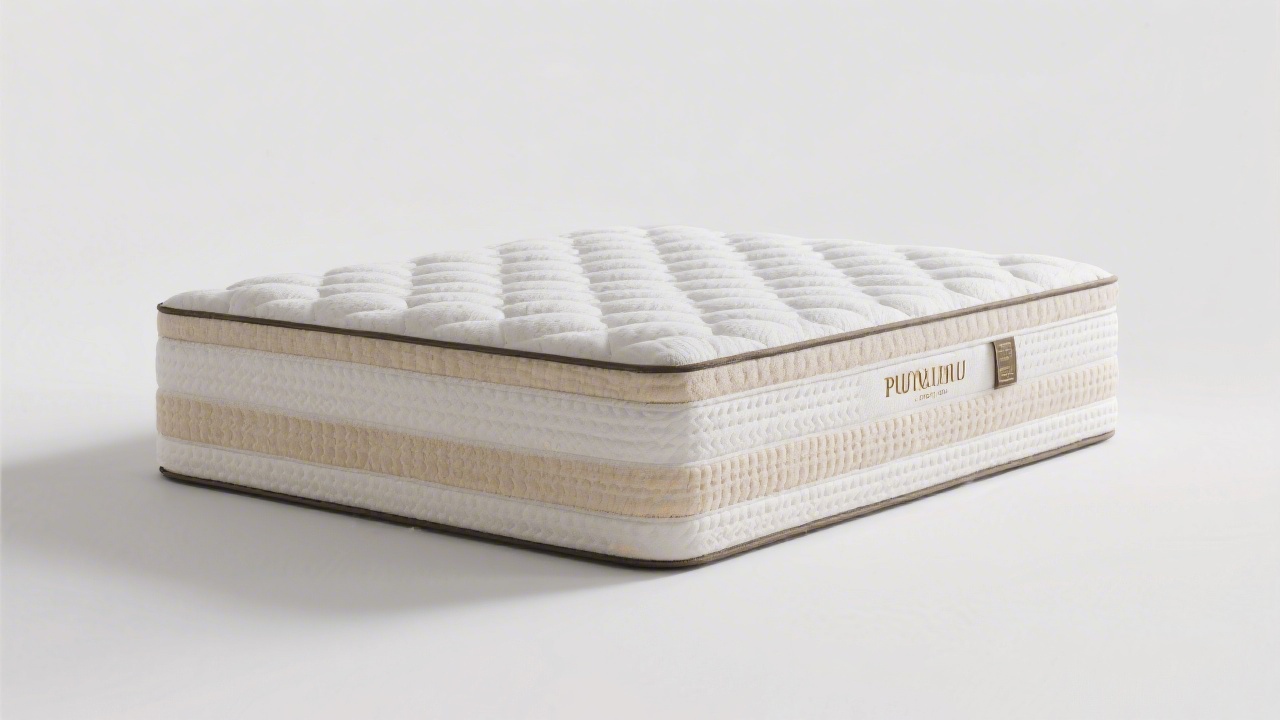
 by
by Saatva Graphite Mattress Topper
Graphite-infused memory foam draws heat away from the surface. 1.5 inches of pressure relief that addresses both cooling and comfort in one layer. Fits on top of your existing mattress without replacing it.
The Core Difference
A mattress pad is a thin protective layer (typically 0.5-1.5 inches thick) that sits over your mattress. Its primary job is protection: against spills, body oils, dust mites, and wear. It adds minimal cushioning. A mattress topper is a thick comfort layer (typically 2-4 inches thick) that meaningfully changes how your mattress feels. It can make a firm mattress softer, add pressure relief, or change thermal properties. These are different tools for different jobs.
When You Need a Mattress Pad
- You want to protect a new mattress (always recommended — preserves warranty-relevant surface condition).
- You have a mattress topper and want to protect it (toppers are expensive; a pad on top extends topper life significantly).
- You want a heated or cooling surface without changing mattress feel (see our heated mattress pad and cooling mattress pad guides).
- You want waterproofing without adding height to the sleep surface.
- You are satisfied with your mattress feel and want no changes — just protection.
When You Need a Mattress Topper
- Your mattress is too firm and you want meaningful softening (2-3 inch memory foam or latex topper achieves this; a pad does not).
- You have pressure point pain (hips, shoulders) on your current mattress. A 3-inch memory foam or latex topper can redistribute pressure meaningfully.
- Your mattress is developing unevenness and you want to extend its useful life (a 2-3 inch topper can mask minor sagging, though it does not fix structural issues).
- You want to change thermal properties significantly (a graphite topper cools better than any passive cooling pad).
- You share a bed and want to customize your side's firmness independently.
When You Need Both
Use both when you have a quality topper worth protecting. The topper changes the feel; the pad protects the topper. Correct layering: mattress → topper → pad → fitted sheet. This is the optimal setup for long-term performance because the pad takes all the surface wear (sweat, oils, washing cycles) while the topper maintains its structure underneath.
Mattress Topper Materials: Which Is Right for You?
| Material | Firmness Change | Cooling | Longevity |
|---|---|---|---|
| Memory foam | Significant softening | Poor (traps heat) | 3-5 years |
| Graphite memory foam | Significant softening | Good (conducts heat away) | 3-5 years |
| Latex | Moderate (more responsive) | Good (open cell) | 5-10 years |
| Down/fiber | Minor softening | Average | 1-3 years |
| Wool | Minor softening | Good (temperature balancing) | 5-8 years |
The Decision Framework
Start here: are you satisfied with how your mattress feels?
- Yes, I just want protection → mattress pad only.
- No, it is too firm or I have pressure pain → mattress topper (2-3 inch latex or memory foam), then add a pad on top to protect it.
- I run hot → cooling mattress pad, or graphite memory foam topper plus a standard pad on top.
- I run cold → heated mattress pad (pad + heating in one).
- My mattress is sagging noticeably → topper can mask it short-term, but you likely need a new mattress within 1-2 years.
Saatva Mattress Pad
Organic cotton fill and cover. Waterproof base layer option available. Protects your mattress and any topper beneath it while adding minor cushioning. Machine washable.
Frequently Asked Questions
Can I use a mattress pad and a mattress topper at the same time?
Yes. The correct layering from bottom up is: mattress, mattress topper, mattress pad, fitted sheet. The topper changes the feel; the pad protects the topper. This combination makes sense when you have an expensive topper (like latex or memory foam) that you want protected from spills, sweat, and wear.
Does a mattress pad make the bed softer?
A standard thin mattress pad adds very little cushioning. Quilted pads with 1-2 inch fill add minor softness. If your goal is to meaningfully change how your mattress feels, you need a mattress topper (2-4 inches thick). A pad cannot fix a mattress that is too firm or too soft.
What thickness mattress topper do I need?
2-inch toppers provide a noticeable feel change without dramatically altering mattress support. 3-inch toppers significantly change feel and are appropriate for side sleepers or pressure point issues. 4-inch toppers are substantial and essentially replace how the mattress feels. Start at 2-3 inches unless you have specific pressure relief needs.
Do mattress toppers void mattress warranties?
Most mattress warranties do not address toppers explicitly, but some foam mattress warranties can be voided if a topper causes uneven compression or if body impressions develop. Check your specific warranty language. Using a rigid even topper (latex, for example) is generally safer than a soft foam topper that can create localized compression patterns.
How long does a mattress topper last?
Memory foam toppers: 3-5 years. Latex toppers: 5-10 years. Down or fiber toppers: 1-3 years before significant compression. The mattress pad (protective layer) should last 5-10 years with regular washing. Replace toppers when you notice consistent pressure points, uneven surfaces, or when the feel change you bought it for is gone.