
 by
by Recommended
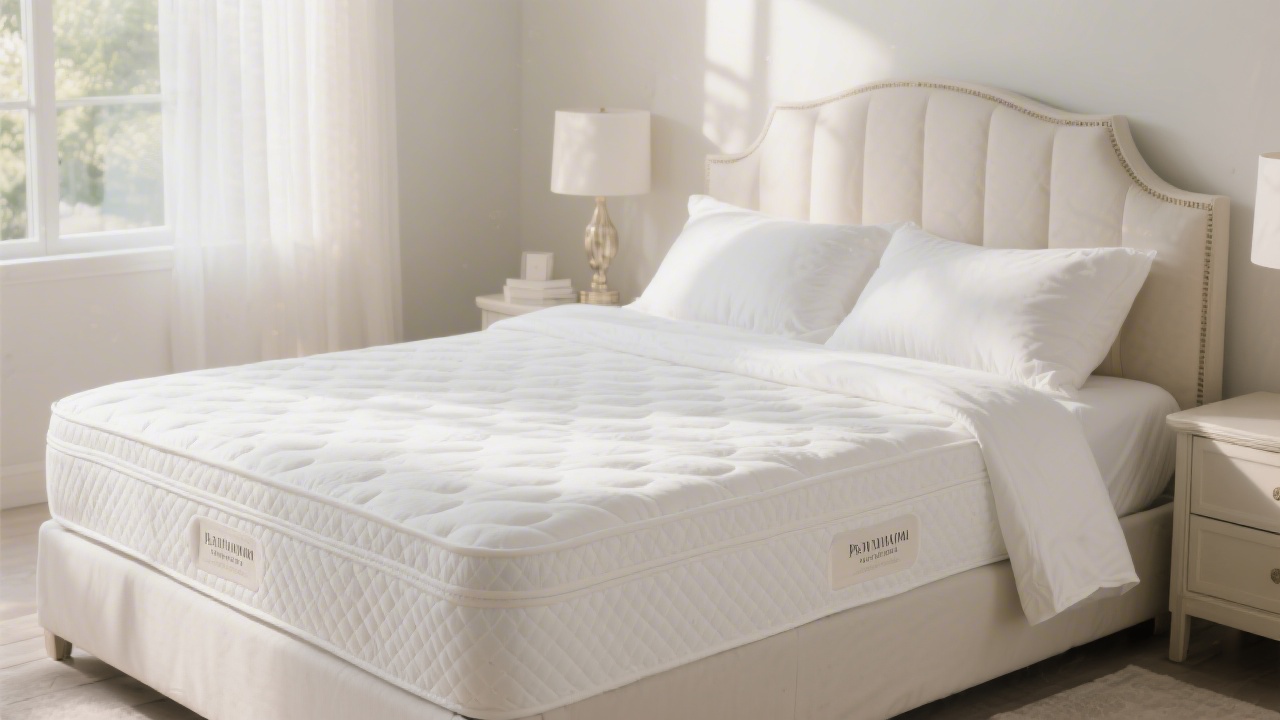
Saatva Organic Mattress Pad — Premium Waterproof Protection
A mattress protector is a $30–80 investment that protects a $1,000–2,500 mattress. The ROI math is straightforward — yet most people skip it. This guide explains exactly what a protector does, what it doesn't do, and when skipping one is a real financial mistake.
What Does a Mattress Protector Actually Do?
A mattress protector creates a barrier between your body and the mattress itself. It handles four categories of damage:
- Moisture: Sweat, spills, and biological fluids that penetrate foam and create irreversible odors and mold
- Stains: Any visible stain on a mattress is typically grounds for warranty denial — regardless of cause
- Allergens: Dust mites colonize mattresses within weeks of purchase; protectors slow accumulation significantly
- Wear: Fabric friction from sheets degrades mattress cover stitching over time
The Warranty Voiding Problem
Most mattress warranties have explicit language voiding coverage for "stained or soiled" mattresses. Saatva, Purple, Tempur-Pedic, and virtually every other manufacturer includes this clause. A single spill — even water — can produce a stain that renders your warranty null.
Consider: a $1,500 mattress with a 10-year warranty has $150/year of coverage value. A $50 protector preserves that coverage for the full warranty period. That's a 33x return on investment in warranty protection alone.
See our guide on what voids a mattress warranty for the complete list of coverage exclusions.
The Moisture and Foam Degradation Problem
The average person sweats 0.5–1 liter per night. Over months and years, this moisture migrates into foam layers, causing:
- Premature softening of memory foam (the foam breaks down chemically with repeated moisture exposure)
- Yellow discoloration from oxidation — see our guide on why mattresses turn yellow
- Odor from bacterial growth in foam cells
- Mold in humid climates or for heavy sweaters
A waterproof protector eliminates all four. A non-waterproof protector reduces moisture penetration but doesn't eliminate it.
When Is a Mattress Protector Optional?
Protectors are least critical for:
- Innerspring mattresses with separate pillow tops (the pillow top acts as a partial barrier)
- Mattresses in guest rooms with very light use
- Mattresses with thick, tightly-woven covers that provide inherent stain resistance
That said, "optional" still means "recommended" in most cases. The cost is low, and the downside of skipping it — a voided warranty or accelerated degradation — is high.
When Is a Mattress Protector Essential?
Protectors move from recommended to essential when:
- You're protecting a mattress costing $800+
- You or your partner are heavy sweaters
- Children or pets sleep on the mattress
- Anyone in the household has allergies or asthma
- You live in a humid climate
- The mattress has a foam comfort layer (foam is particularly vulnerable to moisture)
What to Look for in a Mattress Protector
Not all protectors are equal. Key criteria:
- Waterproofing: TPU (thermoplastic polyurethane) backing is the gold standard — quiet and breathable. Avoid PVC-backed protectors that crinkle and trap heat.
- Breathability: A protector that traps heat defeats the purpose of a breathable mattress. Look for cotton terry or Tencel fabric faces.
- Fit: Deep pocket protectors (18"+ pockets) stay secure on thicker mattresses. Flat protectors bunch and leave gaps.
- Washability: Machine washable up to 140°F for true allergen control (60°C kills dust mites).
The Companion Article: Do You Need One?
We also cover whether you need a mattress protector in depth — including the types of sleepers who benefit most and least. This article focuses specifically on the value/ROI case.
Extending Overall Mattress Life
A protector is one of seven key techniques for extending mattress lifespan. For the complete maintenance system, see our guide on how to extend your mattress lifespan.
The Saatva Organic Mattress Pad combines waterproof protection with a comfort layer, using GOTS-certified organic cotton and a quiet TPU barrier. It's our top recommendation for mattresses in the $1,000+ range.
Recommended
Saatva Organic Mattress Pad — Premium Waterproof Protection
Frequently Asked Questions
Does a mattress protector affect sleep comfort?
A quality fitted protector adds less than 1mm and is imperceptible during sleep. Cheap waterproof covers with crinkly plastic backing are the exception — avoid those.
Do mattress protectors prevent allergens?
Encasement-style protectors block dust mites, pet dander, and pollen. Standard protectors reduce allergen accumulation significantly but don't fully block mites already in the mattress.
How often should you wash a mattress protector?
Every 1–2 months for most sleepers, or monthly if you sweat heavily, have pets, or allergies. Washing more often than necessary degrades waterproofing faster.
Does a mattress protector void a warranty?
No — quite the opposite. Using a mattress protector protects your warranty by preventing the stains that most warranties use as grounds for denial.
What's the difference between a mattress protector and a mattress pad?
A mattress protector is primarily a barrier (waterproof, allergen-blocking). A mattress pad adds a comfort layer. Premium options like the Saatva Organic Mattress Pad do both.
Our Top Mattress Pick
The Saatva Classic consistently ranks #1 for comfort, support, and long-term durability.