
 by
by The mattress industry has a transparency problem. Traditional mattress retail was built on inflated MSRPs, always-on sales, and high-pressure showroom tactics. Even in the online era, some of these patterns persist. Here are seven tactics to recognize — and exactly how to avoid being fooled.
Our Top Pick
Saatva Classic — White-glove delivery, 365-night trial, free returns.
Tactic 1: The Permanent Sale
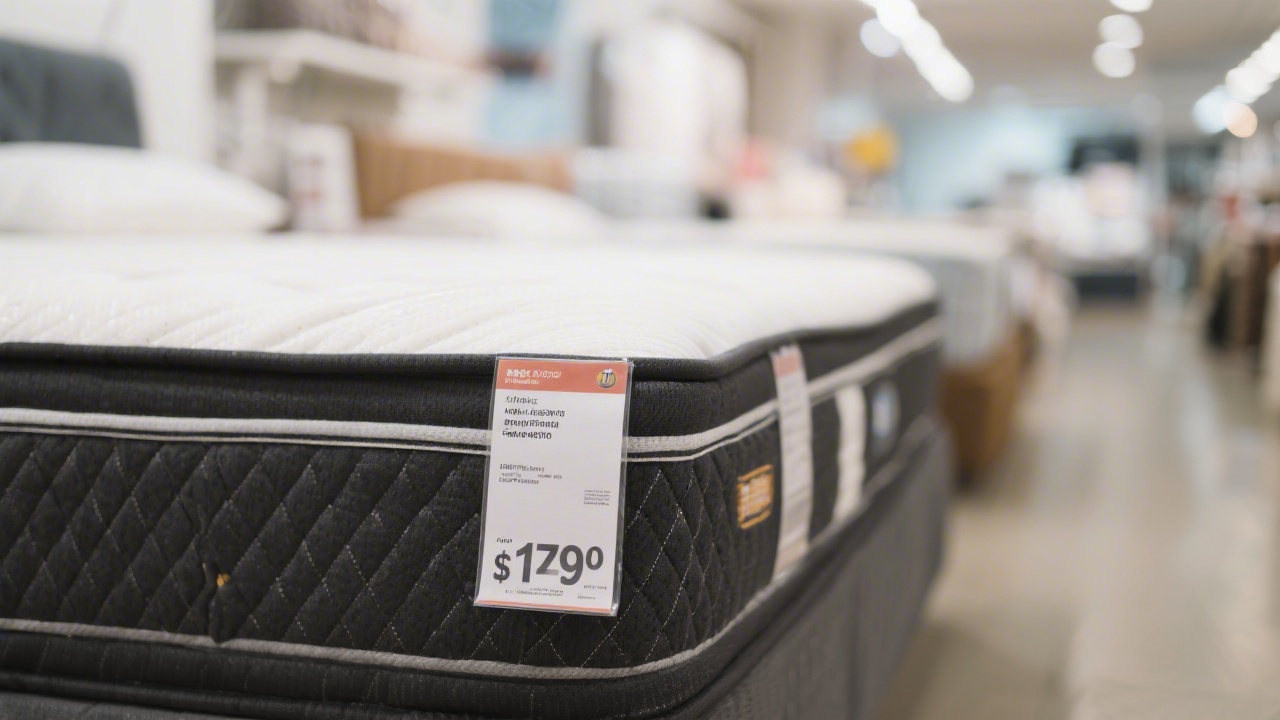
Walk past any mattress showroom and you will see "50% OFF SALE — THIS WEEKEND ONLY." Come back in three weeks: same sign, same prices, same sale. These discounts are calculated off a fake "original price" that no one ever paid. The "sale" price is the real price. When evaluating any mattress discount, check whether the sale has been running continuously for months via tools like the Wayback Machine or price tracking extensions.
Tactic 2: Inflated MSRP Anchoring
A mattress "regularly $3,000, now $1,200" was never actually sold for $3,000. The MSRP exists purely to make the sale price look like a bargain. Compare the actual price against competitive alternatives at that price point — not against the inflated anchor. Ask yourself: is this mattress good value at $1,200? Ignore what it "used to cost."
Tactic 3: Misleading Coil Count Claims
Advertising "1,400 micro-coils" sounds impressive. But micro-coils are thin, small, and generally lower quality than full-gauge pocketed steel coils. High coil count in cheap materials is a marketing tactic, not a quality indicator. Ask about coil gauge, coil type, and independently verified durability data — not just count.
Tactic 4: Warranty Theater
A 25-year warranty sounds like exceptional protection. Read the fine print: most long warranties are prorated after year 10, meaning you pay a large portion of replacement cost yourself. They also contain clauses that void coverage for "improper foundation," "visible staining," or "normal impressions under 1.5 inches." Understand what the warranty actually covers and for how long before treating it as a selling point.
Tactic 5: Fake Urgency ("Only 3 Left")
Countdown timers, "only X left in stock," and "sale ends tonight" banners are manufactured scarcity. Mattresses are mass-produced products with reliable supply chains. These tactics are designed to prevent price comparison. Any brand using aggressive urgency is signaling that comparison shopping will work against them — which means you should compare shop.
Tactic 6: Buried Fees
Some brands advertise a low base price, then add mandatory delivery fees ($150+), foundation requirements, and white-glove setup charges that significantly increase the actual cost. Always calculate total delivered cost: mattress price + delivery + removal of old mattress + any required accessories. Our delivery guide and buying mistakes guide both cover this in detail.
Tactic 7: Trial Period Obstruction
A brand's advertised trial means little if returns are complicated. Warning signs: requiring you to donate the mattress yourself, charging restocking fees, limiting returns to certain conditions, or making the process difficult enough that most buyers give up. Before buying, look up the actual return process from customer reviews, not just the brand's marketing copy.
How to Buy Without Getting Fooled
Use price history tools. Ignore anchor prices. Compare total delivered cost. Read independent reviews on third-party sites. Verify trial and return policies via customer testimonials. Choose brands with stable, transparent pricing and clearly documented policies. For context on pricing across budget tiers, see our mattress price guide. For channel comparison, see where to buy a mattress.
Our Top Pick
Saatva Classic — White-glove delivery, 365-night trial, free returns.
Frequently Asked Questions
Are mattress sales ever real?
Seasonal sales (Black Friday, Labor Day, Memorial Day) at online brands with transparent pricing can offer genuine discounts of 10-20%. Permanent showroom 'sales' are almost always inflated MSRP anchoring.
How do I check if a mattress price is fair?
Compare the current price against independent review sites, look at price history using browser extensions, and calculate total delivered cost including fees and removal.
What should I look for in a mattress warranty?
Look for non-prorated coverage for at least 10 years, clear definitions of what constitutes a defect, and conditions that are reasonable to maintain (proper foundation requirements, reasonable stain policies).
Is a longer mattress trial always better?
Generally yes, but only if the return process is genuinely easy. A 365-night trial with difficult returns is worse than a 100-night trial with a simple pickup process.
Why do mattress stores always have sales?
Traditional mattress retail uses inflated MSRPs as anchors, making permanent discounts appear to be bargains. The 'sale' price is typically the actual market price. This model is less common at online-first brands with transparent pricing.