
 by
by A mattress that's too firm is one of the two most common new-mattress complaints (the other being too soft). The good news: there's more you can do before initiating a return than most people realize. The bad news: there are limits -- some firmness problems can't be fixed without a different mattress.
This guide picks up where our mattress-too-hard overview leaves off, with specific solutions and timelines for each fix.
Saatva Classic — Plush Soft
Our top-rated pick for balanced support and comfort. 365-night trial, free white-glove delivery, and a lifetime warranty.
Check Current Price & Trial →The Break-In Period: What's Real
Every mattress has a break-in period. The materials -- foam, latex, coil springs -- need compression cycles before they reach their final feel. This is not a marketing claim; it's material science.
- Innerspring / hybrid: 30-45 days for coil springs to settle
- Memory foam: 30-60 days; feels hardest when cold, softens significantly with body heat cycling
- Latex: 30 days; doesn't soften as dramatically as foam
- Foam: 14-30 days for initial compression
If your mattress is under 30 days old and feels too firm: wait. If it's 45+ days and still feels like sleeping on a floor, it's genuinely too firm for you.
4 Solutions Before You Return It
1. Soft Mattress Topper (Best Fix)
Effectiveness: 8/10 | Cost: $80-$200
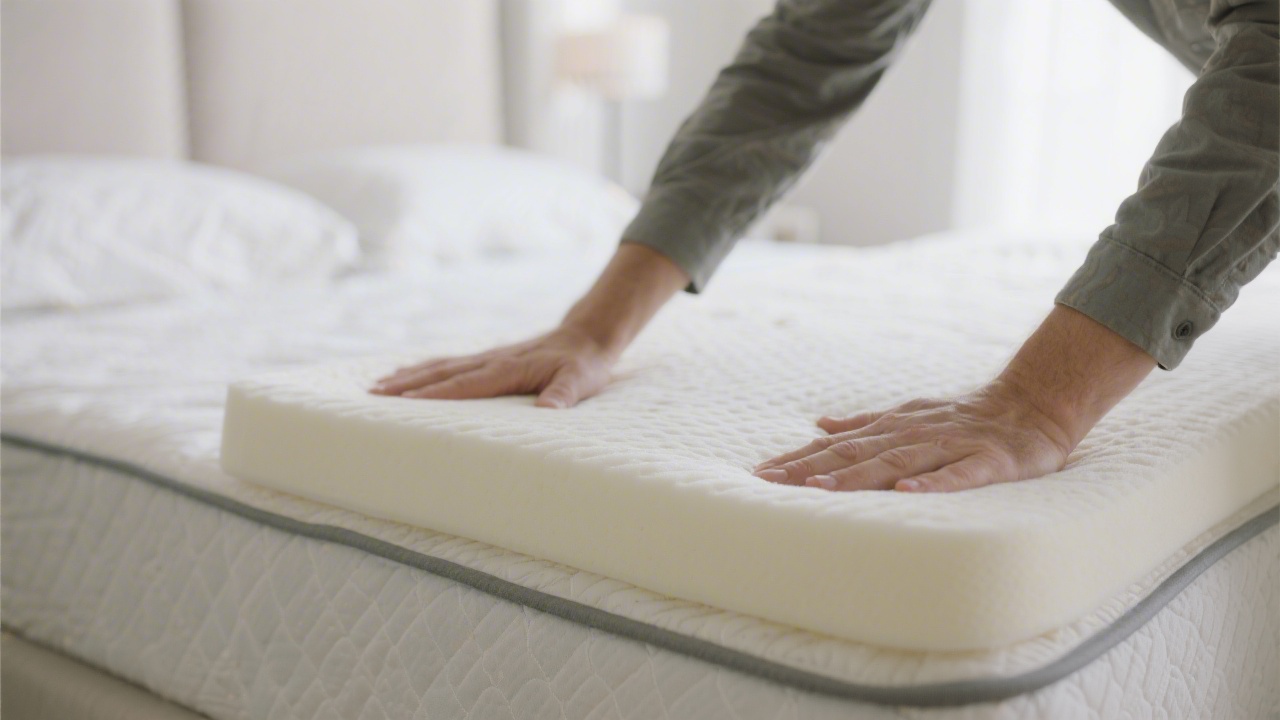
A 2-3 inch memory foam topper rated medium or plush immediately changes the surface feel. Memory foam is particularly effective for firm-mattress problems because it conforms to pressure points at shoulders and hips -- exactly where firm mattresses create discomfort for side sleepers.
What to look for: ILD 10-20 for a plush feel, ILD 20-30 for medium. Avoid latex toppers for this purpose -- even soft latex feels firmer than soft foam. A 3-inch topper provides more pressure relief than a 2-inch; the difference is meaningful for side sleepers.
2. Adjust Your Sleep Position
Effectiveness: Variable | Cost: $0
Mattress firmness requirements are directly tied to sleep position. A medium-firm mattress that's right for back and stomach sleepers is often too firm for side sleepers. The pressure points at the shoulder and hip are the issue, not the overall firmness level.
If you're a primary side sleeper on a firm mattress, try back sleeping for two weeks. Some people find they adjust; others find the firmness feel resolves with position change. If back sleeping with a firm mattress causes lower back discomfort, a rolled towel or thin pillow under the knees reduces lumbar pressure.
3. Allow Full Break-In Time
Effectiveness: 6/10 (if break-in is the issue) | Cost: $0
Sleep on the mattress -- specifically on it, not around it. Walk on the mattress in socked feet for 5 minutes each day for the first two weeks. The mechanical compression cycles speed up break-in. This is particularly effective for memory foam, which needs body heat and pressure cycles to soften.
Keep the room temperature warm during break-in. Memory foam that's too cold feels dramatically harder than at normal sleeping temperature (65-70 degrees F).
4. Use Your Trial Period Strategically
Effectiveness: 10/10 for getting the right mattress | Cost: $0
If after 60 days the mattress is still too firm and you've tried a topper without satisfactory results, you have the wrong firmness level. Most trial periods let you exchange for a different firmness (plush vs. firm) before a full return. Saatva allows a one-time comfort exchange within 365 nights.
See our guide on how to use your mattress trial period to maximize this option. Also see our what to do if your mattress isn't comfortable after 30 days guide for timing-specific advice.
Pain Patterns That Mean "Too Firm"
Specific pain patterns on a too-firm mattress are distinct from other mattress problems. Too-firm pain typically:
- Appears at shoulders and hips (pressure point areas), not lower back
- Is worse for side sleepers than back or stomach sleepers
- Improves immediately when you get up (unlike soft-mattress back pain, which lingers)
- Includes numbness or tingling in arms from restricted shoulder circulation
See our full waking up in pain guide to distinguish too-firm vs. too-soft vs. alignment problems.
Saatva Classic — Plush Soft
Our top-rated pick for balanced support and comfort. 365-night trial, free white-glove delivery, and a lifetime warranty.
Check Current Price & Trial →Our Top Mattress Pick
If you are looking for a mattress that addresses these concerns, the Saatva Classic is our most-recommended option. It combines excellent lumbar support with multiple firmness levels, a 365-night trial, and free white-glove delivery including old mattress removal.
Frequently Asked Questions
How long does it take for a firm mattress to soften?
Most mattresses soften noticeably in the first 30 days as materials break in. Memory foam can take up to 60 days. If the mattress is still uncomfortably firm at 60 days, it's not going to change significantly -- it's likely the wrong firmness for your sleep style.
What type of mattress topper makes a firm mattress softer?
Memory foam (3 inches, medium or plush) or soft Talalay latex are the two best options. Memory foam conforms to pressure points and relieves shoulder and hip pressure most effectively. Wool toppers add slight softness but less pressure relief.
Can sleep position change how firm a mattress feels?
Yes. Side sleepers need more pressure relief at shoulders and hips -- a firm mattress will feel much harsher for side sleepers than for back or stomach sleepers. If you've recently changed sleep position, the firmness issue may resolve with positioning adjustment.
Is it bad to sleep on a mattress that's too firm?
A mattress that's too firm for your sleep position creates pressure points at the shoulders and hips, restricts blood flow, and can cause you to wake up on your back even if you start as a side sleeper. Over time this can cause shoulder and hip pain.
How do I know if my mattress is too firm or just needs break-in time?
If the mattress is under 30 days old: wait. If it's 30-60 days and you're waking with shoulder or hip pain on the side you sleep on, it's too firm. Pain that appears with the mattress and was absent before is the clearest diagnostic signal.