
 by
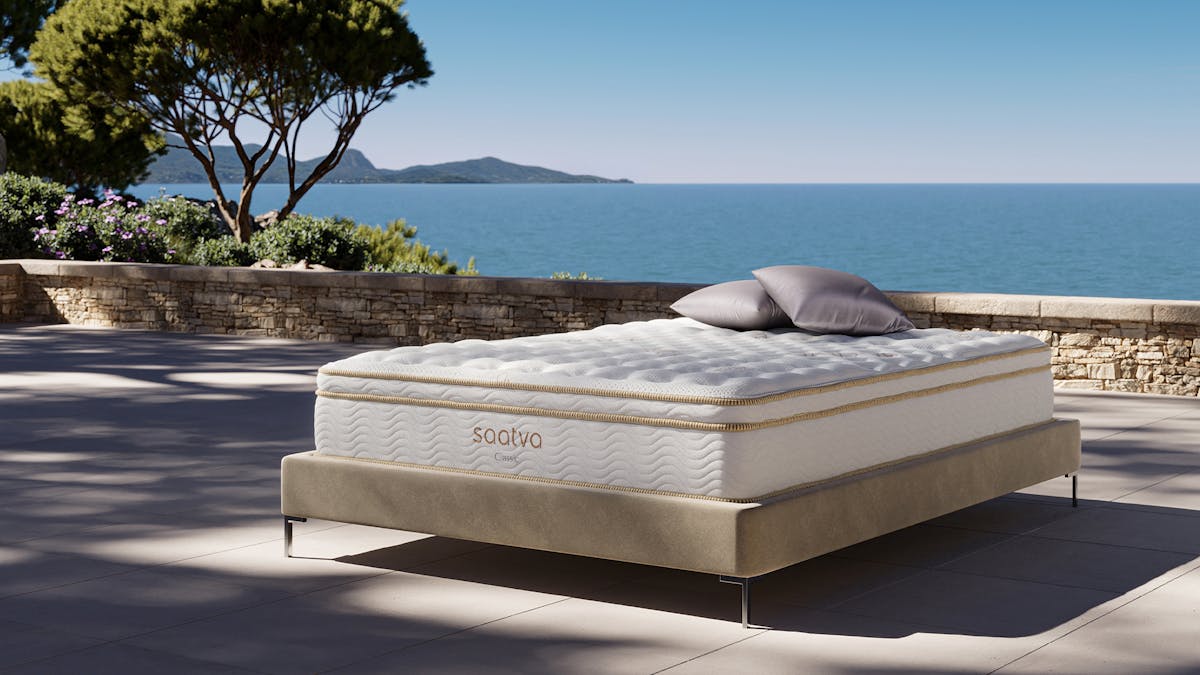
by If you wake up sore, numb, or exhausted after a full night, your mattress is probably too firm. The fix is a medium mattress that contours your pressure points without sacrificing support. Our top pick is the Saatva Classic: three firmness options (including a Plush Soft 4/10 built for pressure-point relief), dual-coil construction, free white-glove delivery, and a 365-night trial. The Amerisleep AS3 is the strongest all-foam alternative, with Bio-Pur pressure-relieving foam on a 100-night trial.
Saatva Classic
9.2/10
- Three firmness options, Plush Soft (4/10) directly addresses pressure-point pain from an over-firm surface
- Dual-coil construction with a zoned lumbar foam pad keeps the spine supported across all three feels
- Free white-glove delivery, setup, and old-mattress removal, no doorstep-drop logistics
- 365-night trial and lifetime warranty, the most generous package in its class
- Ships flat, not compressed, so delivery logistics differ from bed-in-a-box brands
- $99 return fee applies if you decide to return during the trial
For anyone switching off a mattress that is too firm, the Saatva Classic in Plush Soft eliminates the pressure-point problem at the hips and shoulders while the dual-coil core keeps the spine from collapsing, a balance that all-foam alternatives rarely match at this price. The three-way firmness menu also means you can start softer and move to Luxury Firm if needed.
7 warning signs your mattress is too firm
A mattress can feel supportive but still be actively harming your sleep quality. Firmness becomes a problem when it prevents your body's natural pressure points from sinking even slightly, forcing muscles and joints to work overtime all night. Here is what that looks like:
- Pressure-point pain at the shoulders, hips, or knees. These bony prominences carry the most contact force on a hard surface. Soreness that starts precisely at those spots and fades after you move around is a near-certain sign the bed is too firm for your sleeping position.
- Morning stiffness that eases within 30 to 60 minutes. Stiffness caused by a medical condition typically takes longer to improve with activity. Pain that disappears after a hot shower or a short walk almost always traces back to the sleep surface.
- Numbness or tingling in the arms or legs. An over-firm mattress restricts blood flow at high-contact areas, compressing superficial nerves. Pins-and-needles sensations on waking are a direct response to that compression.
- Excessive tossing and turning. The body shifts position to redistribute pressure when the mattress fails to relieve it. If your sleep tracker shows frequent movement or you find yourself waking to reposition, the surface is not doing its job.
- You feel the bed pushing back. A medium mattress should feel neutral under your body weight. A too-firm surface creates a noticeable upward pressure that keeps muscles slightly contracted rather than relaxed.
- Lower back pain that worsens overnight. On a surface that is too hard, the pelvis cannot sink enough for the lumbar spine to settle into its natural curve. The gap between your lower back and the mattress strains the posterior muscles and ligaments over hours.
- Fatigue despite adequate sleep hours. Continuous low-level muscle activation to compensate for pressure points raises cortisol overnight and interrupts deep-sleep cycles. You accumulate sleep hours but still wake exhausted.
Who a too-firm mattress hurts most
Not every sleeper responds to firmness the same way. A firm surface that works for a 220-pound stomach sleeper may be brutal for a 125-pound side sleeper. Three groups are disproportionately affected:
- Side sleepers. The shoulders and hips have to absorb nearly all contact force in this position. A medium to medium-soft surface (4 to 6 out of 10) is the research-backed range for side sleepers. Anything firmer compresses the shoulder joint and drives the spine out of alignment.
- Light sleepers under 130 lb. Lighter bodies do not generate enough pressure to engage the support core on a firm mattress, so they end up resting almost entirely on the hard upper layers.
- People with shoulder, hip, or joint pain. Pre-existing sensitivity at pressure points is amplified on a firm surface. The clinical recommendation for these groups consistently points toward medium or medium-soft firmness.
How firm should your mattress actually be?
The standard firmness scale runs from 1 (plush) to 10 (extra firm). Most independent testing shows that the 4 to 6 range, covering medium-soft to medium-firm, suits the largest range of sleepers for both comfort and spinal alignment:
| Mattress | Type | Firmness | Best for | Trial | Queen price |
|---|---|---|---|---|---|
| Saatva Classic | Innerspring hybrid | Plush Soft 4/10 | Pressure-point pain, side sleepers | 365 nights | ~$1,395 |
| Amerisleep AS3 | All-foam (Bio-Pur) | Medium 5/10 | All-foam feel, motion isolation | 100 nights | From $1,049 |
| Puffy Original | All-foam | Medium 6-7/10 | Pressure relief, combo sleepers | 101 nights | ~$1,499 |
| Helix Midnight | Hybrid | Medium 6/10 | Side and combo sleepers | 100 nights | ~$1,374 |
Amerisleep AS3
9.0/10
- Medium 5/10 firmness relieves the pressure-point pain caused by an over-firm bed
- Bio-Pur plant-based open-cell foam cradles shoulders and hips without creating a hammock sink
- HIVE 5-zone layer firms specifically under the lumbar so your spine stays neutral
- Outstanding motion isolation and CertiPUR-US certified
- Softer perimeter than a coil hybrid
- Sleepers over 230 lb may want the AS5 Hybrid for more support
For anyone leaving a mattress that was too hard, the AS3 lands exactly at the medium sweet spot, relieving pressure at the hips, shoulders, and knees without sending you into deep-sink territory.
Puffy
8.6/10
- Responsive foam construction reduces pressure buildup at hips and shoulders
- Good motion isolation for couples
- Lifetime warranty coverage
- Can sleep warm for hot sleepers
- Shorter trial than Saatva or Amerisleep
A solid middle-ground option if you want foam pressure relief with a shorter price commitment. Works particularly well for side sleepers who find most mattresses too firm.
Quick fixes before replacing your mattress
If your mattress is relatively new, or the budget for a full replacement is not immediate, several adjustments can reduce firmness meaningfully:
- Add a memory foam or latex topper. A 2 to 3-inch soft topper is the most effective short-term fix. Latex provides more bounce, memory foam provides deeper contouring at pressure points.
- Check your foundation. A rigid box spring or closely spaced slats (under 3 inches apart) can make even a medium mattress feel significantly harder. A slatted base with flexible slats spaced 3 inches apart adds a small amount of give.
- Give a new mattress 30 days. New mattresses, especially those shipped compressed, can feel firmer than their rated firmness during the first two to three weeks. Most manufacturers require a 30-night break-in period before accepting a return.
- Rotate the mattress. Uneven compression from always sleeping in the same spot can make one area harder than the rest. Rotating 180 degrees every three months redistributes wear.
When to replace rather than fix
A topper solves a firmness mismatch, not a structural failure. Replace the mattress rather than patch it if:
- It is over 7 to 8 years old and showing visible sagging or indentations deeper than 1 to 1.5 inches
- Pain persists after trying a 3-inch topper for 60 days
- The firmness was never right from night one, suggesting a permanent mismatch with your body type or sleep position
A too-firm mattress creates real, measurable costs in sleep quality and morning pain. Moving to a medium or medium-soft feel (4 to 6/10) resolves most pressure-point symptoms. The Saatva Classic is our top pick with three firmness options and a 365-night trial; the Amerisleep AS3 is the best all-foam alternative on a 100-night trial.
Frequently asked questions
Can a firm mattress cause body aches?
Yes. An over-firm surface concentrates contact force at pressure points (shoulders, hips, knees) instead of distributing it, resulting in soreness, stiffness, and fatigue that are worse on waking than on going to bed.
Can a too-firm mattress cause back pain?
It can, particularly for side sleepers and lighter individuals. A hard surface prevents the hips and shoulders from sinking, which tilts the pelvis and strains the lumbar muscles over hours of contact.
How do you tell if your mattress is too firm?
The clearest signs are pressure-point pain at the hips or shoulders that fades within an hour of getting up, numbness or tingling in the limbs on waking, and persistent tossing and turning. If symptoms disappear after sleeping elsewhere, your mattress is the cause.
Why does a new mattress feel too firm at first?
Materials in a new compressed mattress need time to decompress and break in. Most all-foam and hybrid beds feel 0.5 to 1 firmness point harder than their rated score during the first two to four weeks. Give it 30 days before making a return decision.
Can you get used to a firm mattress?
The mattress will soften slightly with use, but your body does not meaningfully adapt to a surface that is causing pressure damage. If you are experiencing symptoms after four to six weeks, the firmness is a genuine mismatch, not an adjustment period.
Saatva Classic
9.2/10
Three firmness options including Plush Soft (4/10) for confirmed pressure-point sufferers, dual-coil construction for real spinal support, free white-glove delivery, 365-night trial, lifetime warranty. The most complete answer to a too-firm mattress for the majority of sleepers.