
 by
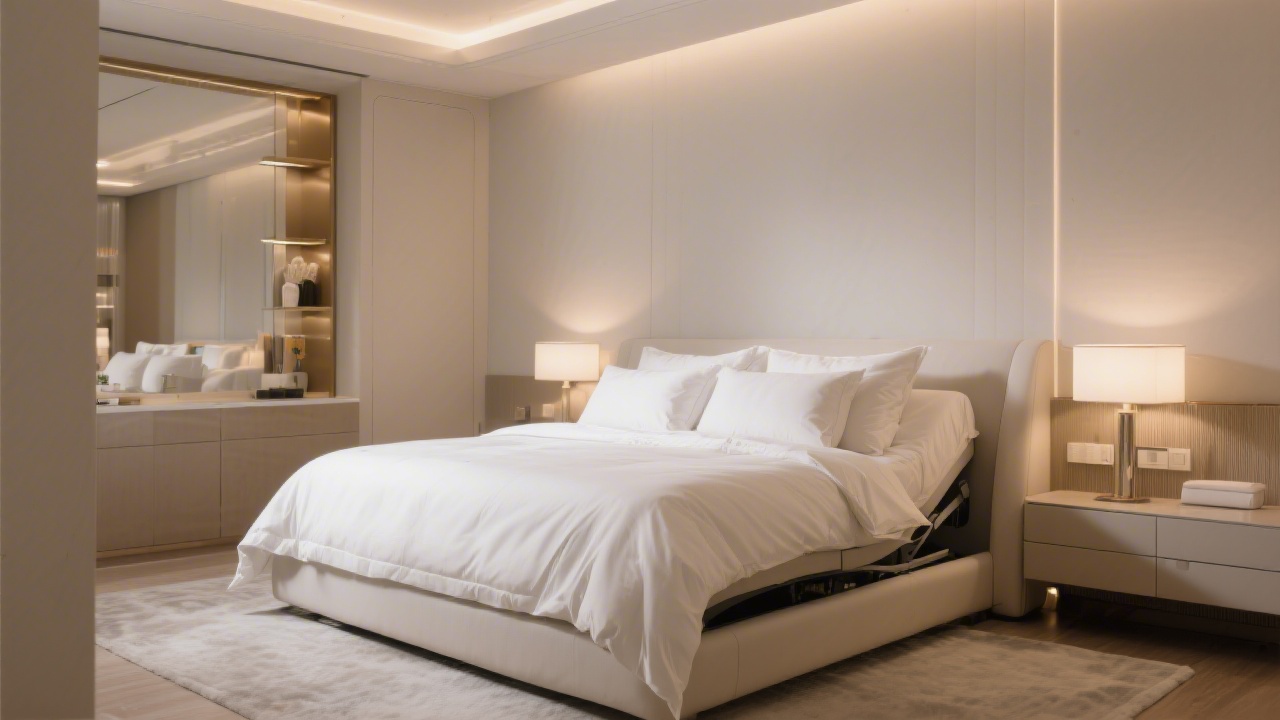
by The mattress industry increasingly sells "sleep systems" — mattress plus adjustable base plus accessories — as a bundled premium upgrade. Before committing to the full system, it is worth understanding the actual value contribution of each component.
Our Top Recommendation
The Saatva Classic earns its place at the top because it combines genuine quality construction with white-glove delivery and a 365-night home trial — removing the biggest risk from online mattress buying.
Saatva Classic — Excellent Standalone + Pairs With Any Base →
What Is a Sleep System?
A sleep system typically includes:
- Mattress: The primary sleep surface (innerspring, foam, hybrid, latex)
- Foundation or adjustable base: The support structure beneath the mattress
- Pillows: Head and neck support
- Sheets and bedding: Temperature regulation layer
- Accessories: Mattress protector, mattress topper, sleep tracking devices
Total cost for a premium sleep system can reach $5,000–$8,000. The question is: how much of that total delivers meaningful sleep improvement?
Pros and Cons
What We Like
- Luxury innerspring with excellent lumbar support
- Multiple firmness options available
- Free white-glove delivery and mattress removal
- 365-night trial and lifetime warranty
What Could Be Better
- Higher price than many online brands
- Heavier than foam mattresses
- Not compressed in a box
- Some off-gassing possible initially
Component Analysis: Marginal Value Per Dollar
Mattress: Highest ROI, Non-Negotiable Foundation
The mattress is the single component with the highest marginal sleep quality impact. Every other component in the system depends on the mattress being correct. A poor mattress cannot be fixed by premium accessories.
Investment allocation: Spend here first. Budget 60–70% of your total sleep system budget on the mattress.
Sweet spot: $1,400–$2,000 for a queen. Below this, construction quality drops significantly.
Adjustable Base: High Value for Specific Conditions
An adjustable base earns its cost if you have acid reflux, snoring, sleep apnea, or lower back pain. Head elevation (15–45 degrees) has clinical support for reducing symptoms of these conditions.
For sleepers without these conditions, an adjustable base is a comfort feature — reading position, watching TV in bed, zero-gravity preset. Not a sleep quality driver.
Investment decision: Buy if you have acid reflux, snoring, or back pain. Skip if you sleep without these issues and want to allocate budget to the mattress instead.
Cost range: $300 (basic) to $2,000 (split king with massage, under-bed lighting, app control).
Pillows: High Value for Neck Pain, Moderate Otherwise
Pillow selection is critical if you have neck pain or specific position requirements. The correct pillow loft for your shoulder width and sleep position prevents cervical strain that partially offsets a good mattress investment.
See our guide to choosing the right best pillows by sleep position.
Investment allocation: $80–$150 for a quality pillow matched to your sleep position. This delivers high value relative to cost.
Sheets: High Value for Hot Sleepers, Low Otherwise
Premium sheets improve temperature regulation measurably if you sleep hot. Percale cotton and bamboo rayon wick moisture and breathe better than polyester blends.
For neutral or cold sleepers, the upgrade from mid-range to premium sheets has minimal functional impact on sleep quality. It affects comfort and feel but not sleep architecture.
Investment allocation: $100–$200 for quality percale or bamboo sheets if you sleep hot. Standard cotton is adequate for neutral sleepers.
Mattress Protector: Low Cost, High Protection Value
A waterproof mattress protector is a low-cost investment ($40–$80) that protects a $1,500+ mattress from spills, sweat, and allergens. It also maintains warranty validity on most brands. This is a straightforward yes — the cost-to-protection ratio is unmatched in the system.
Mattress Topper: Limited Value, Situational Use
Toppers add softness, not support. They wear faster than mattresses and compress within 1–2 years of regular use. A topper is appropriate when your mattress is structurally sound but slightly too firm — not as a primary sleep surface upgrade.
Recommended Allocation: $3,000 Sleep System Budget
| Component | Recommended Spend | Priority |
|---|---|---|
| Mattress | $1,595 (Saatva Classic) | 1 — Non-negotiable |
| Adjustable Base | $600–$800 (if needed) | 2 — Conditional |
| Pillow(s) | $80–$150 | 2 — Always |
| Sheets | $100–$200 | 3 — Hot sleepers only |
| Mattress Protector | $40–$80 | 1 — Always |
The Saatva System Advantage
Saatva sells both the Classic mattress and an adjustable base designed to pair with it. The combination works well because the dual-coil construction is flexible enough for articulation without the coil damage that occurs with rigid-coil mattresses on adjustable bases.
Our Top Recommendation
The Saatva Classic earns its place at the top because it combines genuine quality construction with white-glove delivery and a 365-night home trial — removing the biggest risk from online mattress buying.
Frequently Asked Questions
Does an adjustable base improve sleep quality?
For specific conditions yes — acid reflux, snoring, lower back pain, and sleep apnea all respond well to head elevation (15–45 degrees). For sleepers without these conditions, adjustable bases are primarily a comfort feature, not a sleep quality driver. The marginal value depends heavily on whether you have a condition that benefits from elevation.
Are premium sheets worth the cost?
For temperature regulation, yes — if you sleep hot. High-thread-count percale cotton or bamboo rayon sheets provide measurably better moisture wicking than polyester blends. The improvement is most noticeable for hot sleepers. For neutral or cold sleepers, the upgrade has minimal functional benefit.
How much does a pillow affect sleep quality?
Significantly for neck pain sufferers; moderately for everyone else. Pillow height (loft) must match your shoulder width and sleep position. Side sleepers need higher loft; stomach sleepers need thin or no pillow. An incorrect pillow can partially offset a good mattress investment.
Is a mattress topper a good investment?
A topper is a workaround, not a solution. If your mattress is uncomfortable because it is too firm, a topper can add temporary softness. But it does not add support, and it wears faster than the mattress. A topper makes sense when your mattress is structurally sound but slightly firmer than preferred.
In what order should I upgrade sleep components?
Mattress first, always — it is the load-bearing element of sleep quality. Then pillow (specific to your sleep position). Then sheets if you sleep hot. Then base if you have acid reflux, snoring, or back pain. Accessories and toppers last.
The Verdict
Choose Mattress if: You value what Mattress offers in construction, materials, and sleep technology.
Choose Complete Sleep System if: You prefer Complete Sleep System's design philosophy and material choices. Compare pricing and trial periods.
Both serve different sleep needs. Choose based on your body type, sleep position, and comfort preferences.