
 by
by Mattress warranty claims are rejected more often than most consumers expect. The most common reason is not because the mattress is undamaged - it is because the documentation required to substantiate the claim was not properly gathered. This guide covers exactly what documentation you need, how to measure and photograph damage correctly, and the specific claim process for major brands including Saatva, Casper, Nectar, Purple, and Tempur-Pedic.
Our Top Pick
Saatva Classic comes with a 15-year warranty and a claim process that is straightforward compared to most competitors - no complex documentation requirements.
Affiliate disclosure: We earn a commission at no extra cost to you.
What Mattress Warranties Actually Cover
Understanding what is and is not covered prevents the most common cause of claim rejection: claiming the wrong type of defect.
Sleep Lab Alternative Picks
- Amerisleep AS3 ($1,449 sale) — Bio-Pur foam + HIVE zoning, 20-yr warranty
- PlushBeds Botanical Bliss ($2,999+) — organic latex, 25-yr warranty
- Puffy Lux ($1,950) — memory foam, lifetime warranty
- SweetNight Twilight ($209 budget) — CertiPUR-US foam
Typically covered:
- Body impressions deeper than the warranty threshold (usually 0.75 to 1.5 inches depending on brand)
- Coil failure (broken or protruding springs)
- Foam core cracking or splitting
- Cover seam defects
- Physical distortion not caused by user
Typically not covered:
- Normal comfort changes and softening (this is the most contested exclusion)
- Stains (even minor staining can void the entire warranty on many brands)
- Damage from improper base or foundation
- Impressions below the threshold
- Damage from physical abuse
The stain exclusion is one of the most consequential warranty terms. A single small stain gives the manufacturer grounds to deny any unrelated claim. This is why a waterproof mattress protector is a warranty protection strategy, not just a cleanliness measure.
Documenting Your Claim: What Brands Require
Impression Measurement
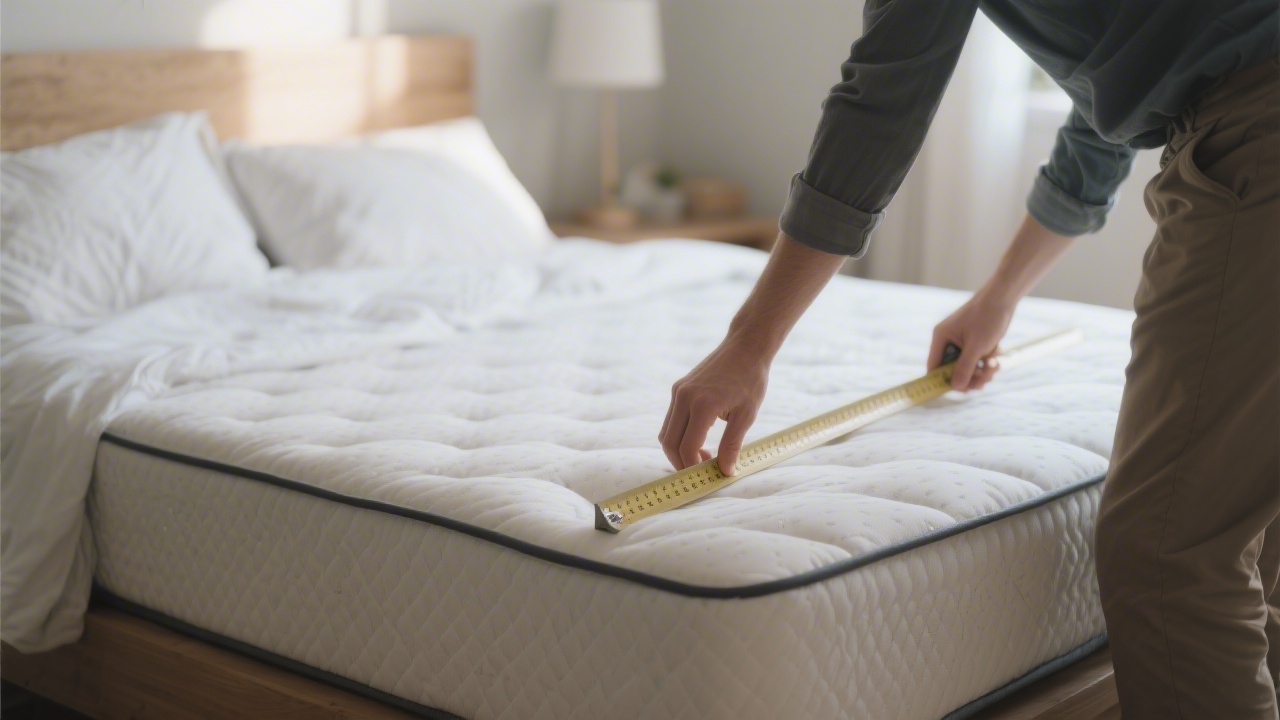
Place a straight edge (a rigid ruler, level, or straight piece of wood) across the mattress spanning the suspected sag area. Measure the distance from the underside of the straight edge down to the deepest point of the impression. Most brands require a minimum of 0.75 to 1.5 inches.
Photograph this measurement with the ruler or level visible and the measurement tool in the photo. Take multiple photos from different angles. A single photograph can be questioned; five cannot.
Photographs Required (Standard Set)
- Full mattress top view from a standing position (not at an angle)
- Close-up of the impression area with measurement tool visible
- Both long sides of the mattress showing the full height
- The foundation or base the mattress rests on (brands use this to validate proper support)
- The law tag - the white tag attached to the mattress listing model number and manufacture date. Do not remove this tag. Missing law tags frequently result in claim denial.
Documentation You Need Readily Available
- Original purchase receipt or order confirmation showing purchase date, model, and price
- Retailer name (if not bought direct)
- Your home address at time of purchase (some brands tie warranty to original purchaser and address)
Brand-Specific Claim Processes
Saatva
Warranty period: 15 years (non-prorated for the full term). Contact: saatva.com/contact. Saatva's claim process is handled through their customer service team directly and is generally regarded as more straightforward than most online-first brands. They do not require a third-party inspector. Threshold: 1 inch for sagging.
Casper
Warranty period: 10 years limited. Contact: casper.com/help. Claim via online form; Casper may request photos via email after initial submission. They use the standard impression measurement protocol. Threshold: 1.5 inches of sagging.
Nectar
Warranty period: Lifetime (Forever Warranty). Contact: nectarsleep.com/pages/contact. Nectar's lifetime warranty is a marketing feature - it is transferable only to the original purchaser, and the claim process follows the standard impression threshold of 1.5 inches. Some users report longer response times than direct-to-consumer brands.
Purple
Warranty period: 10 years. Contact: purple.com/help. Purple's grid layer has a different failure mode than foam - look for visible cracks, splits, or areas where the grid has broken down rather than traditional sag. The same impression measurement applies to comfort layer failure.
Tempur-Pedic
Warranty period: 10 years (prorated after year 1). Contact: tempurpedic.com/customer-service. Tempur-Pedic is known for rigorous documentation requirements. They may send an independent inspector for high-value claims. Threshold: 0.75 inches, the most consumer-favorable threshold of any major brand.
When Claims Are Denied
If your initial claim is denied, request a specific written explanation of the denial reason. Common grounds for appeal:
- Measurement methodology questioned: provide additional photos with a different measuring tool
- Stain cited as disqualifying: if the stain is minor and unrelated to the defect, argue this directly in writing
- Foundation requirements: if the denial cites improper foundation, provide evidence of your base specifications meeting their requirements
If the claim is denied and you believe you have a valid warranty case, you can escalate to the state attorney general's consumer protection division. Mattress companies take these complaints seriously because they trigger investigation into warranty compliance.
Internal Links
- How Long Different Mattresses Last by Type
- Mattress Return Policies Compared 2026
- How to Rotate a Mattress to Extend Its Life
- Saatva Classic Review
Our Top Pick
Saatva Classic - 15-year warranty, white-glove delivery, and a claim process with a genuine support team behind it.
Affiliate disclosure: We earn a commission at no extra cost to you.
Frequently Asked Questions
Do I need to keep my original receipt to make a warranty claim?
Yes, in almost all cases. Proof of purchase establishes the purchase date, which determines whether you are within the warranty period. If you bought through a retailer (Amazon, Macy's, Costco), the order history in your account is typically accepted in lieu of a physical receipt.
What happens if my mattress has a small stain but the sag is unrelated?
Many warranties contain language voiding coverage for any stain, regardless of whether the stain caused the claimed defect. This is legally questionable and you can challenge it in writing, but the brand may still deny the claim initially. Using a waterproof protector from day one eliminates this risk entirely.
How long does the warranty claim process take?
Most brands aim to resolve claims within 30 days of receiving complete documentation. Claims that require additional investigation or inspector visits can take 60-90 days. Start documenting and filing as soon as you notice the defect - delays do not benefit you and some brands have informal response time norms.
Can I transfer my mattress warranty if I sell or give the mattress away?
Most mattress warranties are non-transferable. They cover the original purchaser only. A few brands (Casper, for example) allow transfer to a family member in the same household, but these are exceptions. Check your specific warranty documentation for transfer terms.
My warranty claim was approved. What happens next?
Depending on the brand and warranty stage, you will receive either a replacement mattress or a prorated credit toward a new mattress. Full non-prorated warranties (like Saatva's) provide a replacement. Prorated warranties give you a credit worth a decreasing percentage of the original price - in years 8-10 of a 10-year prorated warranty, the credit may be under 20% of original price.