
 by
by Mattress Weight Distribution: How Your Body Weight Affects Support is one of the most common questions we get from readers. In this guide, we break down everything you need to know to make an informed decision.
Why Body Weight Changes Everything About Mattress Feel
Mattress firmness ratings are meaningless without body weight context. A mattress rated "medium firm" by a 150 lb tester will feel significantly firmer to a 220 lb sleeper and noticeably softer to a 130 lb sleeper. This is not a flaw in the rating system — it reflects the physics of how weight distributes across a surface under compression.
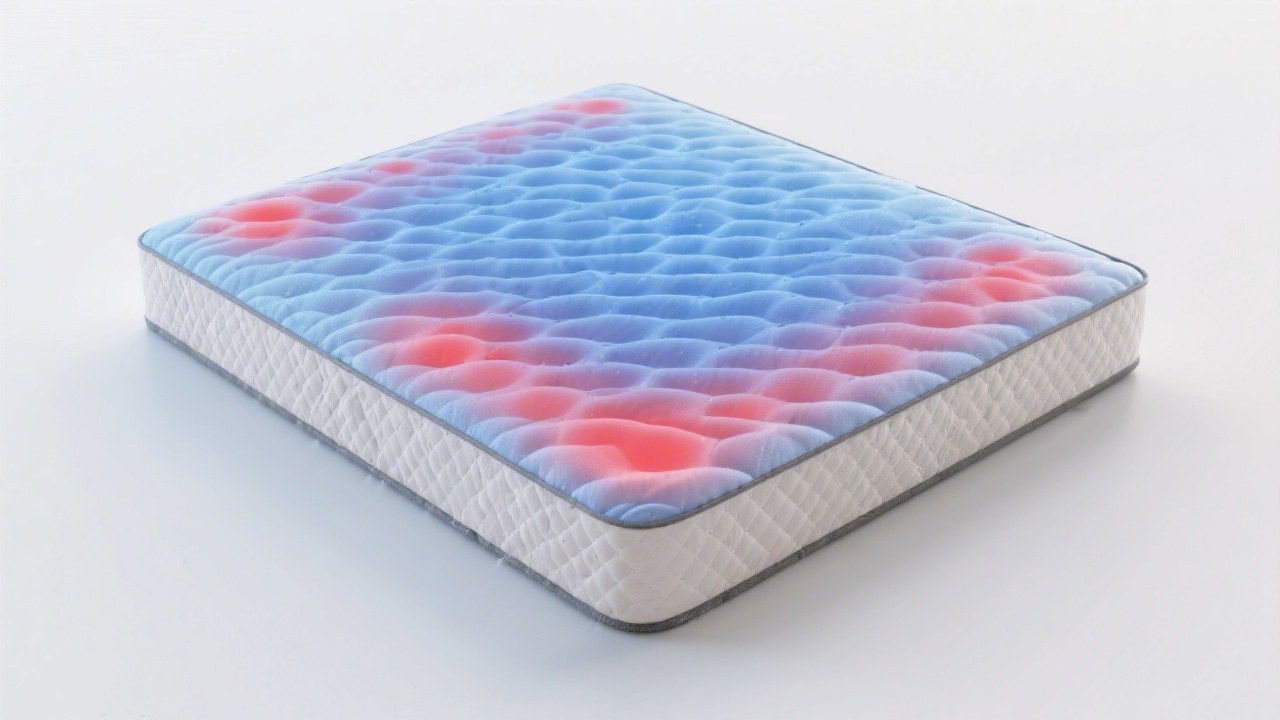
When you lie on a mattress, your body weight creates a pressure field across the contact surface. The pressure is not uniform. For a side sleeper, the shoulder and hip create peak pressure zones — typically 2 to 4 times higher than the pressure at the lower back or knee. For a back sleeper, the lumbar region and heels carry the highest load.
Heavier bodies compress comfort layers more deeply, reaching the firmer support core faster. This reduces the effective "buffer" between the sleeper and the base, making the mattress feel firmer than the same model tested by a lighter person.
Pressure Distribution by Sleep Position and Weight
Side sleepers under 150 lbs: Shoulder and hip pressure points are moderate. Medium-soft to medium firmness (4-6 on a 10-point scale) typically provides adequate pressure relief without excessive sinkage. A 3-inch comfort layer is usually sufficient.
Side sleepers 150-220 lbs: The classic "medium" range. Most mattress ratings are calibrated for this demographic. Medium to medium-firm (5-7) typically works well. Look for at least 3 inches of quality foam or latex in the comfort layer.
Side sleepers over 220 lbs: Higher body mass compresses comfort layers more aggressively. Soft mattresses often bottom out, causing hip and shoulder to reach the firm support core with insufficient cushioning. Medium-firm to firm (6-8) with a 4+ inch comfort layer is recommended. Coil gauge matters: 13-14 gauge coils for heavier sleepers, not the standard 15-16 gauge.
Back and stomach sleepers across all weights: These positions distribute weight more evenly, reducing peak pressure points. However, heavier back sleepers are more vulnerable to lumbar sinkage — when the midsection sinks deeper than the shoulders and hips, creating a hammock effect that strains the lower back. Firmer mattresses prevent this.
The Comfort Layer Depth Equation
A useful rule: divide your body weight by 50. The result approximates the minimum comfort layer depth (in inches) you need before hitting the support core. A 200 lb person benefits from at least 4 inches; a 250 lb person benefits from 5 inches.
This is why all-foam mattresses under 10 inches total height often underperform for heavier sleepers — insufficient depth means the comfort layer compresses fully and the sleeper is essentially lying on the support base.
Hybrid mattresses solve this differently. The pocketed coil system provides dynamic support that adjusts to weight without bottoming out. The Saatva Classic uses a dual coil architecture — lumbar zone enhancement in the center third of the mattress specifically counteracts the increased lumbar load that heavier back sleepers experience.
For comparison data across body types, see how different hybrid designs perform in our DreamCloud vs WinkBeds review and Casper vs Helix comparison. Both cover weight-specific performance at 150 lbs, 200 lbs, and 250 lbs test points.
Firmness Selection by Weight: A Practical Guide
Under 130 lbs: Consider going one level softer than your instinct. Lightweight sleepers often don't compress mattresses enough to access the intended feel — a "medium firm" may feel closer to firm.
130-200 lbs: Standard firmness ratings apply reasonably well. Use your primary sleep position as the main variable.
200-250 lbs: Consider going one level firmer than standard recommendations. If you sleep on your side, prioritize comfort layer depth over raw firmness number.
Over 250 lbs: Look specifically for mattresses engineered for higher weight capacity — reinforced edge support, heavier gauge coils, high-density foam base (at least 1.8 lb/cubic foot). See our guide on sleep and muscle recovery which covers mattress compression and body mechanics in detail.
Frequently Asked Questions
Does a heavier person need a firmer mattress?
Generally yes, but with nuance. Heavier sleepers compress comfort layers more deeply, so a "medium firm" mattress may feel medium-soft to them. The goal is finding a firmness where the comfort layer provides pressure relief without fully compressing to the support core during normal sleep positions.
What is the weight limit on most mattresses?
Most standard mattresses are designed for sleepers up to 250 lbs per side (500 lbs total for a queen or king). Above this threshold, look for mattresses specifically engineered for higher weight capacity with reinforced coil gauges (13-14 gauge vs standard 15-16) and high-density polyfoam bases.
Can two people with very different weights sleep comfortably on the same mattress?
Yes, with the right design. Pocketed coil mattresses with zone-differentiated support (firmer in the center, softer at the shoulders) can accommodate couples with significant weight differences better than uniform coil or all-foam designs.
How does weight affect mattress edge support?
Heavier sleepers put more stress on mattress edges when getting in or out of bed. Foam-encased perimeters hold up better than wire rod borders. If you regularly sit on the mattress edge (common for side-of-bed dressers), look for mattresses with reinforced foam rail systems around the full perimeter.
Does body weight affect how quickly a mattress sags?
Yes, significantly. Heavier sleepers accelerate comfort layer compression and coil fatigue. A mattress that lasts 10 years for a 150 lb sleeper may show meaningful sag after 6-7 years under a 250 lb sleeper. Higher-density foams (1.8+ lb/cubic foot for polyfoam, 5 lb/cubic foot for memory foam) resist compression-set better over time.
Our Top Mattress Pick
The Saatva Classic consistently ranks #1 for comfort, support, and long-term durability.
Key Takeaways
Mattress Weight Distribution is a topic that depends heavily on individual needs and preferences. The most important thing is to consider your specific situation — your body type, sleep position, and personal comfort preferences — before making any decisions. When in doubt, take advantage of trial periods to test before committing.