
 by
by Recommended
Saatva Organic Mattress Pad — Stop Yellowing Before It Starts
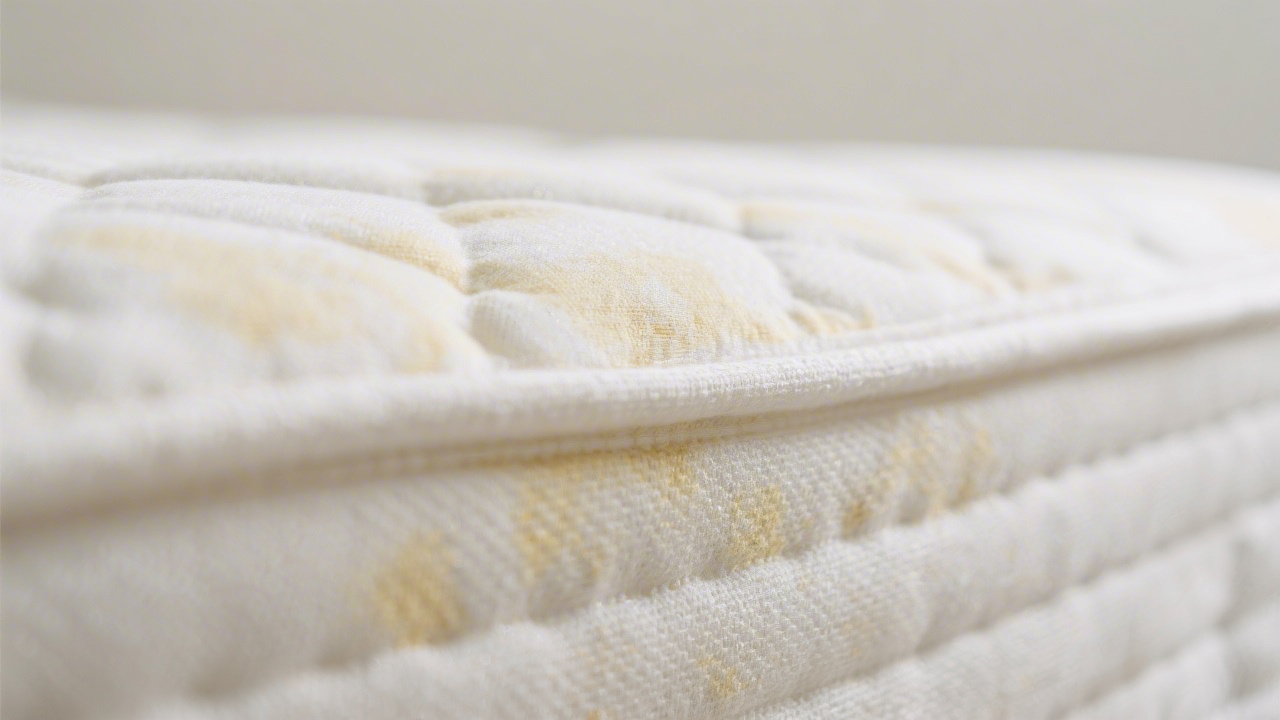
Mattress yellowing is one of the most common and most misunderstood mattress issues. It's nearly inevitable to some degree — but its rate of progression is entirely controllable. Here's what causes yellowing, whether it signals a problem, and how to slow it significantly.
The 3 Causes of Mattress Yellowing
Cause 1: Sweat and Body Oils (Most Common)
The average person loses 0.5–1 liter of moisture through sweat each night. Combined with body oils and skin cells, this fluid penetrates mattress materials nightly. Over weeks and months, these organic compounds oxidize in the foam and cover fabric, producing a characteristic yellow-brown discoloration.
This is the dominant cause of yellowing in most mattresses, especially in the torso area where body contact is most concentrated and sweat production is highest.
Cause 2: Foam Oxidation
Memory foam and polyfoam contain chemical compounds that naturally yellow when exposed to air and light — similar to how old plastic yellows over time. This process is entirely normal and doesn't indicate defect or accelerated aging. Foam manufacturers refer to this as "oxidation" and explicitly exclude it from warranty coverage.
Foam oxidation produces a more uniform yellowing across the surface rather than the concentrated patterns of sweat-based yellowing. It occurs even on protected mattresses and is gradual over years.
Cause 3: Moisture from Other Sources
Humidity from the room, moisture trapped under waterproof covers without proper airing, or spills that aren't completely dried can all contribute to yellowing. High-humidity environments accelerate both foam oxidation and the discoloration of organic materials in the mattress.
Is Yellowing a Warranty Issue?
Typically, no — for two reasons. First, foam oxidation yellowing is almost universally excluded from warranty coverage as a normal characteristic. Second, sweat-based staining may be used by manufacturers as grounds to deny other warranty claims. A visibly stained mattress can lose warranty coverage regardless of the defect you're claiming.
See our guide on what voids a mattress warranty for the full list of coverage exclusions.
Can Yellowing Be Fixed?
Surface yellowing from sweat can be significantly lightened. Deep or long-standing yellowing is difficult to fully reverse.
For surface sweat stains:
- Mix 1 part dish soap, 2 parts hydrogen peroxide, 1 tbsp baking soda
- Apply to stained area with a cloth (use minimal liquid)
- Allow to sit 20–30 minutes
- Blot dry with clean cloth (do not rub)
- Allow to dry completely before covering (8–12 hours)
For foam oxidation yellowing: This cannot be reversed. It's a chemical change in the foam material. A mattress topper will visually cover it without addressing the underlying process.
How to Prevent Yellowing
Yellowing prevention is far more effective than treatment:
- Waterproof mattress protector: The single most effective intervention. Prevents sweat-based yellowing entirely. See our guide on whether a mattress protector is worth it.
- Monthly airing: Strip bedding once a month for 2–4 hours to allow moisture dissipation. This slows foam oxidation and prevents moisture accumulation.
- Rotation: Distributes sweat exposure more evenly across the mattress surface, slowing concentrated staining. See our rotation schedule guide.
- Humidity control: In very humid climates, use a bedroom dehumidifier to reduce ambient moisture that accelerates oxidation.
When Is Yellowing a Sign of a Bigger Problem?
Yellow is normal. Blue-green, black, or spotted discoloration is mold — a different and more serious issue that requires professional treatment or mattress replacement. A musty smell accompanying discoloration is a reliable mold indicator. Mold growth in a mattress cannot be fully remediated and typically warrants replacement.
The Saatva Organic Mattress Pad creates a complete moisture barrier that prevents sweat and body oils from ever reaching the mattress surface. Starting this from day one essentially eliminates sweat-based yellowing — the primary cause.
Recommended
Saatva Organic Mattress Pad — Stop Yellowing Before It Starts
Frequently Asked Questions
Is a yellow mattress dangerous to sleep on?
Yellowing from sweat and body oils is generally not hazardous unless accompanied by mold (which has a musty smell and visible discoloration in blue, green, or black tones). Oxidation yellowing is purely cosmetic. Sweat-based yellowing can harbor dust mites and bacteria but at levels typical of any used mattress.
Can I bleach a yellow mattress?
No. Bleach damages foam and mattress cover fibers and can void your warranty. It also doesn't address the underlying cause. Hydrogen peroxide (3%) is a safer whitening option for surface stains, but it won't reverse yellowing caused by foam oxidation.
Does a mattress topper hide yellowing?
Yes, but it doesn't reverse the underlying process. A topper will also eventually yellow for the same reasons. Addressing the cause with a waterproof protector is the correct solution.
How do I remove yellow stains from a mattress?
For sweat-based yellow stains: mix 1 part dish soap, 2 parts hydrogen peroxide, and 1 tablespoon baking soda. Apply with a cloth, let sit 20 minutes, blot dry. This lightens stains significantly but may not fully remove deep or old staining.
Why did my new mattress yellow so quickly?
Foam oxidation begins within weeks of exposure to air and body contact. If you're seeing yellowing within months, it's likely sweat-based yellowing accelerated by lack of a protector. A high-sweat sleeper without a protector can see noticeable yellowing within 3–6 months.
Our Top Mattress Pick
The Saatva Classic consistently ranks #1 for comfort, support, and long-term durability.